The two-week clock on the U.S.-Iran ceasefire is ticking toward zero with the clinical indifference of a countdown on a missile battery. Despite optimistic whispers from the White House, the reality on the ground in Islamabad and the waters of the Persian Gulf suggests that diplomacy has not just stalled—it has been hollowed out from the inside. Tehran is currently refusing to send negotiators for the high-stakes second phase of talks, citing American "violations" that Washington dismisses as routine maritime security.
This is not a mere diplomatic hiccup. It is the sound of the trap snapping shut.
The April 7 ceasefire, brokered by Pakistan in a frantic midnight session, was supposed to be a cooling-off period after months of direct kinetic strikes. President Trump’s administration demanded an "open, free, and clear" Strait of Hormuz as a prerequisite for lifting the threat of total destruction. However, the Iranian leadership sees the continued U.S. naval presence and the recent seizure of an Iranian container ship as a breach of the truce’s spirit. For the IRGC, the ceasefire was never about peace; it was about buying time to assess the damage from the February strikes and hide what remains of their nuclear hardware.
The Pakistan Pipeline is Leaking
Pakistan finds itself in the unenviable position of being the postman for two parties that have forgotten how to speak without shouting. While Prime Minister Shehbaz Sharif hoped to facilitate a "permanent settlement," the two-phase structure of the agreement is fundamentally flawed. Phase one was a temporary halt. Phase two requires Iran to walk into a room and discuss the "unconditional surrender" of its nuclear ambitions—a demand Trump has made clear on Truth Social.
Tehran’s counter-proposal is a ten-point plan that reads like a wish list rather than a negotiation strategy. They want a total withdrawal of U.S. forces from the region and the lifting of all sanctions before a single centrifuge stops spinning. It is a classic Iranian gambit: demand the impossible to see if the other side will settle for the improbable. But this time, the "other side" isn't looking for a compromise.
A Nuclear Program in the Shadows
The primary driver of this conflict remains the ambiguity of Iran's nuclear breakout time. Following the joint U.S.-Israeli strikes in February, the White House claimed the program was "obliterated." Satellites tell a different story. While the Fordow and Natanz sites took heavy hits, intelligence suggests a covert team of scientists is operating out of mobile labs and hardened deep-mountain facilities the bunker-busters couldn't reach.
The IAEA is flying blind. Director General Rafael Grossi’s recent reports indicate that Iran is providing access to less than half of its declared facilities. The "IFEP" enrichment site—a facility Iran only admitted to after the first round of strikes—remains a black box. If Iran cannot verify that it has stopped enriching uranium to 60%, the U.S. has little incentive to keep the B-52s on the tarmac.
The Chokepoint Calculation
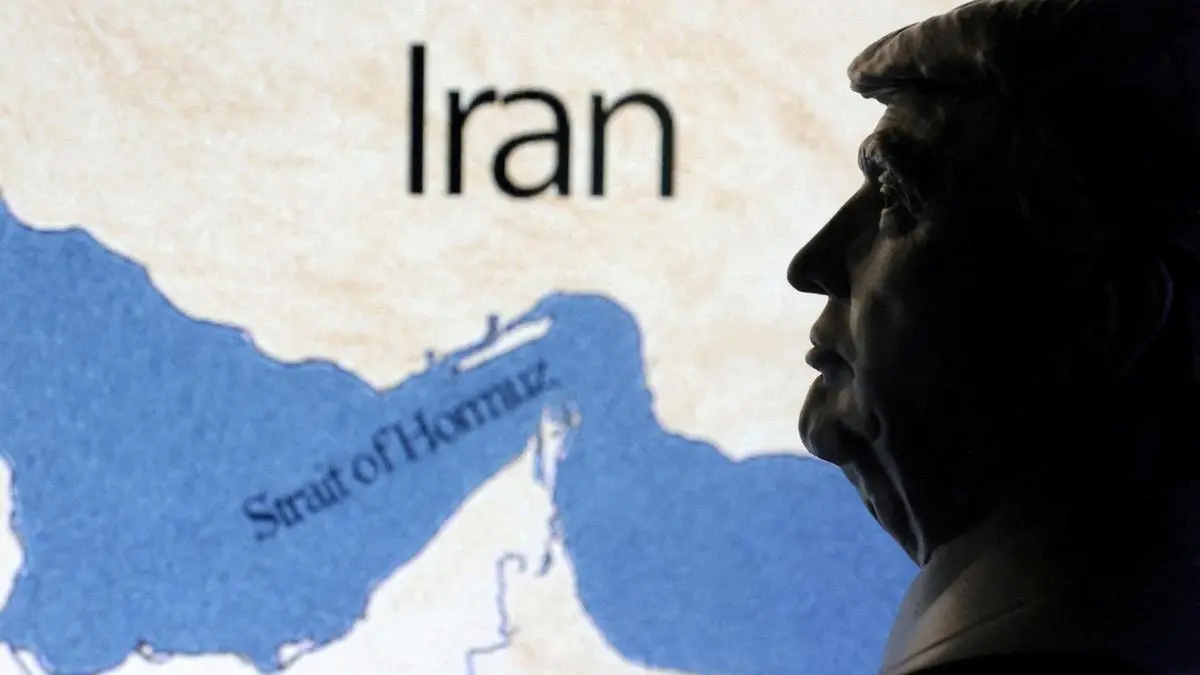
The Strait of Hormuz is the only card Tehran has left to play, and they are playing it with reckless desperation. By closing the Strait, they didn't just target the U.S. economy; they held the global energy market hostage. The ceasefire was predicated on reopening this artery, but the "maritime security framework" the U.S. demands would effectively turn the Persian Gulf into an American lake.
To the Iranian hardliners, this is an existential threat. If they open the Strait and allow U.S. inspectors onto their ships, the regime’s aura of defiance evaporates. If they keep it closed, they face the "Stone Age" bombing campaign Trump has threatened. They are currently choosing a middle path of "passive-aggressive compliance"—opening the lanes just enough to prevent a strike, but harassing tankers to keep the risk premium high.
Internal Rot and External Pressure
The timing of this crisis is not accidental. The Iranian regime is facing its most significant domestic challenge since the 1979 revolution. The December 2025 protests were not just about headscarves; they were about a collapsing rial and a government that spends billions on proxies while its citizens stand in bread lines.
Washington knows this. The strategy is to squeeze the regime until it either cracks from the inside or lashes out and justifies a final, decisive military intervention. This is why the "sanctions relief" offered in the 15-point U.S. plan is so heavily conditional. It is designed to be a carrot that the regime can see but never quite reach.
The Illusion of Diplomacy
The Islamabad talks were dead before they began because neither side believes the other is acting in good faith. Iran views the U.S. as a predatory power looking for regime change. The U.S. views Iran as a bad-faith actor using negotiations as a tactical delay. When Secretary of State Marco Rubio says he’s "not sure you can reach a deal with these guys," he isn't just expressing frustration; he’s signaling the end of the diplomatic road.
The transition from a two-week ceasefire to a 45-day negotiation window requires a leap of faith that neither Tehran nor Washington is prepared to take. The "top person" Trump claimed to be speaking with in Iran likely doesn't have the authority to sign a deal, even if they wanted to. The real power still rests with the IRGC and the remnants of the Supreme Leader’s inner circle, who see any concession as a death sentence.
No Way Back
The deadline is 48 hours away. If the Iranian delegation does not arrive in Pakistan, the ceasefire expires. If the ceasefire expires, the U.S. has already positioned a second aircraft carrier in the Gulf and erected missile launchers at Qatar’s Al Udeid airbase. This is not the "strategic patience" of the previous decade. This is a high-velocity collision course.
The world is waiting for a breakthrough that is mathematically improbable. You cannot negotiate the survival of a regime that defines itself by its opposition to the very entity it is negotiating with. The Strait of Hormuz will either be open because of a deal, or it will be open because the Iranian navy no longer exists.
The time for "positive" outlooks has passed. Prepare for the alternative.