The prevailing narrative in Washington is that the 40-day air campaign against Tehran has finally broken the back of the Islamic Republic. In early April 2026, a fragile ceasefire took hold after more than 23,000 combined strikes by American and Israeli forces. The statistics are being touted as a masterclass in "peace through strength": 60% of Iran’s ballistic missile launchers destroyed, 90% of its navy sitting at the bottom of the Persian Gulf, and the nuclear program "obliterated" for the second time in a year.
Yet, as a veteran who has watched these cycles of escalation for decades, I see a different reality. We are not witnessing the end of a threat, but the birth of a more volatile, desperate, and unpredictable era of Middle Eastern instability. The Trump administration’s strategy of decapitation—killing Supreme Leader Ali Khamenei and 40 other top officials in February—has created a power vacuum that no amount of precision-guided munitions can fill. By treating diplomacy as a "manufactured crisis" and choosing the path of total military degradation, the U.S. has entered a strategic trap where the only options left are a permanent occupation or a chaotic retreat.
The Mirage of Tactical Success
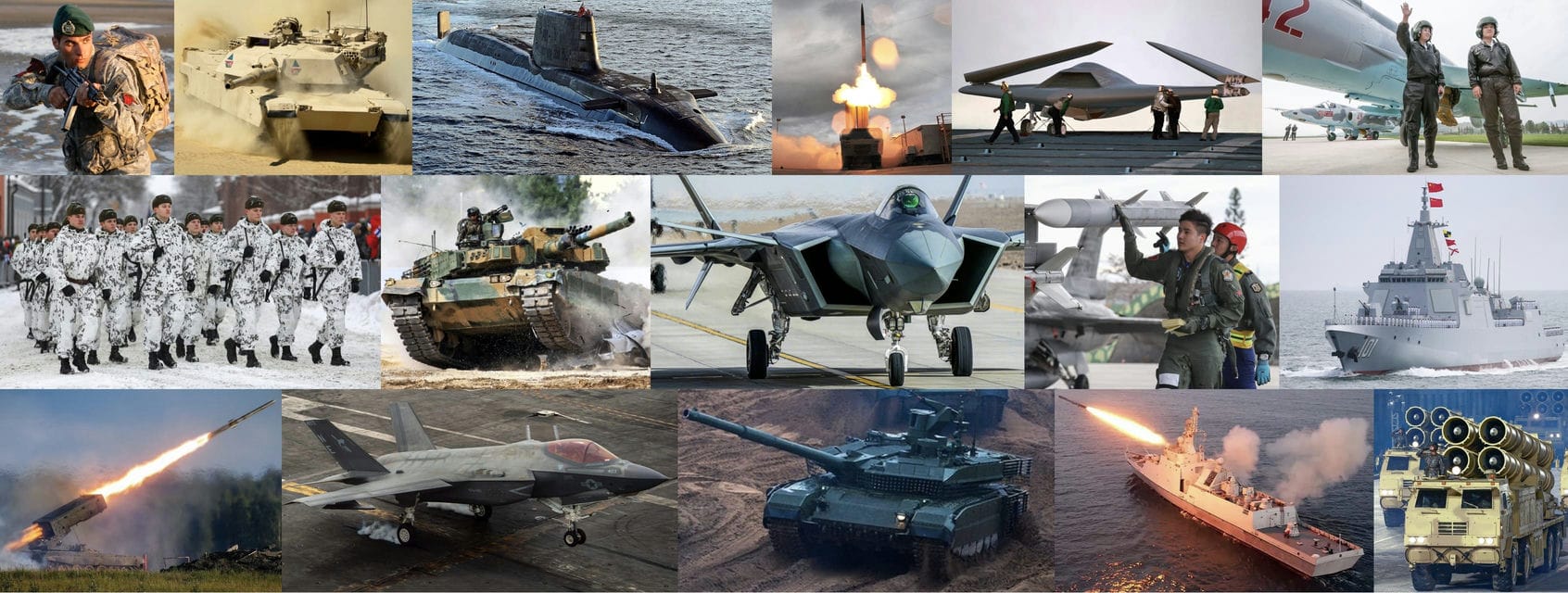
On paper, the military achievements of the last two months are staggering. The U.S. and Israel executed a campaign that makes the "Shock and Awe" of 2003 look like a light skirmish. Operation Epic Fury successfully penetrated the most hardened Iranian sites, including Fordow and Natanz.
However, tactical success is not strategic victory. While the "breakout time" for an Iranian nuclear weapon has been pushed back, the technical knowledge within the Iranian scientific community remains untouched. You cannot bomb a formula. You cannot assassinate a nation’s collective memory of how to enrich uranium.
History shows that when a regime is pushed into a corner where its very existence is at stake, it stops playing by the rules of conventional deterrence. The "Twelve-Day War" of 2025 should have been a warning. That limited strike was supposed to bring Tehran to the table; instead, it hardened their resolve and led to the massive retaliatory salvos of late 2025. Now, with the leadership decapitated and the economy in a freefall worse than the Great Depression, the remnants of the Iranian state have nothing left to lose.
The High Cost of the Shadow War
The human and economic toll of this "strategic disaster" is only beginning to be calculated. At least 13 U.S. service members are dead, and 140 are wounded. In Israel, the iron dome was pushed to its breaking point by cluster-munition-tipped ballistic missiles, resulting in dozens of civilian deaths and thousands of displacements.
But the most profound damage is being done to the global energy market and regional stability.
- The Hormuz Stranglehold: Despite the destruction of the Iranian navy, the Strait of Hormuz remains a graveyard of tankers. Insurance rates for shipping have made the passage nearly untenable, driving global oil and fertilizer prices to record highs.
- The Proxy Phoenix: While the "head of the snake" in Tehran is bruised, its "tentacles"—Hezbollah in Lebanon, the Houthis in Yemen, and Shia militias in Iraq—are more active than ever. They are no longer waiting for orders from a Supreme Leader who no longer exists; they are acting on local grievances and a desire for vengeance.
- The Refugee Surge: The collapse of public services and the destruction of infrastructure in Iranian cities like Isfahan and Kermanshah have triggered a humanitarian crisis that is already spilling into Turkey and Iraq.
The Negotiation Myth
The Trump administration’s theory of victory rested on a simple premise: apply enough pressure, and the regime will either collapse or surrender unconditionally. This assumes that the Iranian leadership views the world through the same transactional lens as a real estate developer. They do not.
In February 2026, just 48 hours before the strikes began, Omani mediators reported "substantial progress" toward a nuclear deal. The U.S. walked away, citing dissatisfaction with the "way [Iran is] negotiating." This was a pivotal moment. By choosing a public diktat over a negotiated peace, the administration turned a potential diplomatic win into a bloody stalemate.
We are now seeing the "Versailles Effect" in real-time. A peace extracted at gunpoint is merely a pause for rearmament. The Iranian people, who were once out in the streets protesting their own government’s corruption in 2025, are now faced with a foreign-imposed chaos. Nationalism is a powerful drug; it often binds a people to even the most brutal regime when that regime becomes the only thing standing between them and total foreign domination.
The Ground War Specter
Perhaps the most dangerous aspect of the current situation is the "escalation trap." With the air campaign reaching its limit of useful targets, the voices in Washington calling for a ground invasion are growing louder. They argue that "regime change" can only be finished by boots on the ground.
This is the same siren song that led the U.S. into the quagmires of the early 2000s. An invasion of Iran, a country with three times the population and four times the landmass of Iraq, would be a multi-decade commitment that the American public is not prepared for. The decapitation of the leadership has not led to a popular uprising for democracy; it has led to a fractured landscape of warlords and IRGC remnants fighting for control of the ruins.
Looking Beyond the Smoke
The ceasefire of April 8 is not the end. It is a transition into a more dangerous phase of the conflict. The U.S. has successfully destroyed the hardware of the Iranian threat but has simultaneously supercharged the software of regional resentment.
The brutal truth is that there is no military solution to a theological and nationalist movement. By dismantling the structures of the Iranian state without a viable plan for what comes next, the administration has traded a known, containable adversary for an era of decentralized, asymmetric chaos. We have won the battles, but we are rapidly losing the war for regional stability.
The only way out of this trap is a return to the messy, unsatisfying work of regional diplomacy—not just with Tehran’s remnants, but with the Gulf allies who are now questioning if American "protection" is worth the price of being on the front lines of a perpetual war. If we continue to mistake the destruction of targets for the achievement of peace, we will find ourselves back in this same cycle, with higher stakes and fewer allies, before the year is out.
The missiles have stopped falling for now, but the fuse is still burning.