The MTR Corporation has just handed its workforce a financial ultimatum disguised as a reward. On March 12, 2026, the railway giant announced a net profit of HK$14.7 billion for the 2025 fiscal year. Simultaneously, it informed the thousands of front-line staff who keep the city moving that their base salary increases for 2026 will be capped at a maximum of 3.84%, with some receiving as little as 1.6%.
This disconnect is not just a rounding error in a corporate ledger. It is the clearest signal yet of a deepening rift between the "Two MTRs": the high-flying property developer that pays out billions in dividends and the aging transport utility that is squeezing its human capital to the breaking point. While management points to a "challenging economic environment" to justify the modest raises, the numbers suggest a different story. The corporation is maintaining a total ordinary dividend of HK$1.31 per share—exactly the same as the previous year—ensuring that shareholders, including the Hong Kong government, remain whole while the real wages of workers are eroded by the relentless cost of living.
The Two-Hour Pressure Cooker
The most damning indictment of the current pay structure isn't found in the base salary, but in the refusal to adjust allowances for the most grueling work. The Federation of Railway Trade Unions had entered negotiations with a specific, urgent demand: a significant increase in the overnight shift allowance.
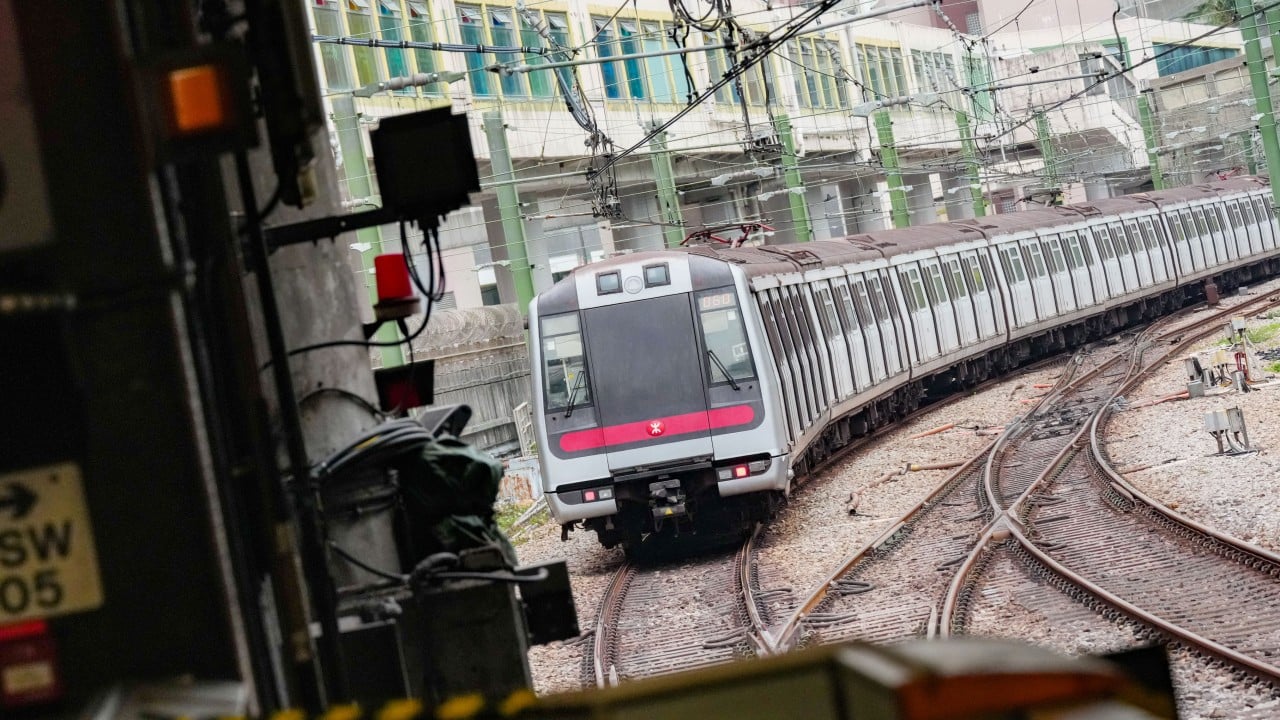
Every night, after the last train departs and the stations go dark, a skeleton crew of technicians and engineers has a window of precisely two hours to perform critical maintenance on hundreds of kilometers of track and electrical systems. This "Golden Two Hours" is a high-stakes sprint. If a bolt isn't tightened or a signal isn't tested by 4:30 AM, the entire city grinds to a halt.
Union spokesman Lam Wai-keung noted that it is standard industry practice for night work to command double pay. In the private sector, contractors bidding for MTR projects bake these "night premiums" into their prices because of the physical and mental toll. Yet, for the MTR’s own staff, these premiums have remained stagnant. The company’s refusal to move on this issue shows a fundamental misunderstanding of the risks their staff take. They are essentially asking for world-class precision on a discount budget.
Profits Built on Property Not Passengers
To understand why the MTR can report a HK$14.7 billion profit while crying poor at the bargaining table, one must look at where the money actually comes from. The 2025 results show that profit from recurrent transport operations in Hong Kong slumped by 21.6%.
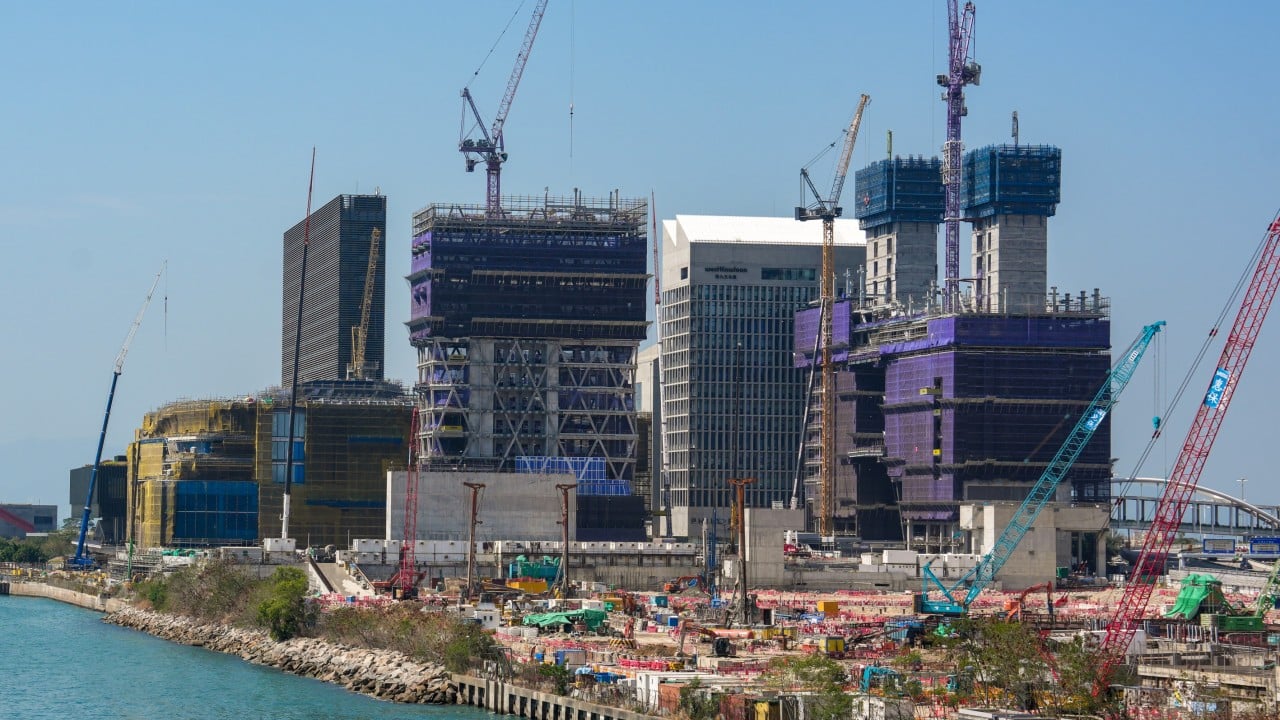
The "Rail plus Property" model, once the envy of the world, is now a double-edged sword.
- Property Development: Earned HK$11.1 billion, up 8%.
- Recurrent Transport: Dragged down by massive depreciation and one-off write-downs.
The railway is becoming a loss-leader for a real estate empire. When the transport side "underperforms" according to internal metrics, the staff are penalized, regardless of the fact that they are the reason the property above the stations is valuable in the first place. By decoupling pay from the property profits and tethering it only to the "recurrent" transport side, the MTR has created a mechanism where the house always wins, and the worker always breaks even at best.
The Talent Hemorrhage
Management's conservatism on pay is a dangerous gamble in a tightening labor market. While the 2025 salary increase for over half of the staff will hover around 3.2%, the broader Hong Kong market is seeing a talent crunch, particularly in specialized engineering and technical roles.
Younger engineers are no longer viewing a "job at the MTR" as a lifelong golden ticket. The intensity of the work, combined with a rigid, tenure-based system that the unions are desperate to reform, is driving talent toward the private sector or overseas. The MTR's "referral bonus" was recently hiked to HK$8,000, a tacit admission that they cannot attract enough new blood through traditional means.
Relying on one-off bonuses—ranging from 1.4 to 2.07 months this year—is a classic corporate tactic to avoid "locking in" higher fixed costs. It keeps the staff on a leash, dependent on a year-end payout that can be slashed at the board's whim. It does nothing to help a young station officer qualify for a mortgage or plan for a family in one of the world's most expensive cities.
The Sustainability Myth
The MTR frequently uses the phrase "long-term financial sustainability" to justify its fare adjustments and its wage suppression. However, sustainability that ignores the human element is a facade.
If the corporation continues to prioritize dividend parity over staff welfare, the "gold standard" of Hong Kong transit will begin to tarnish. We have already seen an uptick in minor signaling faults and "human error" incidents over the last 24 months. These are the early warning signs of a fatigued, disillusioned workforce.
The unions have signaled they will continue to push for a tenure-based pay system and subsidies for professional licenses. These are not radical demands; they are the bare minimum for a company that wants to be seen as an "Employer of Choice." The MTR has the cash—its HK$15 billion "community benefit" spend proves that. The question is whether it views its own employees as part of that community, or simply as an operational expense to be minimized.
The MTR needs to decide if it is a railway company that develops property, or a property developer that happens to run a few trains. If it’s the latter, the next time the system breaks down during the morning rush, the public will know exactly who to blame: a board of directors that valued a dividend yield more than the people who keep the signals green.