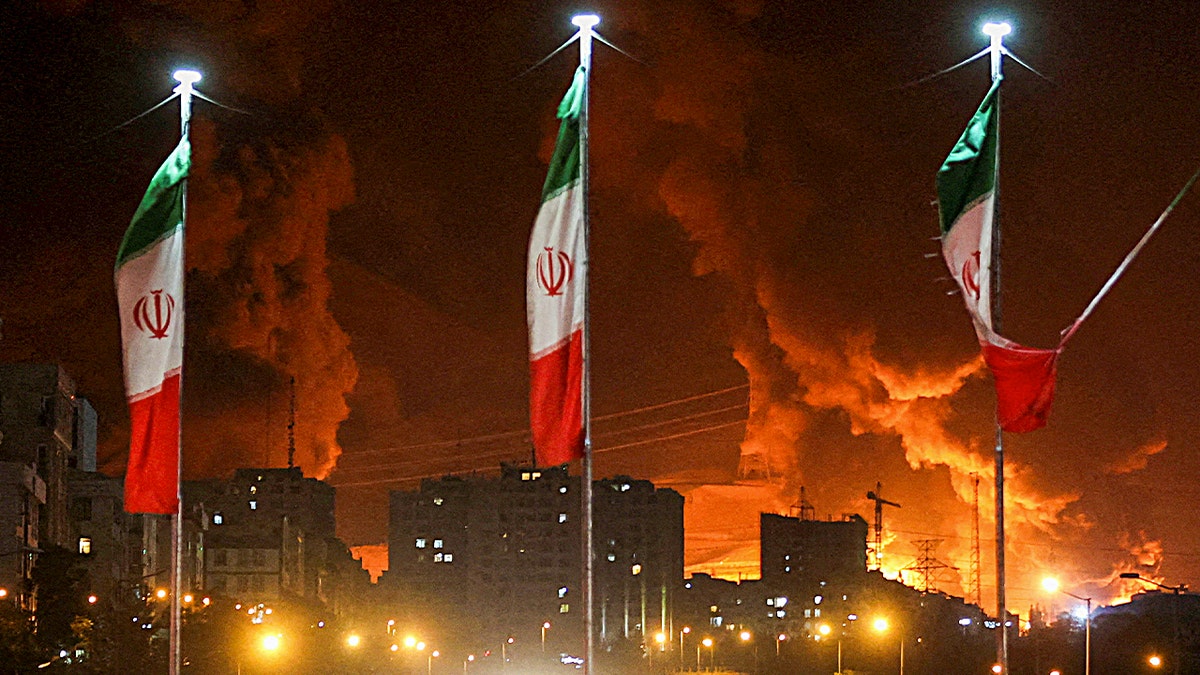
Nepal’s economic heartbeat is skipping. For decades, the nation has survived on the sweat of millions of young men and women working in the sweltering heat of the Gulf, but the 39-day war in West Asia has finally exposed the fragility of this arrangement. Foreign Minister Shisir Khanal, speaking from the sidelines of the Indian Ocean Conference in Mauritius, confirmed what many in Kathmandu’s corridors of power have feared: the primary engine of the Nepali economy is stalling. With nearly two million citizens stationed across the Middle East, a regional conflict is no longer a distant geopolitical drama; it is a direct domestic emergency.
The math is as cold as it is terrifying. Remittances account for roughly a quarter of Nepal’s GDP, a reliance that makes the country one of the most migration-dependent nations on earth. When missiles fly over the Persian Gulf, the shocks travel through the banking systems of Doha and Riyadh and land squarely in the kitchens of rural Nepal. Khanal’s admission that the conflict "keeps us awake at night" isn't hyperbole. It is a recognition that without those monthly wire transfers, the country’s modest foreign exchange reserves would vanish, and the domestic market would collapse.
The Human Toll of a Shadow War
While the world watches the high-stakes diplomacy between major powers, the casualty list includes those who never asked to be part of the struggle. One Nepali citizen is dead, and 27 others are injured. These are not combatants; they are security guards, hospitality workers, and laborers who were caught in the crossfire of a war they have no stake in.
The immediate concern for the Ministry of Foreign Affairs is the safety of those still in the region. Unlike wealthier nations, Nepal does not have the logistical muscle to execute a mass evacuation of two million people overnight. The government is currently walking a tightrope, desperately hoping for the Islamabad-led ceasefire to hold. If the conflict escalates into a full-scale regional conflagration involving Iran and the U.S., Nepal faces a nightmare scenario of a massive, unplanned exodus of workers returning to a country that has no jobs to offer them.
The Fertilizer Trap and the Food Security Domino
The crisis isn't just about cash flow; it is about the very ability of the nation to feed itself. Nepal is on the cusp of the rice planting season, and the agricultural sector is entirely dependent on imported chemical fertilizers. The war has disrupted supply chains and sent fuel prices soaring. Because fertilizer production is energy-intensive and highly sensitive to global shipping costs, the price of a bag of urea in a village in the Terai is now dictated by the volatility of the Strait of Hormuz.
Foreign Minister Khanal has been forced to turn to New Delhi for a lifeline. The dependency on India for fuel, cooking gas, and emergency fertilizer supplies has never been more visible. In the short term, this secures the basics, but it also underscores a deep-seated vulnerability. If the West Asia war continues to drive up global energy costs, India—itself a massive energy importer—may find its own capacity to support its neighbors stretched thin.
The Illusion of a Growing Reserve
Recent data from the Nepal Rastra Bank paints a deceptive picture. On paper, foreign exchange reserves grew by over 18% in the first eight months of the current fiscal year. Remittance inflows actually increased to $10.15 billion during that period. To an amateur analyst, this looks like a position of strength. To a veteran observer, it looks like the final surge before a crash.
These numbers reflect the "front-loading" of savings. When war breaks out, workers often send more money home immediately, fearing they might lose access to their bank accounts or be forced to leave. It is a panic-driven spike, not sustainable growth. If the tourism and hospitality sectors in the Gulf—huge employers of Nepali labor—contract due to regional instability, those billions will dry up within a single quarter.
The Broken Promise of SAARC
One of the most damning aspects of this crisis is the utter failure of regional cooperation. Khanal noted that the South Asian Association for Regional Cooperation (SAARC) has been effectively dormant for years. Nepal currently holds the chair, yet it remains powerless to mobilize a collective South Asian response to protect migrant workers.
Instead of a unified regional bloc negotiating for the safety of millions of Indian, Pakistani, Bangladeshi, and Nepali workers in the Middle East, each country is fending for itself. This fragmentation leaves the South Asian labor force vulnerable to exploitation and neglect during crises. While smaller initiatives like BIMSTEC and the BBIN (Bangladesh, Bhutan, India, Nepal) initiative offer some hope for trade and energy cooperation, they are poor substitutes for a robust regional security and labor framework.
Beyond the Ceasefire
The Islamabad talks ended inconclusively, and the current ceasefire is a fragile peace built on sand. For Nepal, the lesson is clear: the current economic model is a ticking time bomb. The "export" of human labor was always meant to be a temporary fix to bridge the gap toward industrialization, yet it has become a permanent crutch.
The new government under Prime Minister Balendra Shah has inherited a mandate for structural change, but the window of opportunity is closing. The surge in hydroelectricity production is a rare bright spot, but it cannot replace the immediate liquidity provided by the migrant worker. Until Nepal can create a domestic environment where its youth are not forced to trade their safety for a paycheck in a war zone, the nation's sovereignty will remain hostage to events in a region thousands of miles away.
The reliance on West Asia is an existential gamble. Nepal has been winning that gamble for decades, but the current conflict proves that the house always wins in the end. Stopping the bleeding requires more than just diplomatic pleas at conferences in Mauritius; it requires a radical pivot toward domestic job creation that the country has avoided for a generation. If the ceasefire fails, the "remittance economy" won't just be hit—it will be decimated.