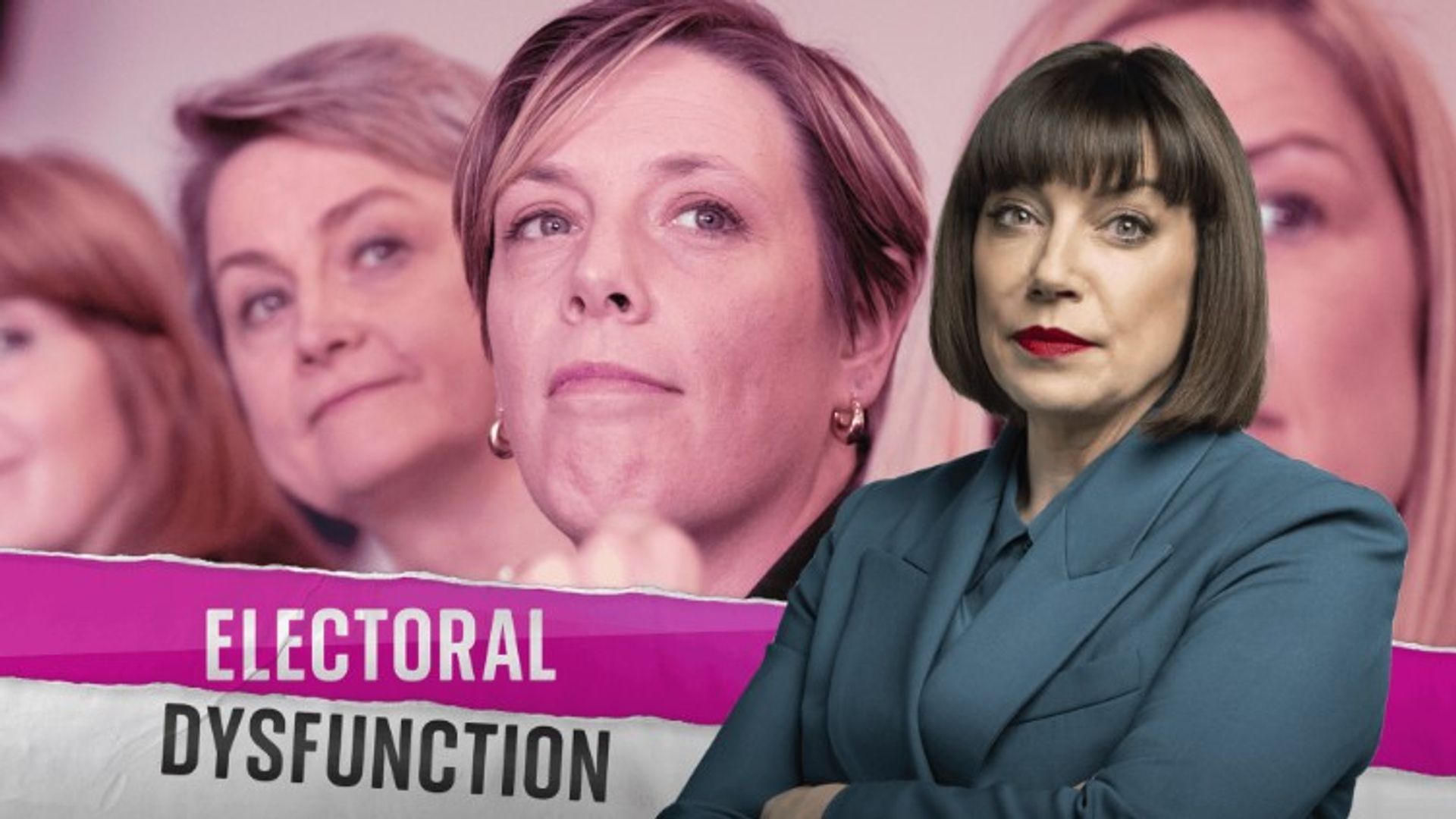
When British politician Jess Phillips remarked that a total social media ban would have prevented her from briefly quitting her government post, she was not just venting about a bad week in the headlines. She was exposing a structural failure in modern governance. The public conversation around online abuse treats the problem like a series of isolated workplace incidents, suggesting better moderation or thicker skin will solve it. That diagnosis is wrong. The relentless, algorithmic amplification of hostility is fundamentally altering who enters public service and who stays.
The current political environment does not just tolerate vitriol; it actively filters for it. Good lawmakers are leaving because the machinery of modern communication rewards extreme polarization over actual policy work.
The Toxic Filter Rejecting Competence
The conventional view is that politicians should expect public scrutiny. That is a fair standard. But scrutiny has been replaced by a continuous, automated psychological assault. When a lawmaker cannot check their communication channels for constituent feedback without wading through thousands of coordinated death threats and slurs, the job description changes.
It becomes an endurance test for the thick-skinned or the ideologically fanatical.
The danger is a complete shift in the demographic of leadership. Think about the type of person who thrives under constant, uncurated hostility. It is rarely the nuanced policy expert, the collaborative builder, or the deeply empathetic community advocate. Instead, the system begins to favor characters who view politics as a blood sport, people who are energized by conflict and skilled at weaponizing outrage for their own brand building.
Consider a hypothetical local representative trying to balance a complex municipal budget. Under traditional media structures, they might face tough questions from a local journalist or an angry crowd at a town hall meeting. Today, a single misconstrued sentence from that meeting is clipped, stripped of context, and served to millions of angry users worldwide. The incentive structure collapses. Why spend months working on complex legislation when a provocative, polarizing post generates more visibility and intra-party capital?
The Fallacy of the Personal Account
Governments and parliamentary bodies frequently advise politicians to simply log off or hand their passwords to a team of press officers. This advice ignores how modern political campaigns operate.
The modern politician is required to be an authentic brand.
Voters demand direct access. The traditional barrier between a public figure's professional output and their private life has vanished. Political parties actively pressure candidates to share personal anecdotes, behind-the-scenes videos, and real-time reactions to current events to appear relatable. A managed corporate account rarely moves the needle in a modern election.
This requirement creates a profound psychological vulnerability. To remain politically viable, the politician must open the door to direct interaction. Once that door is open, the algorithm ensures that the most extreme, emotionally volatile reactions rise to the top of the feed. The human brain was never wired to process the concentrated animosity of hundreds of thousands of people simultaneously. By forcing politicians to operate like digital influencers, political structures have made psychological burnout inevitable.
Who Fills the Vacuum
When reasonable, pragmatic lawmakers decide the personal cost of public office is too high, the vacancies are not left empty. They are filled by people who are immune to the toxicity precisely because they are part of it.
This is the hidden crisis of governance.
We are witnessing a slow-motion purge of institutional knowledge and legislative competence. When experienced ministers and representatives step down prematurely, decades of understanding regarding how bills are drafted, how departments are run, and how cross-party compromises are reached go with them. The replacement pool is increasingly populated by political entrepreneurs who view legislative bodies not as chambers for governance, but as backdrops for content creation.
The result is a measurable decline in the quality of policy. Legislation becomes reactionary, designed to satisfy the immediate demands of a twenty-four-hour cycle rather than address long-term systemic issues. The focus shifts from solving problems to winning the morning broadcast round.
The Mirage of Platform Self-Regulation
To fix this, reliance on tech companies to police their own platforms is a strategy designed to fail. The business model of major networks relies entirely on user engagement, and nothing drives engagement more effectively than outrage, fear, and division.
A notification that sparks anger keeps a user on the app longer than an analytical breakdown of a housing bill.
Expecting these platforms to voluntarily suppress toxic engagement is asking them to actively reduce their profitability. The safety features introduced over the years are superficial band-aids on a fundamentally flawed architecture. Heavy filtering options often mean politicians miss genuine, urgent communications from actual constituents amidst the noise, defeating the purpose of having a public channel.
Rebuilding the Firewall
If democracy requires competent people to run for office, the environment must be made survivable for someone who isn't a narcissist or a zealot. This requires structural separation.
Public officials need an entirely different communication infrastructure.
Instead of relying on commercial platforms that treat public discourse as a monetization opportunity, governments must establish verified, secure, and moderated channels for constituent interaction. If a citizen wants to lobby their representative, they should do so through a system that validates identity and filters out organized, automated harassment campaigns before they ever reach a human desk.
This is not about shielding politicians from criticism. It is about restoring accountability to the people who actually live in their districts, rather than anonymous accounts and bot farms operating thousands of miles away.
We must strip away the expectation that a lawmaker must double as a digital content creator. Political parties need to stop using social media metrics as a primary gauge of a candidate’s viability or success. Until the metric of political worth shifts away from virality and back toward legislative substance, the exit of capable leaders will continue. The public square has been leased to corporations that profit from its degradation, and the price of that lease is the steady erosion of the ability to govern.