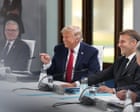
The theater of global diplomacy rarely offers surprises, but it frequently provides clarity. When Donald Trump strode into the morning session of the G7 summit in Evian-les-Bains and announced to the room, "I am the boss," the performance captured the exact friction defining Western foreign policy. While headlines focused on the presidential bravado, the real story unfolded in the fine print of the agreements. The Group of Seven nations did not just endure a lecture on American dominance. They quietly locked the United States into a coordinated escalation of economic warfare against Russia, weaponizing a fragile new Middle East peace to choke off Moscow's remaining financial lifelines.
This summit was less about American dictation and more about structural entrapment. European leaders, realizing they cannot outmaneuver the American president on raw rhetoric, have learned to leverage his transactional worldview. By validating his self-proclaimed status as the ultimate dealmaker, they secured a concrete shift in Washington's stance on the Ukraine war. For a deeper dive into this area, we recommend: this related article.
The Anatomy of the Sanctions Trap
For eighteen months, European allies watched with growing anxiety as Washington hesitated over the enforcement of strict energy caps. The turning point arrived not through moral persuasion, but through a radical realignment of energy logistics in the Middle East. Trump spent the summit touting a secretive, unfinalized memorandum of understanding with Iran to halt the regional conflict. The market responded with a surge, but the geopolitical consequence is far more clinical.
With oil flowing steadily through the Strait of Hormuz under this tentative truce, the primary excuse for delaying severe measures against Russian energy evaporated. The G7 seized the moment. Washington signaled an imminent end to the sanctions waivers that had kept a steady stream of Russian oil cargoes legally moving at sea. For further details on this topic, comprehensive coverage can also be found on Reuters.
The strategy hinges on simple supply and demand mechanics.
- Replacing Russian Crude: The stabilization of Middle Eastern supply routes provides the exact cushion global markets require to absorb a total Western shutdown of Russian maritime exports.
- Targeting the Shadow Fleet: British Prime Minister Keir Starmer pushed through a specialized package aimed directly at the maritime loophole, specifically targeting specialized tankers moving Russian liquefied natural gas.
- Funding the Defense Grid: European and Canadian allies agreed to pick up the direct financial tab for American-manufactured Patriot air defense systems, transforming US military aid into a cash-positive procurement program for American defense contractors.
This is not altruism. It is a highly coordinated effort to choke Russia's war liquidities while appealing directly to the transactional nature of the White House.
The Illusion of Absolute Command
The "boss" comment, captured on a video proudly distributed by the White House, implies a unidirectional flow of power. The reality on the ground in France revealed a far more complex web of leverage. Leaders like German Chancellor Friedrich Merz and French President Emmanuel Macron allowed the American delegation to claim rhetorical victory in exchange for binding institutional commitments.
[G7 Strategic Alignment]
   │
   ├──► US Interest: Transactional diplomatic wins (Iran MOU, defense sales)
   │
   └──► European Interest: Ironclad enforcement of Russian oil & gas embargoes
Merz noted that the summit outcomes set a definitive new tone in transatlantic unity. This new tone is born of exhaustion and necessity. European capitals have abandoned the hope of appealing to historical alliances or democratic solidarity. Instead, they treat the American presidency as a commercial entity that requires clear, immediate payoffs.
By funding the Patriot missile transfers themselves, European nations stripped Washington of the domestic political argument that American taxpayers are footing the bill for a foreign war. It transforms the defense of Kyiv into a factory-floor jobs program for Ohio and Pennsylvania.
The Limits of the Leverage
Despite the public show of unity, the cracks in this strategy remain visible. The battlefield has shifted into a grinding war of attrition, now in its fifth year. While NATO Secretary General Mark Rutte defended the adjustments to the alliance's force model, he deliberately avoided offering a concrete timeline for sustained military integration.
Furthermore, the entire apparatus relies on the stability of the unvetted Iran agreement. Trump himself noted the fragility of the deal, declaring that if he does not like the final terms before Friday's scheduled signing in Switzerland, the US will resume military action. If that deal collapses, the energy security of the Strait of Hormuz shatters with it, instantly destroying the economic basis for the new Russian oil sanctions.
Ukrainian President Volodymyr Zelenskyy left the summit with a commitment for stronger air defense, but without the ultimate prize: a definitive pathway to force Moscow to the negotiating table. The G7 is betting heavily that economic strangulation can achieve what military stalemates have not. By locking the American administration into a hardline stance on oil sanctions before the fluid Middle East peace can fracture, Europe has proved that the best way to handle a self-proclaimed boss is to let him sign the contract.
A deeper analysis of the shifting dynamics within NATO can be observed in the G7 summit report by CNA on YouTube, which highlights how European and Ukrainian leaders successfully pressed for concrete commitments despite the erratic rhetorical backdrop.