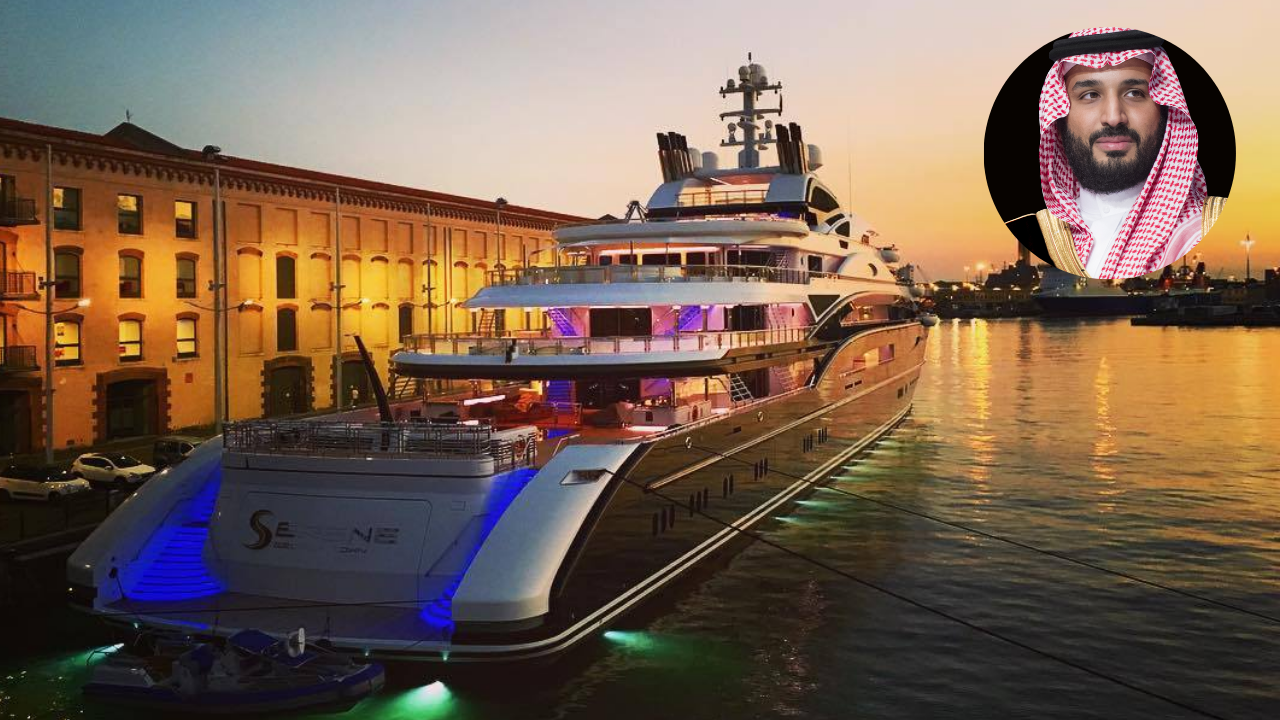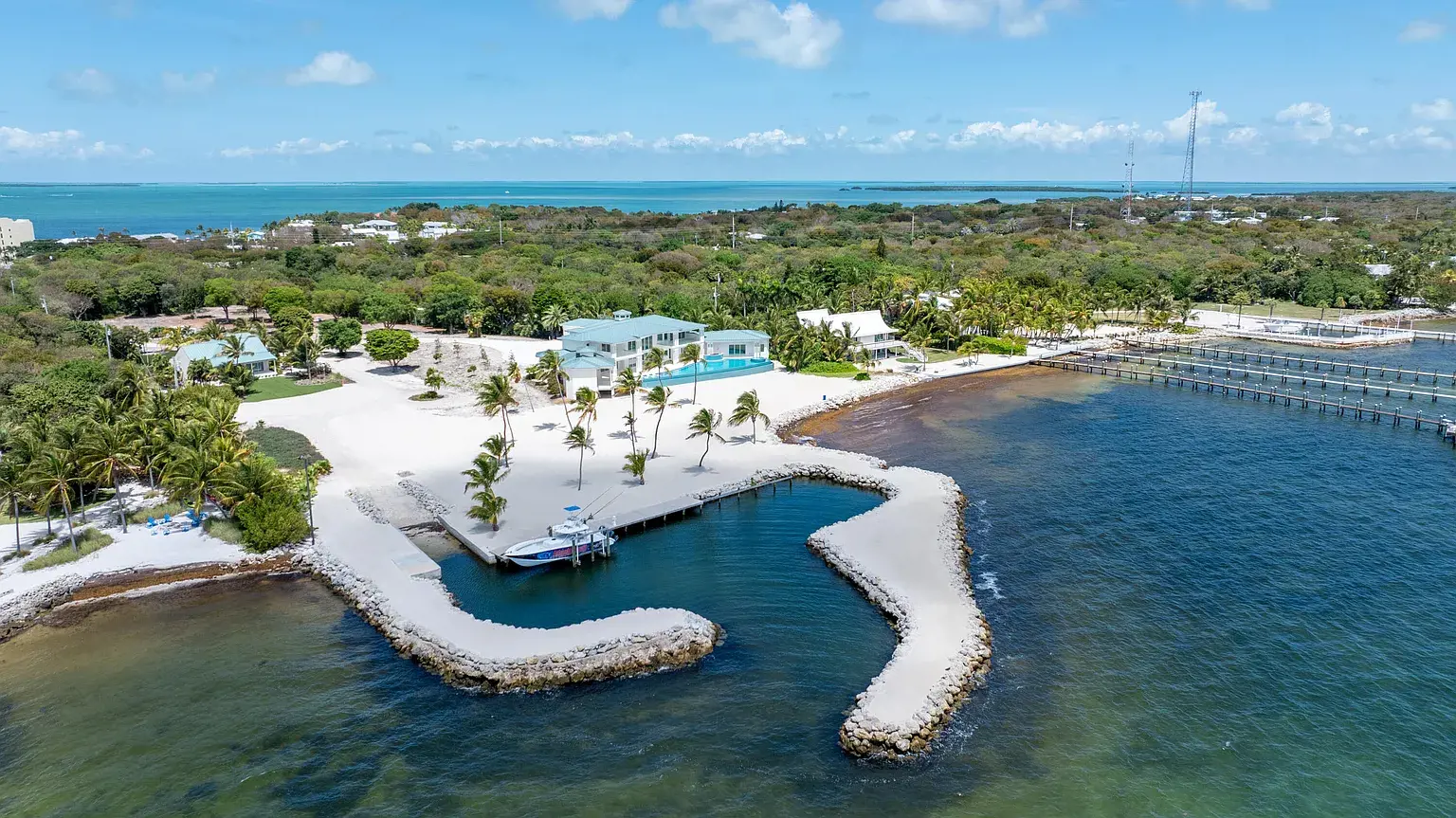
The modern obsession with the ultra-luxury waterfront mega mansion has reached a fever pitch, driven by a global billionaire class hungry for ultimate privacy. The ultimate status symbol is no longer just a sprawling estate; it is the acquisition of an exclusive, private beach. This intense demand has triggered a hyper-inflation of coastal real estate prices, forever altering premium coastlines from Miami to Malibu. However, beneath the glossy architectural photography and the staggering price tags lies a complex web of environmental battles, legal challenges over public land access, and severe climate vulnerabilities that wealthy buyers routinely ignore.
The Illusion of Total Ownership
When a billionaire buys a mega mansion boasting a private beach, they rarely own what they think they own.
Most jurisdictions operate under variations of the public trust doctrine, a legal principle dating back to the Roman Empire. This doctrine dictates that the wet sand—the area between the high-tide line and the low-tide line—belongs to the public. Property lines usually end at the mean high-water mark.
This creates an immediate, systemic friction point. Wealthy homeowners routinely attempt to wall off their properties, employing private security, installing illegal fencing, or erecting misleading "Private Property" signage to deter the public. In places like Malibu, California, and parts of the Hamptons, these tactics have sparked decades of litigation. Public access advocates armed with digital mapping apps now actively track and dismantle these illegal barriers, turning pristine coastlines into literal battlegrounds over class and legal boundaries.
The wealthy are purchasing an illusion of total sovereignty. The reality is a constant, exhausting defense of a border that is legally fluid and politically charged.
The Environmental Toll of Engineered Luxury
Nature does not tolerate static structures on a shifting coastline. To build a mega mansion weighing thousands of tons right on the edge of the ocean requires massive engineering intervention, which almost always destroys the local ecosystem.
Consider the typical lifecycle of a beachfront mega-estate. The buyer wants a pristine, wide sandy beach. But coastal erosion is an unrelenting reality. To protect their investment, owners construct seawalls, bulkheads, or revetments.
These hard structures create a destructive feedback loop:
- Reflected Wave Energy: Seawalls block the natural dissipation of wave energy. Instead of absorbing the water, the wall reflects the force downward and outward.
- Accelerated Erosion: This deflected energy scours the sand from the beach directly in front of the wall and accelerates erosion on neighboring properties that lack protection.
- Beach Disappearance: Over time, the private beach completely disappears, leaving nothing but a concrete barrier facing a churning ocean.
To counter this, owners resort to beach nourishment, which involves trucking in thousands of tons of sand or dredging it from offshore. This is a temporary, hyper-expensive cosmetic fix. It smothers local marine life, disrupts turtle nesting grounds, and must be repeated every few years at an astronomical cost. It is a losing war against the ocean, funded entirely by vanity.
The Financial Engineering of Trophy Assets
The valuation of these properties defies standard real estate logic. A waterfront mega mansion is not priced based on comparable market analysis or square footage metrics alone. It operates as a sovereign asset class, functioning much like fine art or rare antiquities.
Wealthy buyers use these properties as massive capital sinks to shield wealth from inflation and taxation. Many of these estates are held inside complex networks of multi-tiered Limited Liability Companies (LLCs) registered in offshore tax havens. This obscuration hides the true beneficial owner and allows the property to be traded quietly as a corporate entity, bypassing traditional real estate transfer taxes and public disclosure requirements.
+------------------+     +-----------------------+     +-----------------------+
|  Offshore Trust  | --> | Delaware / Nevada LLC | --> | Shell Holding Company |
+------------------+     +-----------------------+     +-----------------------+
                                                                   |
                                                                   v
                                                        +---------------------+
                                                        | Mega Mansion Asset  |
                                                        +---------------------+
But this financial insulation is facing a massive threat from the insurance sector.
The actuarial math has fundamentally broken down. Traditional insurers are fleeing coastal markets entirely or demanding premiums that resemble small fortunes. A mansion purchased for $80 million may now cost upwards of $500,000 annually just to insure against wind and flood damage, often with deductibles in the millions. The ultra-wealthy are increasingly forced to "self-insure," meaning they carry the entire catastrophic risk on their own balance sheets. A single category five hurricane can instantly erase nine figures of uninsured equity.
Architectural Hubris vs Coastal Reality
To justify a hundred-million-dollar price tag, developers are pushing architectural limits to the point of absurdity. We see subterranean bowling alleys built below sea level, cantilevered infinity pools hanging over fragile bluffs, and glass walls designed to withstand missile-grade debris.
This is architectural hubris. Architects use reinforced concrete and deep-driven steel pilings to anchor these structures into bedrock, creating a fortress designed to withstand the elements. But while the house might survive a massive storm surge, the surrounding land will not.
Imagine a pristine, ultra-modern concrete fortress standing completely intact, but entirely surrounded by open water because the beach and access roads were completely washed away. This is not a hypothetical scenario; it is an active reality facing properties across the changing shorelines of the world. The house remains, but the utility, the luxury, and the access are entirely gone.
The Elite Flight from the Coast
A quiet shift is happening at the very top of the economic pyramid. While flashier, newly minted multi-millionaires continue to buy up these exposed waterfront trophies, the old-money elite and seasoned real estate oligarchs are quietly liquidating their coastal portfolios.
They are moving inland. They are acquiring massive acreages in high-altitude enclaves, mountainous retreats, and resilient interior ecosystems. They recognize that the premium placed on a private beach is a rapidly depreciating asset when viewed across a thirty-year horizon.
The private beach mega mansion has become the ultimate game of musical chairs. The current crop of buyers is paying record prices for the privilege of holding a highly volatile, environmentally compromised asset. They are betting that they can enjoy their private oasis and sell it to a greater fool before the sea level claims the master suite. It is a high-stakes gamble wrapped in Italian marble and infinity edges, and the ocean always wins the final hand.