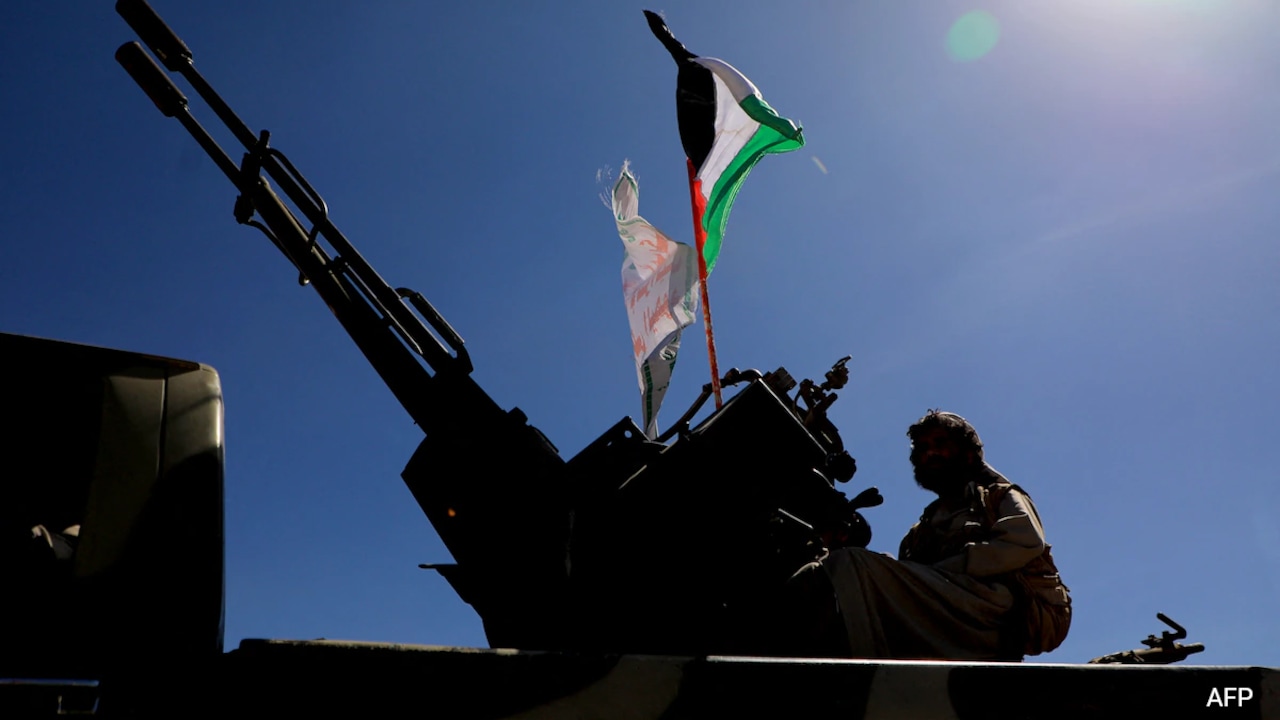
Decades of continuous conflict across the Arabian Peninsula have turned regional power struggles into a permanent fixture of global economic anxiety. When anti-Houthi forces launch coordinated campaigns to reclaim lost territory while critical energy installations face aerial strikes, the impact reaches far beyond local borders. Global crude markets react instantly. Energy traders hold their breath. The underlying mechanics of these clashes involve deeply entrenched factions, shifting regional alliances, and a vulnerability in energy supply chains that no amount of diplomatic posturing can fully mask.
Understanding the current escalation requires looking past the daily press releases from military commands and energy ministries. The central dynamic driving recent offensive maneuvers in Yemen involves a calculated effort by coalition-backed groups to regain strategic depth. For years, frontlines remained largely frozen, punctuated by fragile truces that allowed armed groups to solidify their positions. When government-aligned forces push forward, they do so not out of sudden tactical superiority, but from mounting pressure to alter the geopolitical map before international fatigue sets in.
Simultaneously, long-range retaliatory strikes targeting major oil processing hubs expose the fragility of modern energy architecture. Facilities like those operated by Saudi Aramco represent massive concentrations of economic value within relatively compact geographic footprints. Defense systems intercept the vast majority of incoming projectiles, yet the psychological and market effects linger. Energy security relies on redundancy and uninterrupted flow. Every successful strike, or even a close interception overhead, reinforces the reality that multi-billion-dollar processing plants remain vulnerable to asymmetrical warfare conducted with low-cost components.
The Anatomy of a Stalemate
Military campaigns in this theater rarely result in decisive, sweeping victories. Geography dictates the limits of conventional power. Mountainous terrain, sprawling desert expanses, and densely populated urban centers create defensive advantages that heavily favor entrenched combatants. When anti-Houthi units attempt to advance through rugged governorates, supply lines stretch to dangerous lengths. Logistical breakdowns frequently halt momentum long before primary objectives fall.
Veteran observers recognize a recurring cycle. An offensive begins with heavy artillery exchanges and localized air support. Territorial gains are measured in small villages and strategic crossroads rather than sweeping territorial conquests. Then, counter-attacks from entrenched defenders exploit exposed flanks, forcing a chaotic retreat or a grinding war of attrition. This pattern has repeated itself for years, draining national resources while civilian populations bear the heaviest toll of economic collapse, food insecurity, and infrastructural ruin.
Financial backers behind various factions often have competing priorities. Local commanders pursue immediate territorial control to secure taxation points, smuggling routes, or political leverage. External patrons weigh the cost of continued support against broader regional stabilization goals and international diplomatic pressure. These misaligned incentives ensure that military operations rarely achieve total strategic clarity.
Economic Shockwaves and Market Realities
Energy markets operate on perception just as much as physical supply volumes. Whenever reports emerge of incoming drones or ballistic threats aimed at key export terminals or refineries, algorithmic trading systems react within milliseconds. Even if physical damage remains minimal and production stays unaffected, the risk premium embedded in every barrel of crude oil ticks upward.
Refining facilities are masterpieces of industrial engineering, yet they are remarkably unforgiving environments. They require continuous power, stable cooling water systems, and precise computerized control networks. Disrupting any single component can trigger automatic emergency shutdowns designed to prevent catastrophic fires or explosions. Restoring full capacity after an emergency shutdown is a delicate, time-consuming process. Consequently, frequent threats to these facilities create cumulative friction in global supply chains, driving up operational costs and ultimately inflating prices at fuel pumps worldwide.
Economic diversification initiatives across the Gulf region attempt to insulate national economies from petroleum dependency, yet oil remains the foundational pillar of state revenue. Protecting these assets demands an expensive, multi-layered defensive shield comprising advanced radar, surface-to-air missile batteries, and constant aerial surveillance. The financial burden of maintaining this defensive umbrella indefinitely creates a quiet, grinding war of attrition waged on national balance sheets.
The Diplomatic Mirage
International efforts to broker lasting peace frequently founder on the reality of local power balances. Ceasefires negotiated in European capitals or regional hubs often struggle to survive first contact with the frontlines. Commanders on the ground calculate their survival based on military readiness, not diplomatic communiqués. When trust is non-existent, any pause in fighting is viewed merely as an opportunity for the adversary to rearm and reposition.
Humanitarian concerns are routinely weaponized or sidelined by all sides. Aid distribution corridors become bargaining chips, and civilian infrastructure serves as collateral damage in a conflict with no clear end in sight. International organizations issue urgent warnings about impending humanitarian catastrophes, yet these appeals frequently bounce off the impenetrable armor of wartime pragmatism.
The path forward remains obscured by deep-seated grievances, external interference, and the sheer momentum of a prolonged conflict. Until the core political questions regarding governance, resource sharing, and security guarantees are addressed through genuine compromise rather than temporary expedients, localized offensives and infrastructure threats will persist as the default mode of regional interaction. The machinery of conflict grinds onward, bound by its own internal logic and largely immune to outside exhortations for peace.