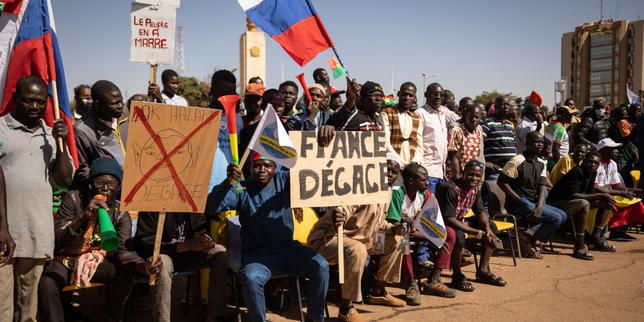
Burkina Faso completely cut its remaining diplomatic cords with France. This decision didn't happen in a vacuum. It followed a scathing resolution from the European Parliament that took aim at the ruling military junta. If you've been watching West Africa lately, you knew this storm was coming. The old order is dead.
For decades, Paris maintained a tight grip on its former colonies through political, economic, and military networks. Today, that entire framework is collapsing in real time. Captain Ibrahim Traoré, who took power in a late 2022 coup, made it clear that Burkina Faso will no longer tolerate European lecturing. The latest diplomatic rupture proves that the transition away from Western influence isn't a temporary phase. It's a permanent realignment.
When the European Parliament issued its critique, it expected the usual diplomatic back-and-forth. Instead, Ouagadougou reacted with swift, absolute finality. They packed up what was left of their historical relationship and showed the French diplomats the door.
The European Parliament Resolution That Broke The Camels Back
The flashpoint arrived when European lawmakers passed a harsh resolution targeting Burkina Faso's military government. The text condemned human rights abuses, lamented the lack of a clear return to civilian rule, and expressed deep anxiety over the country's growing alignment with Russia. European politicians thought they were standing up for democratic principles. The junta saw it as a direct assault on their national sovereignty.
What Western analysts consistently get wrong is how these reprimands play out on the ground. To Traoré and his supporters, external criticism acts as political fuel. It validates their narrative that foreign powers want to keep Burkina Faso weak and dependent. Within hours of the vote in Strasbourg, the government in Ouagadougou made its move. They blamed France for orchestrating the European condemnation.
The retaliation was absolute. Diplomatic channels were closed. French officials were ordered out. The message was unmistakable. If Europe wants to dictate terms, Burkina Faso will simply stop talking to Europe.
Decades Of Resentment Behind The Sudden Split
You can't understand this breakup by only looking at recent news. The roots run deep into the history of asymmetric relations between Paris and West Africa. For years, the civilian governments in Ouagadougou relied heavily on French military intervention to hold back Islamist insurgencies. French troops under Operation Sabre operated freely across the region.
But the security situation didn't improve. It got worse. Year after year, terrorist groups expanded their reach, killing thousands and displacing millions of Burkinabè citizens. The public grew tired of watching foreign soldiers patrol their streets while their own communities burned.
- The military intervention failed to secure the countryside.
- Local forces felt sidelined and poorly equipped compared to their Western partners.
- Public anger boiled over, creating the perfect conditions for military leaders to seize control.
When the military took over, they promised a radical shift in strategy. That shift required getting rid of the old partners who failed to deliver results. They expelled French special forces. They banned French media outlets like RFI and France 24, accusing them of spreading propaganda. Cutting diplomatic ties after the European Parliament resolution was merely the final nail in a coffin that had been under construction for years.
Enter Russia And The New Geopolitical Reality
When a country kicks out its traditional security partner during an active insurgency, it needs a replacement. Burkina Faso didn't hesitate. They turned east. Russian military instructors and equipment began arriving shortly after the French exit.
This wasn't just about buying weapons. It was a complete philosophical pivot. Moscow offers something the West never could: security assistance without lectures on governance or human rights. For a military junta fighting for survival, that's an easy choice. They don't want Western oversight. They want results on the battlefield.
This shift reshaped the entire Sahel region. Burkina Faso, Mali, and Niger formed the Alliance of Sahel States. They broke away from the Western-backed regional bloc ECOWAS. They turned their backs on traditional alliances to build a new front against both local insurgencies and foreign interference.
The Immediate Security Reality On The Ground
Let's look at the harsh truth of what this means for ordinary people living in Burkina Faso. Diplomatic victories feel good in the capital city, but they don't automatically clear out insurgent camps in the rural provinces. The security situation remains incredibly fragile.
The junta gambled everything on a strategy of total mobilization. They recruited tens of thousands of civilian volunteers to fight alongside the regular army. They bought new drones and heavy weaponry from Russia and Turkey. In some areas, these actions helped recapture territory and secure key transport routes.
In other regions, the fighting intensified. The insurgent groups connected to Al-Qaeda and Islamic State responded with brutal blockades of major towns. The human cost is staggering. Millions need food aid, and schools across the north and east remain closed. By severing ties with France and alienating the European Union, Burkina Faso cut itself off from massive humanitarian and development budgets. They are betting that military victory will solve everything, but the economic strain is growing heavier by the day.
How This Impacts The Wider West African Region
The ripples of this diplomatic break extend far beyond the borders of Burkina Faso. It marks a total collapse of Western strategy in the Sahel. For decades, Washington and Paris viewed this region as a frontline in the global war on terror. They poured billions into training programs, bases, and intelligence sharing.
That entire architecture is gone. The exit of France from Mali, Niger, and now Burkina Faso creates a massive vacuum. Neighboring coastal states like Ghana, Togo, and Benin are watching with extreme nervousness. They worry that if the insurgencies break through the Sahel, their own northern borders will be next.
These coastal countries now face a difficult choice. Do they maintain their traditional Western ties, or do they adjust to the new reality created by the Alliance of Sahel States? The old regional consensus is fractured beyond repair.
The Economic Consequences Of Walking Away From Europe
Sovereignty isn't free. It comes with a massive bill. Burkina Faso's decision to break with France means navigating a complex economic minefield without a safety net. The country still uses the CFA franc, a currency tied to the euro and historically guaranteed by the French treasury, though plans for a new regional currency are frequently discussed.
Western development projects are freezing up. Funding for roads, hospitals, and clean water systems from European donors is drying to a trickle. The junta insists they can replace this with internal tax revenue and new partnerships with non-Western nations. They are courting investments from China, Iran, and Russia to develop their gold mining sector, which remains the country's economic engine.
It's a high-stakes experiment. Gold mining keeps the government afloat for now, but illegal mining sites often fund the very insurgents the army is trying to destroy. Managing this resource war while cut off from global financial systems will test the junta's survival skills to the absolute limit.
Actionable Steps For Tracking The Sahel Realignment
The situation changes rapidly. If you want to understand how this geopolitical shift develops over the coming months, stop focusing on standard diplomatic statements. Watch these specific indicators instead.
First, track the gold export data and mining concessions. Whichever countries secure the rights to Burkina Faso’s gold mines will hold the real leverage over the country's political future. Look for new agreements signed with non-Western state corporations.
Second, monitor the operational status of the Alliance of Sahel States. Watch whether Burkina Faso, Mali, and Niger successfully integrate their military commands or if logistical hurdles stall their joint operations. Their ability to fight as a unified bloc determines their survival.
Third, look at the northern borders of Ivory Coast and Togo. If insurgent attacks increase in these areas, it means the security crisis is spilling out of the Sahel, forcing coastal nations to rethink their own defense partnerships.
The era of French dominance in West Africa is officially over. Ouagadougou made its choice clear. They prefer the risks of total independence and new, unpredictable alliances over the familiar constraints of the past. There is no going back.