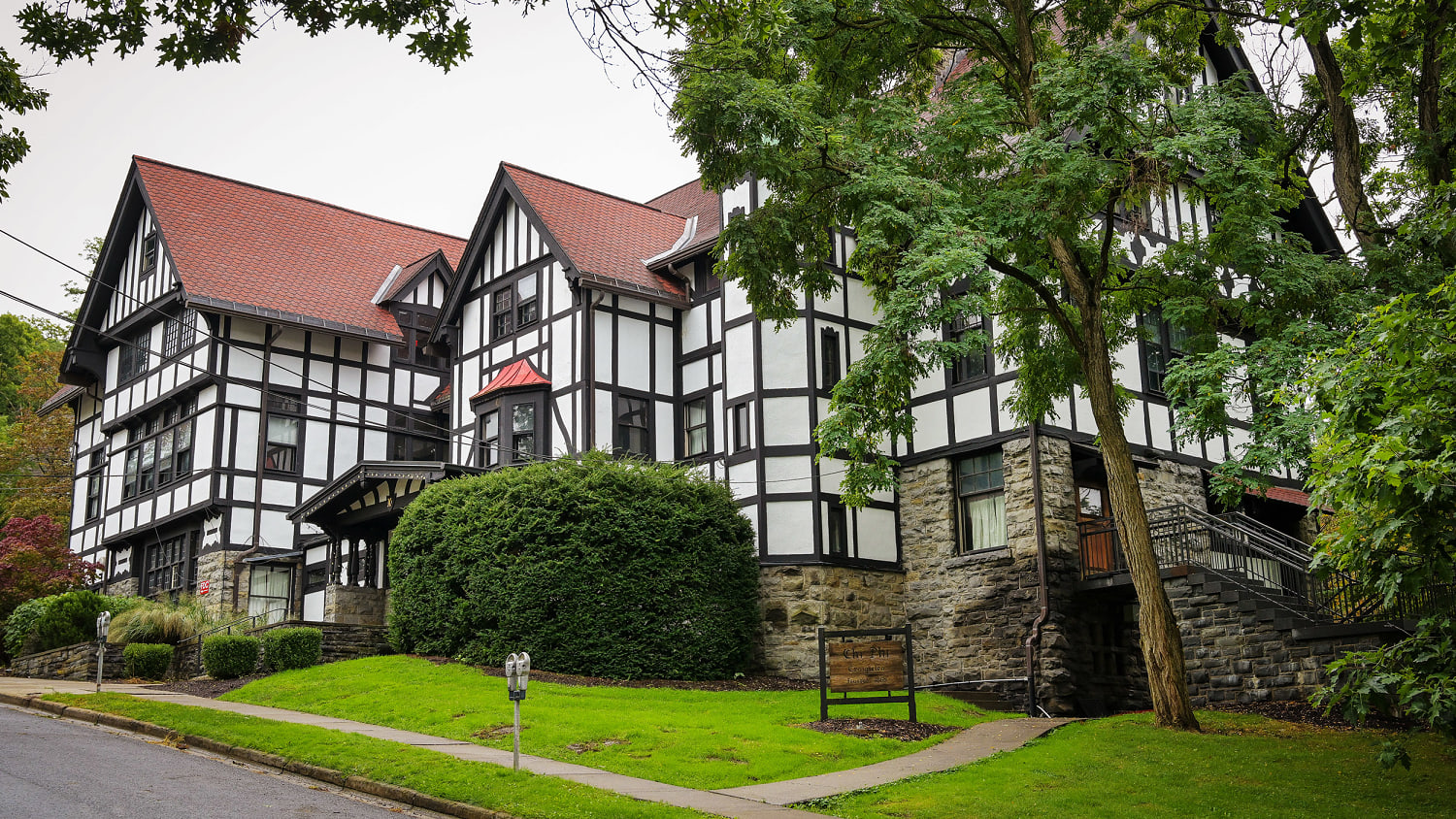
The media wants you to weep for the romantic exile. Every standard report covering the recent High Court defeat over Hopwood Hall follows a predictable script. A Hollywood filmmaker crosses the Atlantic, trades Los Angeles sunshine for Lancashire drizzle, pours hundreds of thousands of pounds into a 600-year-old ancestral ruin dubbed Downton Shabby, and gets brutally locked out by a heartless local council. Tragic, right?
Wrong.
The lazy consensus treats this legal showdown as a classic David versus Goliath fable. Bureaucrats crushing the dreams of an optimistic creative. But step back from the sentimental narrative and look at the actual math of heritage real estate. Acquiring a dilapidated 60-room historic mansion for a single pound is not a bargain. It is a financial trap designed to swallow fortunes, and anyone who believes romantic sweat equity can overcome multi-million-pound engineering realities deserves the court bill they receive.
Let us define the core misunderstanding. A one-pound purchase price does not mean a one-pound project. When Rochdale Council handed over the keys under a conditional agreement years ago, the implicit contract was straightforward: bring a credible, fully-funded commercial architecture strategy to the table, or get out of the way. Pushing a wheelbarrow and clearing dry rot with volunteers makes for great press releases, but it does not fix a medieval roof structure requiring tens of millions in specialized stabilization.
I have watched well-meaning dreamers blow millions on legacy properties across Europe, treating historic preservation like an indie film production where sheer passion substitutes for a balanced balance sheet. When the initial capital runs dry and the real funding models fail to materialize, the romantic narrative always shifts to institutional betrayal. The council did not abruptly change its mind out of malice. They woke up to the mathematical reality that a 30 to 40 million pound restoration gap cannot be bridged by wishful thinking and community crowdfunding.
High Court Judge David Hodge ultimately ruled that the strict conditions for the property transfer were never met, sticking the filmmaker with a massive legal tab estimated well into six figures. Commentators are screaming about injustice. They ignore the uncomfortable truth that public bodies have a fiduciary duty to taxpayers to protect historical assets from permanent limbo. Handing over a nationally significant Grade II-listed structure to someone whose primary asset is ancestral sentimentality is municipal malpractice.
If you are going to take on a historic architectural artifact, stop hiding behind heritage daydreams. The rules of capital allocation do not bend for a famous bloodline. Real preservation requires hard funding, ironclad logistical projections, and the capital reserves to back them up from day one. Anything less is just expensive cosplay.
US filmmaker loses Downton Shabby High Court mansion battle
This video report breaks down the High Court ruling and the bitter reality behind the failed castle restoration project.