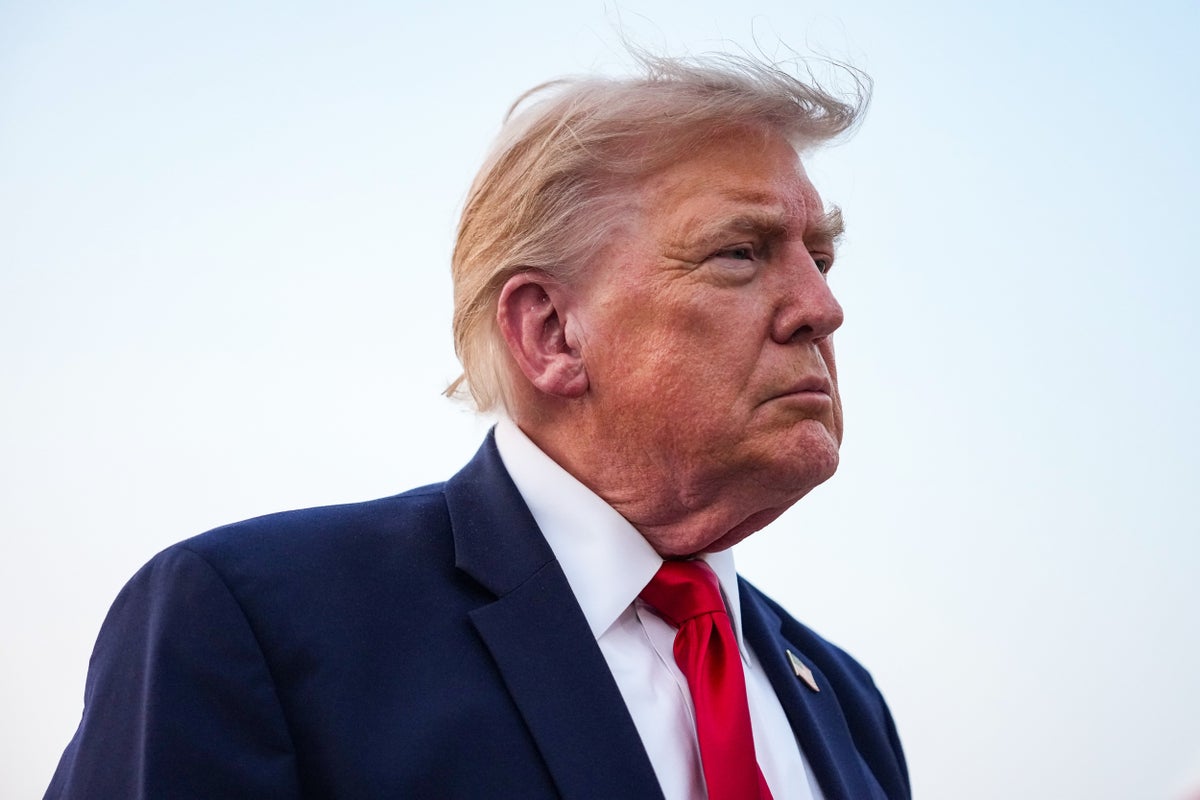
Pundits love to wave polling numbers like a battle flag. The latest YouGov data shows 52% of Americans choose the word "dangerous" to describe Donald Trump. Corporate media outlets immediately jumped on the statistic with collective sighs of relief, declaring that voters finally see the threat, that the mask is off, and that the electorate is ready to reject the chaos.
They are completely misreading the room.
Assuming that labeling a political figure "dangerous" automatically destroys their appeal reveals a fundamental misunderstanding of modern voter psychology. Media strategists view "dangerous" as an insult. Millions of voters view it as a job qualification.
When institutions fail for decades, voters do not want a polite caretaker. They want a wrecking ball.
The Weaponization of "Dangerous"
For twenty years, political commentators operated under a simple assumption: candidates must project stability, institutional respect, and predictability. That model worked when voters trusted the institutions. It collapses when trust in media, Congress, and federal agencies sits near historic lows.
When a pollster asks an average voter if Trump is "dangerous," mainstream analysts assume the respondent means "dangerous to me."
That is wrong.
To a massive swath of the electorate, "dangerous" means dangerous to Washington insiders, dangerous to entrenched bureaucracies, and dangerous to corporate interests that have spent decades exporting American manufacturing.
Imagine a system where voters feel completely ignored by both political parties. In that environment, electing someone perceived as predictable guarantees more of the same outcome. Electing someone perceived as dangerous introduces volatility—and volatility is the only state where system overhaul becomes possible.
The Flawed Logic of Polling Headliners
Look closer at the same polling data that headlines ignore. While 52% describe Trump as "dangerous," 43% simultaneously call him "bold." Among Republicans, 86% view the opposition as the true threat to national stability, while viewing their candidate's aggression as necessary defense.
The media treats "dangerous" as a total consensus word, but the breakdown tells a totally different story:
- Democratic Voters: 86% use "dangerous" as an indictment of authoritarian risk.
- Republican Voters: 76% use "strong" and 73% use "bold" to describe the exact same actions.
- Independent Voters: Split directly down the middle, prioritizing economic output and price tags over rhetorical norms.
When opponents repeat the word "dangerous" on television every night, they believe they are running an effective negative campaign. In reality, they are reinforcing the exact brand identity that brought Trump to power in the first place: the ultimate outsider whom the political establishment fears above all else.
Why Safe Candidates Keep Losing
Establishment strategists keep trying to sell voters on "safe" leadership. They run campaigns built on policy whitepapers, institutional decorum, and steady hands.
It fails because voters are not looking for safety. They are looking for power.
Political psychologist Karen Stenner identified this dynamic years ago: when populations feel threatened by rapid economic change or social instability, they do not crave moderate consensus. They seek strong leaders willing to break rules to protect their interests.
By constantly emphasizing how much Trump breaks rules and threatens norms, critics inadvertently confirm his credentials to the very voters seeking a rule-breaker.
The Trap of Moral Superiority
Campaigns built entirely on warning voters about danger make one catastrophic mistake: they assume voters love the existing system.
I have spent years watching political campaigns waste hundreds of millions of dollars trying to convince working-class voters that national institutions are under threat. The brutal truth? Millions of working-class voters want those institutions threatened. They do not view regulatory bodies, international trade agreements, or political conventions as sacred shields. They view them as instruments that failed them.
Telling an angry voter that a candidate is going to upend Washington does not scare them. It sounds like a promise.
If opponents want to defeat a populist movement, running on the platform of "protecting the system" is tactical suicide. You cannot defend the status quo to an electorate that hates the status quo.
Stop telling voters that the threat is real. They already know. They voted for it.


