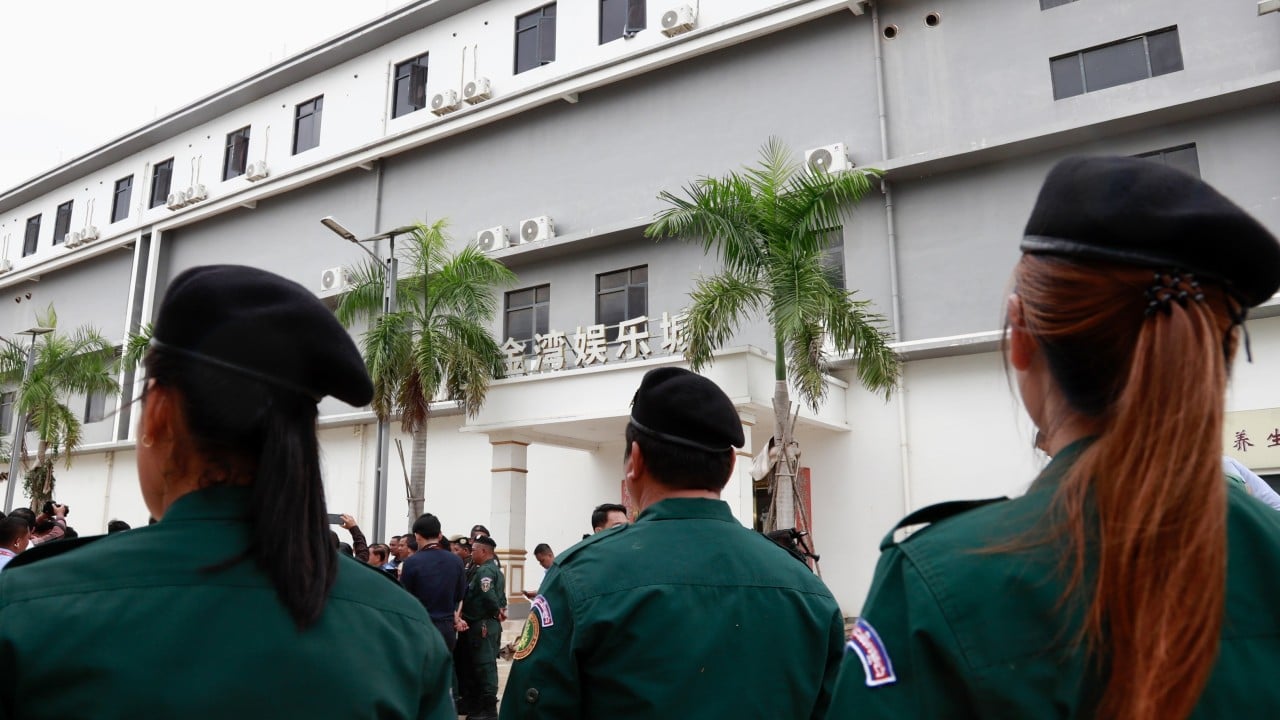
Walk down certain streets in Sihanoukville or the border towns of Cambodia, and you'll see the physical fallout of a multi-billion-dollar criminal enterprise. Empty mega-compounds, heavily barred windows, and abandoned security guard posts tell a story that official government press releases try to gloss over. When Phnom Penh hosted a high-profile anti-scam summit to showcase its aggressive crackdown on industrial-scale cyber fraud, international observers didn't break out the champagne. They brought skepticism. And frankly, they had every reason to.
For years, Cambodia turned a blind eye while transnational syndicates transformed coastal cities and remote enclaves into high-tech scam prisons. Thousands of foreign workers—lured by fake high-paying job advertisements—found themselves trapped behind barbed wire, forced to run crypto scams and romance frauds under the threat of physical violence, starvation, and electric shocks. When the international outcry reached a boiling point, the government launched raids, deported ringleaders, and boldly declared that the multi-national scam compounds had been entirely eradicated.
The summit was meant to draw a line under that dark chapter. Instead, it highlighted a massive credibility gap.
The Reality Behind Closed Compound Gates
Human rights groups like Amnesty International and various regional investigators haven't bought the narrative that the problem is solved. Their findings point to a disturbing truth: raiding a few visible casino complexes and arresting low-level operatives doesn't dismantle a system protected by deep-rooted political and economic connections.
Investigative reports have repeatedly shown that private security companies guarding these compounds often feature ties to military or police figures. When guards use electric batons to keep trafficked workers in line, they are frequently operating with a level of impunity that local law enforcement cannot—or will not—touch.
Even when high-profile sweeps happen, the syndicates adapt. Criminal networks have largely decentralized, abandoning massive walled compounds for smaller, harder-to-track setups inside luxury condominiums, ordinary guesthouses, and isolated rental villas. You don't solve transnational human trafficking just by clearing out a few notorious real estate developments. You solve it by cutting off the institutional corruption that allows the organizers to operate out in the open.
Why International Partners Remain Cautious
Foreign governments and regional bodies attended the summit, but diplomatic applause was muted. Countries like China, India, Indonesia, and Vietnam have had to repatriate thousands of their citizens who were rescued from these exact compounds. For these nations, a PR event hosted by Cambodian officials doesn't erase the trauma experienced by trafficked victims or the billions stolen from everyday people worldwide.
Trust takes years to build and seconds to shatter. To convince the international community that Cambodia is genuinely safe for foreign investment and tourism, leaders in Phnom Penh need to move past cosmetic crackdowns. That means transparent investigations into elite-level enablers, rigorous screening of rescued workers to ensure they aren't treated like criminals, and independent oversight of security contractors.
Until those structural
Why Cambodia Hosting An Anti-Scam Summit Left Everyone Skeptical
news
Cyber scam compounds in Southeast Asia aren't just local law enforcement headaches anymore. They are a massive transnational crisis. Cambodia recently stepped up to host a high-profile regional summit aimed at tackling these industrial-scale operations.
Yet, the room wasn't cheering. Skepticism hung thick in the air, and for good reason.
If you look past the official press releases and handshakes, the reality on the ground tells a much messier story. Billions of dollars flow through underground financial networks, hundreds of thousands of trafficked workers remain trapped behind barbed wire, and critics are asking a very simple question. Can a government accused of looking the other way actually lead the cleanup?
The Scale of the Crisis
You cannot understand the skepticism without grasping the sheer magnitude of the scam economy in Cambodia. These aren't small-time phishing operations running out of a basement. They are sprawling compounds, often disguised as hotels or casinos, operating out of coastal cities like Sihanoukville or remote border regions.
Syndicates run these complexes like corporate entities. They use human trafficking networks to lure job seekers from across Asia and Africa with promises of high-paying tech support or customer service jobs. Once they arrive, their passports get confiscated. They face brutal physical abuse, forced labor, and endless quotas to scam people worldwide through crypto schemes and romance traps.
The United Nations estimates that hundreds of thousands of people are trapped in these compounds across Southeast Asia, with Cambodia serving as one of the primary hubs. When a government invites international delegates to talk about cooperation while these concrete fortresses still operate with relative impunity, cynicism is inevitable.
Why Trust Is Broken
Diplomacy relies on credibility. Right now, Cambodia lacks a surplus of it regarding this specific issue.
Investigative reports by journalism outfits and human rights organizations have repeatedly pointed to deep ties between powerful local elites and the owners of these scam compounds. Property ownership records often lead straight to politically connected figures. While police occasionally raid a facility, these actions often look like theatrical compliance rather than genuine disruption. Workers get shifted to new locations before the raids happen, or low-level operatives take the fall while the kingpins vanish.
When international bodies like ASEAN or individual nations like China and the United States push for accountability, local authorities often respond with denial or deflection. They claim the problem is exaggerated by foreign media or that they are doing everything within their power.
This dynamic turned the anti-scam summit into an awkward exercise in public relations. Delegates spoke of regional coordination and intelligence sharing, but everyone in the room knew that real progress requires dismantling domestic protection rackets. Until local officials start arresting high-level perpetrators instead of staging cosmetic sweeps, summits remain just talk.
The Regional Pressure Cooker
Cambodia isn't acting in a vacuum. Beijing is breathing down Phnom Penh's neck. A massive share of the victims targeted by these syndicates are Chinese citizens, and public pressure inside China has forced Beijing to demand action from its neighbors.
At the same time, Western governments are slapping sanctions on prominent Cambodian business figures linked to human trafficking and financial crimes. The economic cost of being viewed as a global scam capital is finally hitting home. Tourism is sluggish, foreign direct investment faces headwinds, and the country's international reputation is taking a severe beating.
Hosting the summit was an attempt to change that narrative. It was a play to show the world that Cambodia wants to be part of the solution rather than the anchor holding the region back. But optics only work when they match reality.
What Real Reform Looks Like
If Cambodia wants to shed its reputation as a haven for cyber slavery, the path forward requires radical transparency, not conference rooms and coffee breaks.
First, independent NGOs and international monitors need unhindered access to suspected compounds. Right now, rescue operations are chaotic, dangerous, and heavily restricted.
Second, the financial pipelines must face a complete blockade. These syndicates rely heavily on local banks, real estate markets, and digital wallets to launder billions of dollars. If authorities start freezing accounts and seizing property belonging to the actual owners of these scam complexes, the business model collapses overnight.
Third, whistleblowers and trafficking survivors need protection, not deportation. Too often, rescued foreign nationals are treated like immigration violators rather than crime victims, locked up in detention centers before being sent home.
The summit happened. Speeches were given. Pledges were signed. But until the iron gates of those compounds swing open permanently and the people running them face actual justice, the skepticism isn't just justified. It's the only rational response left.