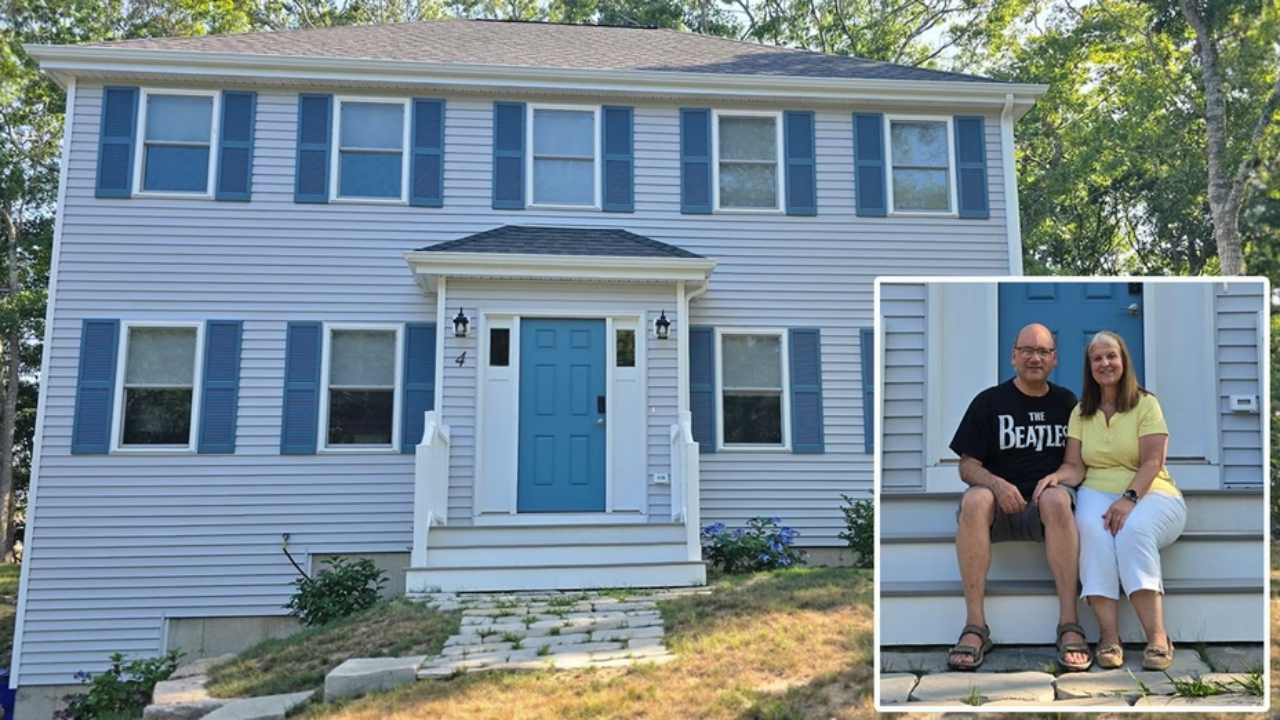
Building a custom residence in a regional market defined by strict environmental zoning, geographic isolation, and severe weather exposure demands a rigorous operational framework. When a couple finalizes construction on a newly built home in a market like Cape Cod, the milestone often masks the underlying inefficiencies of the procurement and project management lifecycle. Standard narratives focus on aesthetic choices and lifestyle outcomes while ignoring the core mechanics of residential construction economics: supply chain bottlenecks, municipal regulatory friction, and labor allocation constraints. Deconstructing the reality of custom home building reveals a predictable sequence of variables that dictate whether a project succeeds or incurs massive cost overruns and timeline slippage.
The Regulatory Constraint Matrix
Regional municipal boards enforce strict architectural guidelines and environmental protections that directly impact building velocity and material selection. In coastal zones, jurisdiction often spans local historic districts, conservation commissions, and state-level environmental protection departments. Each entity introduces distinct compliance hurdles.
- Setback and Footprint Limits: Zoning bylaws restrict total lot coverage, forcing complex engineering solutions for spatial optimization.
- Resource Protection: Wetland protection acts require exhaustive hydrological studies before foundation excavation can legally commence.
- Material Mandates: Historic districts enforce strict compliance regarding exterior finishes, roofing materials, and fenestration styles, effectively eliminating cost-effective procurement options.
Navigating this matrix requires a sequential approval strategy. Contractors who fail to secure pre-clearance for long-lead items before submitting final architectural plans routinely experience months of dead time. The primary variable is not municipal bureaucracy itself, but the developer's failure to map the critical path against local administrative review cycles.
The Supply Chain and Labor Logistics Function
Executing a custom build on a peninsula introduces severe logistical friction. Material transport costs scale non-linearly due to bridge tolls, limited transit corridors, and the physical distance from primary industrial distribution hubs in major metropolitan centers.
Labor availability operates under similar constraints. The regional construction market suffers from a chronic shortage of specialized tradespeople, particularly finish carpenters, marine-grade metal fabricators, and certified HVAC technicians. This labor scarcity creates a seller market where subcontractors dictate timelines rather than general contractors.
A project schedule is only as reliable as the weakest link in the subcontractor chain. When framing crews slip by two weeks, electrical rough-ins, plumbing inspections, and insulation installations cascade outward, compressing the timeline for interior finishes and driving up general conditions costs.
To quantify project exposure, stakeholders must evaluate the friction coefficient of local trade networks. A high friction coefficient means higher hourly rates, reduced oversight, and an increased probability of rework due to rushed execution.
Structural Durability Economics and Environmental Exposure
Building within a coastal marine environment forces a departure from standard residential construction specifications. High wind loads, salt spray, and extreme freeze-thaw cycles degrade sub-optimal materials within years rather than decades.
- Envelope Integrity: Continuous insulation and advanced air barriers must supersede traditional fiberglass batting to manage vapor diffusion and prevent interstitial condensation.
- Fastener Specification: Standard galvanized fasteners fail rapidly in marine air. Transitioning exclusively to stainless steel or specialized silicon bronze increases initial capital expenditure while eliminating catastrophic structural degradation risks.
- Foundation Mechanics: Elevated foundations or reinforced pilings require precise geotechnical engineering to withstand storm surge dynamics and shifting coastal sands.
The financial trade-off involves balancing upfront capital allocation against lifecycle maintenance costs. Opting for code-minimum materials guarantees higher failure rates and steeper maintenance outlays over a ten-year holding period.
The True Cost of Schedule Variance
Financial planning for custom construction frequently relies on static budgeting rather than dynamic risk modeling. A standard construction loan converts to a permanent mortgage upon completion, meaning every week of delay directly increases holding costs, interest exposure, and temporary housing overhead.
Total Project Cost = Direct Material/Labor + Indirect General Conditions + (Holding Cost per Day * Total Days Delayed)
When schedule variance occurs, general conditions—site supervision, portable sanitation, temporary power, and equipment rentals—accumulate daily. Mitigating this risk requires establishing guaranteed maximum price contracts with explicit liquidated damages clauses tied to milestone completions, aligning the general contractor's financial incentives with schedule adherence.
Portfolio Allocation and Long-Term Value Realization
Upon occupancy, the asset shifts from a development project to an illiquid real estate holding. The realized value of a custom build rarely equals the cumulative sum of land acquisition, soft costs, and hard construction expenses. Customization introduces idiosyncratic value risks; highly specific architectural choices often fail to appeal to the broader secondary market.
To maximize long-term asset performance, focus operational efforts on structural resilience, energy efficiency, and functional floor plan versatility rather than hyper-niche aesthetic customizations. Prioritize mechanical systems redundancy, high-grade insulation envelopes, and low-maintenance exterior cladding. Secure comprehensive warranties for all major mechanical plants, and institute a rigorous semi-annual maintenance schedule for roofing, drainage, and HVAC systems to protect the underlying asset valuation.