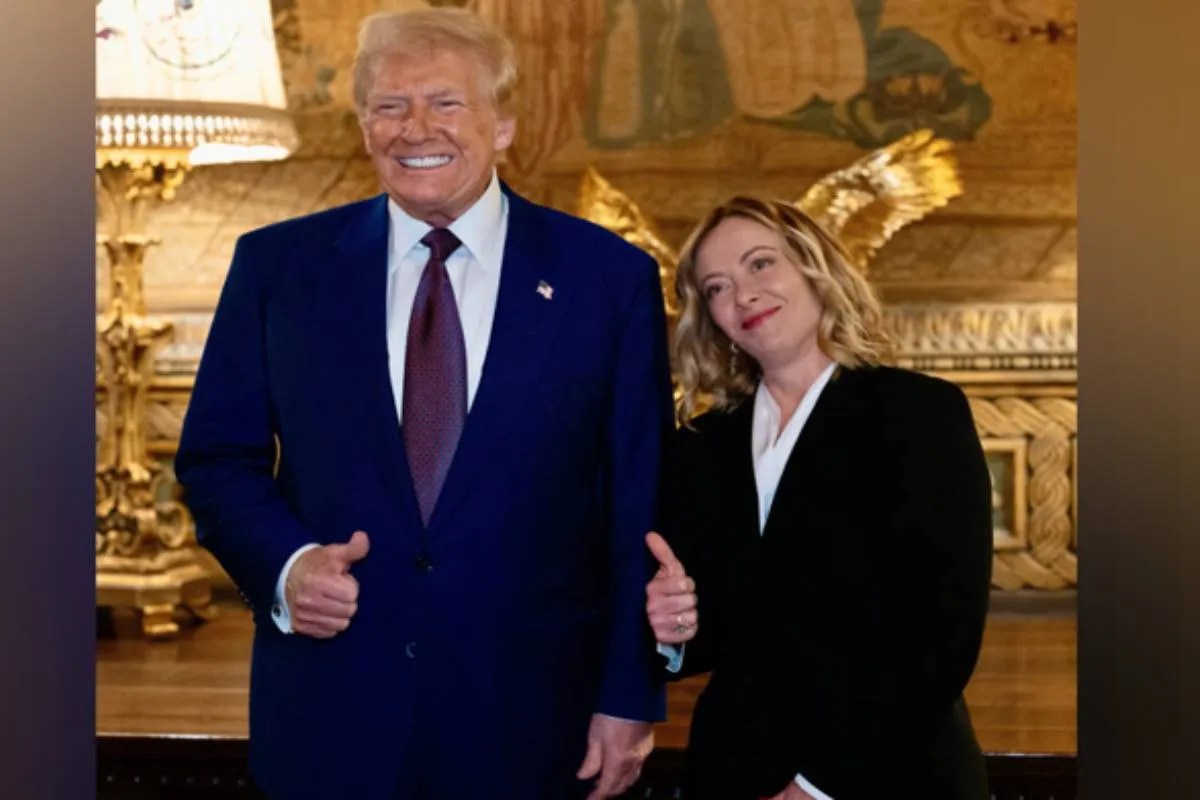
Italian politician Carlo Calenda recently made headlines by launching a fierce verbal assault on Donald Trump, branding him a lowlife and a cheap thug while taking a swipe at Prime Minister Giorgia Meloni for her strategic ambiguity toward Washington. The mainstream European press swallowed it whole. They framed Calenda’s outburst as a courageous defense of Western democratic values against the rising tide of transatlantic populism.
They got it entirely backward.
Calenda’s performative outrage is not statesmanship. It is a textbook manifestation of a deeper, systemic pathology afflicting the European political establishment: the delusion that moral grandstanding can substitute for actual geopolitical power. While centrist opposition leaders in Rome play to the cameras with high-minded insults, Meloni is quietly practicing cold, hard realpolitik. In the brutal world of international relations, pragmatism wins. Temper tantrums lose.
The Lazy Consensus of European Moral Superiority
For nearly a decade, the standard playbook for a specific class of European politician has been remarkably simple. When your domestic polling numbers stall, or when you lack a coherent economic vision for your country, you point across the Atlantic, find the nearest microphone, and denounce the American populist right. It requires zero political courage, satisfies the elite echo chamber, and costs absolutely nothing in the short term.
This lazy consensus rests on the flawed premise that international diplomacy is a high school popularity contest governed by shared manners and etiquette. It is not. It is an anarchic system driven by national interest, resource allocation, and hard military capabilities.
When Calenda castigates Trump, he is not speaking from a position of strength. He is speaking from the perspective of an entitled dependent. Europe has spent the last thirty years outsourcing its security to the United States military and its economic growth to cheap foreign energy. To turn around and lecture the potential future leader of your primary security guarantor is not brave. It is reckless.
Realpolitik vs. Rhetoric: The Meloni Strategy
Let’s look at the actual mechanics of governance. Giorgia Meloni’s approach to Washington is frequently criticized by her domestic opponents as opportunistic. In reality, it is the only logical survival strategy for a medium-sized European power navigating a fracturing global order.
Meloni understands a fundamental truth that her critics choose to ignore: you do not pick the leader of the free world; you deal with whoever holds the keys to the Oval Office.
Trump operates on a strictly transactional model of foreign policy. He views alliances not as sacred, eternal covenants, but as business arrangements. He respects strength, domestic sovereignty, and tangible contributions. He despises freeloaders and moral lectures from debtor nations.
Consider how different strategies play out under a transactional American administration:
| Strategy Type | Actions | Expected Outcome |
|---|---|---|
| The Calenda Approach (Rhetorical Warfare) | Public insults, moral lecturing, ideological purity tests. | Complete diplomatic isolation, punitive tariffs, loss of intelligence sharing. |
| The Meloni Approach (Transactional Pragmatism) | Strategic silence on domestic US politics, meeting defense spending targets, bilateral trade focus. | Maintained security guarantees, exemptions from blanket tariffs, leverage within NATO. |
By refusing to join the chorus of performative condemnation, Meloni preserves Italy’s diplomatic flexibility. If Trump takes office, Rome has an open channel. If a Democrat takes office, Italy remains a core NATO ally. It is a hedged bet. Calenda’s approach, conversely, burns the bridge before you even know if you need to cross it.
The Defense Free-Rider Problem Nobody Wants to Admit
The core hypocrisy of the European anti-Trump narrative lies in the defense budget. For decades, the North Atlantic Treaty Organization (NATO) has operated under a gentleman's agreement that member states should spend at least 2% of their GDP on defense. For decades, major European economies treated that target as a polite suggestion.
Trump did not create the fracture within NATO; he merely pointed out that the emperor had no clothes. He stated, with characteristic bluntness, that America would not automatically defend nations that refuse to pay for their own security.
I have spent years analyzing the defense procurement pipelines and budget allocations of Mediterranean nations. The math is brutal. Italy’s defense spending has historically hovered well below the 2% threshold. When political figures scream that Trump is undermining the alliance, they are trying to distract you from their own failure to fund their own militaries.
If you want the right to call an American president a thug, you need to have the military hardware to back up your independence. If your security architecture collapses the moment the US Seventh Fleet changes course, you keep your mouth shut and your diplomats working.
Dismantling the Precedent: The Myth of the Sacred Alliance
A common argument from the establishment is that criticizing Trump is necessary to protect the "rules-based international order." This is a comforting myth sold to voters to make them feel like part of a grand ideological crusade.
The reality? The rules-based order has always been a thin veneer over American hegemony. When American interests align with global rules, the rules are enforced. When they clash, the rules are ignored. This was true under Bush, true under Obama, true under Trump, and true under Biden.
European leaders who believe that a change in the White House will bring back a golden age of selfless American benevolence are living in a fantasy world. The pivot to Asia is real. The American electorate is exhausted by foreign entanglements. Protectionism is now a bipartisan consensus in Washington. The Inflation Reduction Act passed under a Democratic administration did more damage to European industrial competitiveness than most of Trump’s first-term tariffs.
Calenda’s obsession with Trump’s personality completely misses this structural shift. The problem isn't one man's rhetoric. The problem is that the United States is fundamentally changing its relationship with the rest of the world, and Europe is utterly unprepared for the fallout.
The True Cost of Cheap Moralizing
There is a distinct downside to the contrarian reality I am laying out. It forces a nation to accept a certain level of cynicism. It requires leaders to shake hands with individuals whose domestic policies or personal conduct they might personally detest. It means prioritizing national survival over emotional satisfaction.
But the alternative is far worse. The alternative is a foreign policy based on vibes, tweets, and talk-show appearances.
When an Italian politician uses a major domestic platform to launch a personal attack on an American presidential candidate, they are gambling with their country’s economic and strategic future just to score a few transient points on evening television. They are risking future intelligence sharing, defense collaboration, and trade agreements for the sake of an applause line.
Stop asking whether Donald Trump is a nice person or a conventional politician. That is the wrong question entirely. The only question that matters for a European statesman is: how do we leverage our position to ensure our economic survival and territorial integrity in a world where Washington no longer offers a blank check?
Meloni’s silence is an answer. Calenda’s noise is just a confession of irrelevance.
Build the factories. Fund the militaries. Secure the supply chains. Leave the name-calling to people who don't have a country to run.