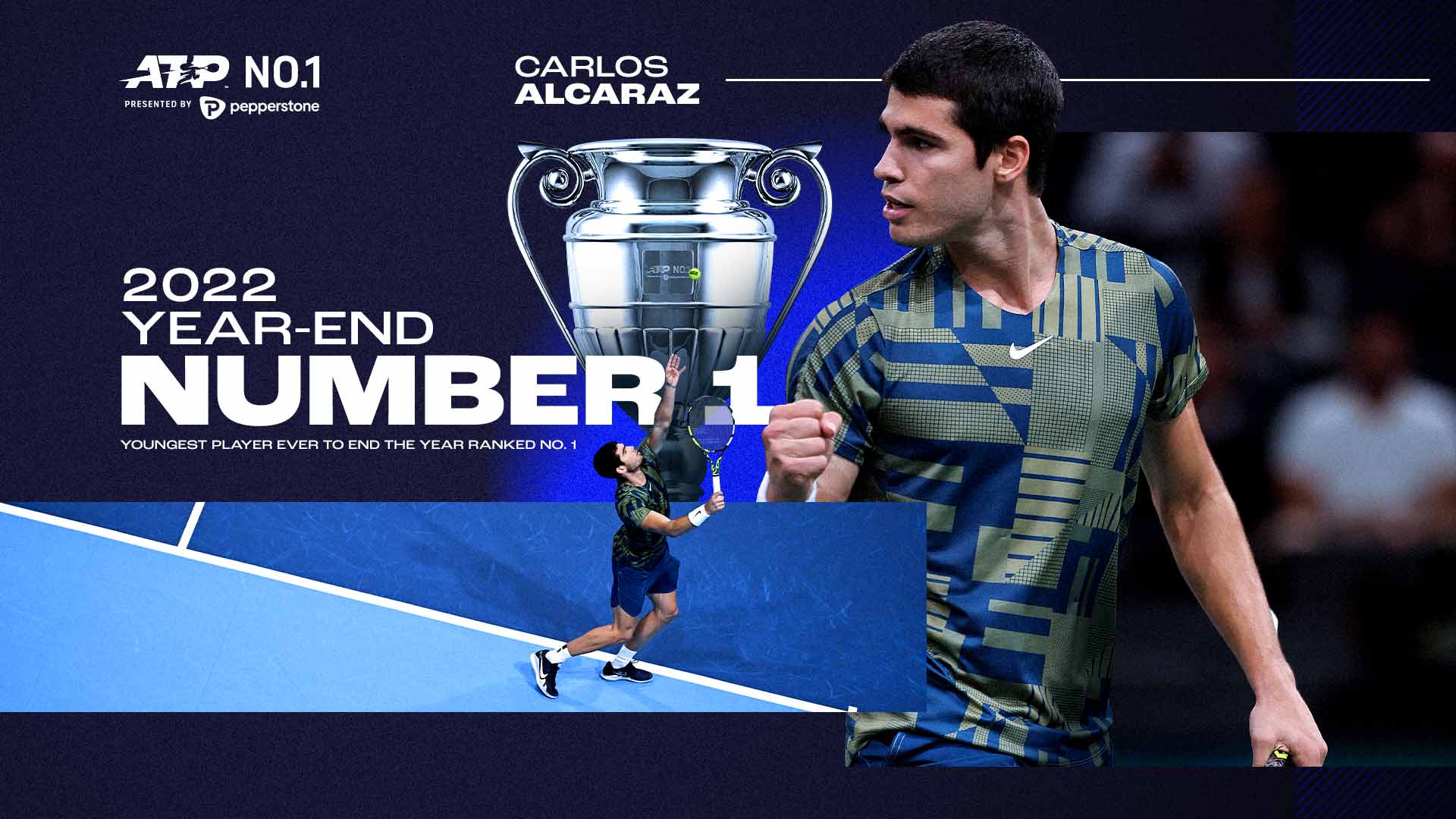
The clay courts of Roland Garros don't forgive weakness. For Carlos Alcaraz, the dream of a historic third consecutive title wasn't killed by a better player or a tactical collapse. It was betrayed by his own body. A persistent right wrist injury forced the Spaniard to withdraw, effectively ending his bid for a French Open threepeat before the first ball of the main draw even crossed the net.
If you've followed Alcaraz over the last two seasons, you knew this was coming. The warning signs were everywhere. He skipped Monte Carlo. He struggled through Madrid with a heavy compression sleeve. He looked human for the first time in years. This isn't just about one missed tournament; it's a massive shift in the power dynamics of men's tennis.
The Cost of the Alcaraz Style
Carlos Alcaraz plays tennis with a level of violence that is both beautiful and terrifying. He doesn't just hit the ball. He punishes it. His forehand, specifically that whip-like motion that generates massive topspin, puts an astronomical amount of torque on the tendons in his wrist. When you play every point like your life depends on it, the bill eventually comes due.
Medical experts often point to the "loading" phase of the modern forehand. Because Alcaraz uses an extreme semi-western grip, his wrist undergoes intense radial and ulnar deviation at high speeds. It’s a lot for a 22-year-old body to handle, especially on the sliding, grinding surface of red clay where points last longer and the physical toll doubles.
We saw this pattern with Rafael Nadal early in his career. The "all-gas-no-brakes" approach works until the mechanics of the joint simply can't keep up with the ambition of the mind. This isn't a freak accident. It's the byproduct of a playing style that demands 100% output on every single swing.
Why a Threepeat Matters in Tennis History
Winning three French Open titles in a row is a feat reserved for the gods of the sport. Björn Borg did it. Rafael Nadal did it multiple times. In the modern era, being the "King of Clay" isn't just about skill; it's about durability. By missing this window, Alcaraz loses more than just a trophy. He loses the chance to establish a psychological stranglehold on the tour while he’s still in his physical prime.
The French Open is the most grueling test in tennis. Seven matches. Best of five sets. Sliding for four hours in the heat. To win three in a row, you have to be lucky as much as you are good. You need your body to cooperate for 21 consecutive matches over three years. Alcaraz was on the doorstep of that immortality. Now, the clock resets.
The Madrid Warning Shot
Looking back at the Mutua Madrid Open, the writing was on the wall. Alcaraz was clearly favoring the arm. He wasn't hitting through the ball with his usual conviction. He admitted in post-match interviews that he felt "discomfort" but hoped rest would solve it.
Rest didn't solve it. Inflammation in the pronator teres muscle or the wrist tendons rarely goes away with just a few days of icing. It requires a total shutdown. By trying to push through for the home crowd in Spain, he likely exacerbated the issue, turning a minor tweak into a season-altering setback.
The Vacuum at the Top of the Rankings
With Alcaraz out, the French Open draw is wide open, and the world rankings are about to get messy. He had 2000 points to defend. Dropping those points puts his world number one (or two) status in immediate jeopardy.
Sinner and Djokovic are the obvious beneficiaries, but the real story is the psychological lift this gives the rest of the field. When Alcaraz is in the draw, players go into matches hoping to survive. Without him, the mid-tier clay specialists suddenly see a path to the semifinals.
- Jannik Sinner: The rivalry everyone wanted to see is on ice. Sinner now has a clearer path to cement himself as the dominant force of 2026.
- Novak Djokovic: Never count out the veteran. With one less young lion to chase him down on the baseline, his path to another Slam looks significantly easier.
- The Clay Specialists: Players like Casper Ruud or Stefanos Tsitsipas, who have lived in the shadow of the Big Three and then Alcaraz, finally have a legitimate opening.
Managing a Career Instead of a Season
Alcaraz and his team, led by Juan Carlos Ferrero, have a massive decision to make. Do they change the technique? Or do they change the schedule?
Changing the technique is risky. That forehand is why he has multiple Slams. If you soften the blow, you lose the weapon. However, the schedule is something they can control. We are seeing the fallout of a tennis calendar that is too long and too demanding. If Alcaraz wants to be playing at 30, he can't keep playing every 500-level event like it's a Grand Slam final.
The focus has to shift entirely to recovery and longevity. It sucks for the fans. It sucks for the broadcasters. But it's the only way he avoids becoming a "what if" story.
What This Means for the Rest of 2026
The French Open withdrawal isn't just about Paris. It casts a massive shadow over Wimbledon and the hard-court season. Wrist injuries are notorious for lingering. If he returns too early for the grass season, where the ball stays low and requires even more wrist "flick" to generate lift, he could do permanent damage.
I wouldn't be surprised to see him sit out until the North American hard-court swing. It's a bitter pill to swallow, but the alternative is a career-ending chronic condition. He needs to look at the big picture.
The Reality of the Modern Tour
The game is faster than it has ever been. The strings are stiffer. The balls are heavier. Players are bigger and stronger. The human body hasn't evolved as fast as the equipment has. Alcaraz is the poster child for this evolution, but he’s also the first major victim of its intensity in this new generation.
He isn't the first player to deal with this, and he won't be the last. But seeing the "threepeat dream" die in a training session instead of a center court battle is a harsh reminder of how fragile greatness is.
If you're looking for the next move, watch his social media for "on-court" practice videos. If he isn't hitting full-speed forehands by mid-June, expect him to skip the grass entirely. The best thing he can do right now is stay away from a racket and let the inflammation subside. Fans need to temper their expectations for the summer. It’s a long road back from a dominant-hand wrist injury, and rushing it is the fastest way to lose the next five years of his career. Focus on the recovery, get the biomechanics checked, and come back when the "whip" doesn't come with a side of pain.
.png?width=1200&auto=webp&trim=0%2C0%2C0%2C0)