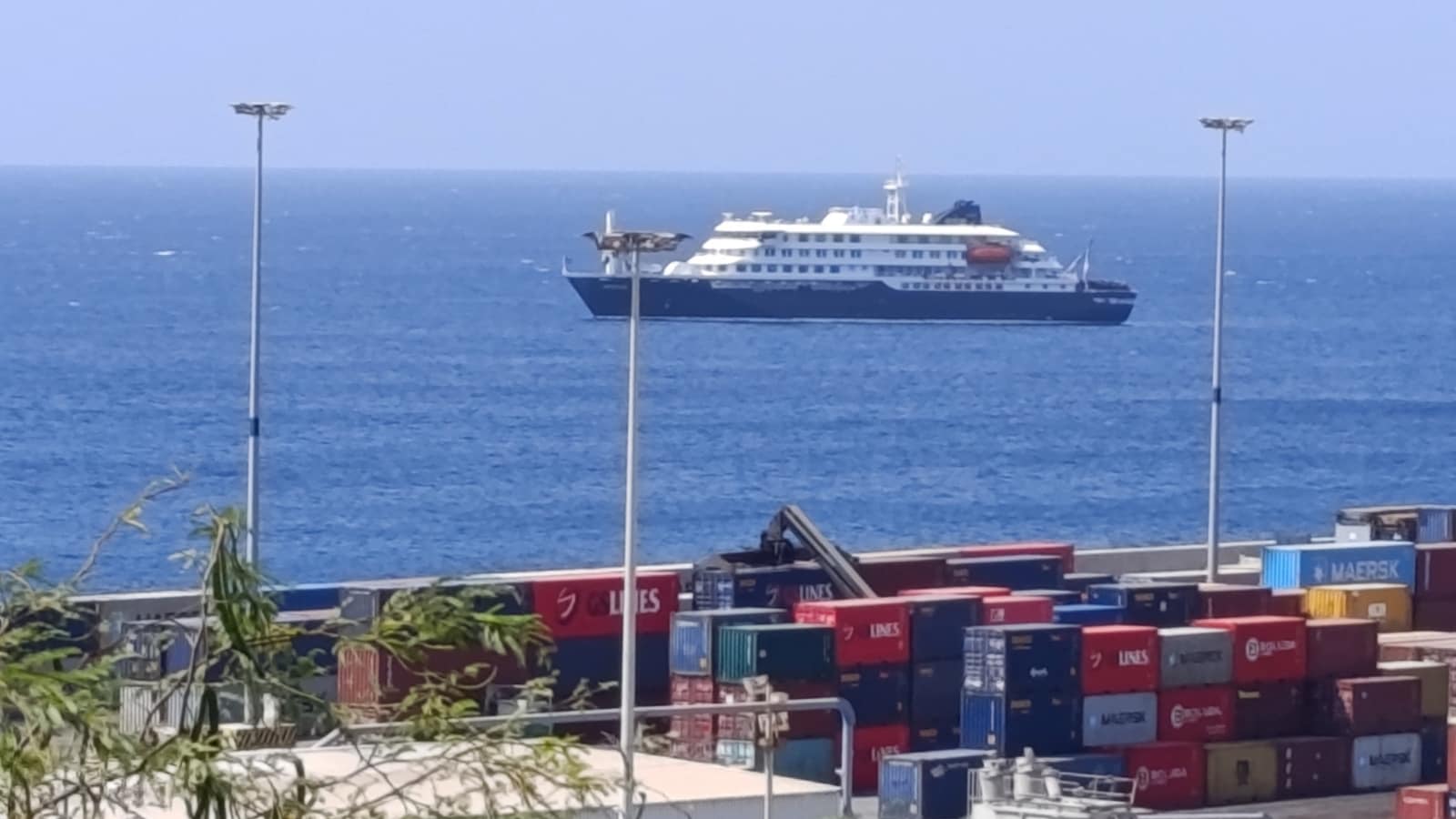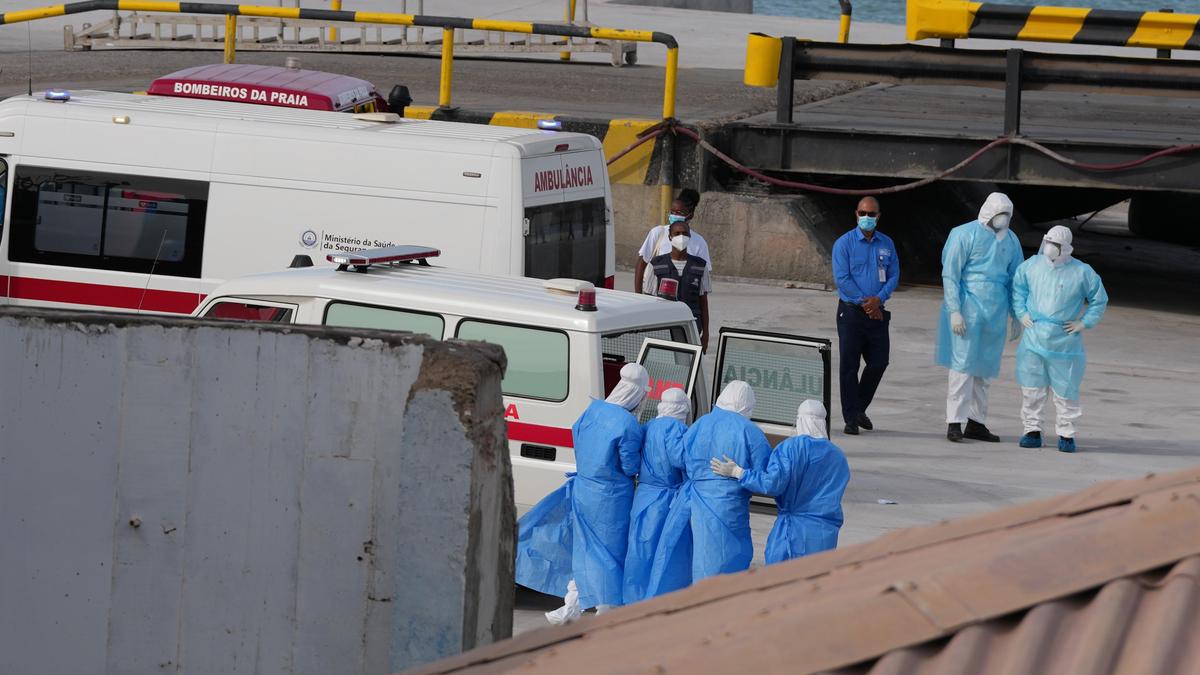
The CDC is currently monitoring U.S. travelers who may have been exposed to Hantavirus on a cruise ship, and it’s a situation that highlights exactly how fast a localized health scare can turn into a federal investigation. You might think of cruise ships as floating petri dishes for norovirus—that nasty stomach bug that makes everyone miserable for three days. But Hantavirus is different. It’s rarer, harder to catch, and significantly more dangerous. This isn't just another routine health update. It’s a wake-up call about how we track diseases in tight, communal spaces.
If you’re worried about your upcoming vacation, don't panic just yet. The risk to the average traveler remains low, but the CDC isn't taking chances because Hantavirus Pulmonary Syndrome (HPS) has a mortality rate of around 38%. When the stakes are that high, "low risk" still warrants a massive response. Health officials are retracing steps, contacting passengers, and looking for any sign that the virus moved from a specific environmental source to a human host. Meanwhile, you can read other developments here: The Invisible Cocktail in the Soil.
Understanding the Hantavirus Threat on the High Seas
Hantavirus isn't something you catch from a cough or a sneeze. It doesn't work like the flu or COVID-19. You get it from contact with the urine, droppings, or saliva of infected rodents—mostly deer mice, white-footed mice, rice rats, or cotton rats. The most common way people get sick is through "aerosolization." This happens when dried droppings or nesting materials are stirred up, and you breathe in those tiny, invisible particles.
On a cruise ship, this usually points to a very specific failure in the supply chain or maintenance. Rodents don't just appear in the middle of the ocean. They hitch rides in port, often hiding in food crates, linens, or deep within the mechanical guts of the ship. If a mouse is nesting in a ventilation duct or a storage locker and its waste becomes airborne, anyone nearby is in the line of fire. To understand the bigger picture, check out the recent article by Everyday Health.
The CDC’s current focus on U.S. travelers suggests they’ve identified a specific window of exposure. They aren't just looking at who is sick; they’re looking at who could be sick based on where they spent their time on the vessel. It’s a massive logistical puzzle.
Why the CDC is Aggressively Monitoring Passengers
Monitoring doesn't mean quarantine. At least, not yet. Right now, the CDC is using its manifest data to reach out to specific individuals. They're looking for symptoms that mimic the early stages of a dozen other illnesses. This is the tricky part. Hantavirus starts out feeling like a bad case of the flu. You’ll get fatigue, fever, and muscle aches, especially in the large muscle groups like the thighs, hips, and back.
Some people also get headaches, dizziness, chills, and stomach issues. Honestly, it’s easy to dismiss these symptoms when you’ve just finished a long trip. You’re tired. Your back hurts from an uncomfortable plane seat. You might think you just caught a "travel bug." But for Hantavirus, the "late phase" is the killer. Four to ten days after the initial symptoms, the lungs fill with fluid. Shortness of breath becomes severe. It feels like someone is tying a tight band around your chest or putting a pillow over your face.
The CDC is watching these travelers because once those respiratory symptoms start, things move fast. There’s no specific cure, vaccine, or treatment for Hantavirus. Medical professionals can only provide "supportive care," which usually involves a ventilator in an intensive care unit. The earlier that care starts, the better the odds. That’s why the federal government is knocking on doors and making phone calls.
The Logistics of Port Side Inspections
When the CDC gets involved with a cruise line, it’s not a friendly chat. The Vessel Sanitation Program (VSP) is the arm of the CDC that handles this. They perform unannounced inspections. They look at everything from the temperature of the buffet ham to the chlorine levels in the kids' pool.
In this case, the investigation likely involves a deep dive into the ship's integrated pest management plan. Every ship has one. They have to prove they are actively preventing rodents from boarding and nesting. If evidence of an infestation is found in a passenger-accessible area, the ship can be held in port or forced to undergo a massive remediation process.
What This Outbreak Says About Modern Travel Safety
We live in a world where we expect total safety in exchange for a ticket price. But cruise ships are massive, complex machines that dock in dozens of different environments. A ship might be in a pristine Alaskan port one week and a tropical port with different ecological risks the next.
This Hantavirus scare isn't just about one ship. It’s about the gaps in how we monitor environmental health. Most of the time, the CDC is looking for food-borne illnesses. That’s their bread and butter. Hantavirus is an "environmental" pathogen, which means the ship itself—the physical structure—became the vector.
Misconceptions About Hantavirus Transmission
Let’s clear something up. You cannot catch this from another person. If your cabin mate has Hantavirus, you aren't going to catch it from their breath. The only exception is a very specific strain found in South America (Andes virus), but the CDC’s current monitoring is focused on the strains found in North America.
This is good news for containment. It means the "outbreak" is limited to people who were in the same physical space as the rodents. It’s not going to sweep through a city like a new variant of a respiratory virus. It’s localized. It’s specific. But for those exposed, it’s potentially life-threatening.
How to Protect Yourself if You’re Concerned
If you were on a cruise recently and receive a notice from the CDC, take it seriously. Don't wait for your breath to get short. Go to a doctor and tell them exactly where you were. Mention Hantavirus specifically. Doctors in many parts of the U.S. rarely see this disease and might not think to test for it unless you lead them there.
For everyone else, the best thing you can do is stay informed. Check the CDC’s Vessel Sanitation Program website before you book. You can see the "score" for every major cruise ship. Any ship that scores below an 85 is considered a failure. While those scores mostly reflect kitchen cleanliness, they also indicate how well a crew manages the overall environment.
Steps to Take Now
- Check your recent travel history against the CDC's active alerts.
- If you have flu-like symptoms after a trip, track your temperature twice a day.
- Keep your luggage zipped when in hotel rooms or cabins to prevent any unwanted hitchhikers.
- Report any sightings of rodents or droppings to ship staff immediately. Don't try to clean it up yourself. If you stir up the dust, you're the one who breathes it in.
The CDC is doing its job by tracking these travelers, but the responsibility also falls on the cruise lines to maintain a fortress against these kinds of pests. Travel is back to full capacity in 2026, and that means the pressure on these ships is higher than ever. Stay vigilant, stay informed, and don't ignore a fever after a vacation.