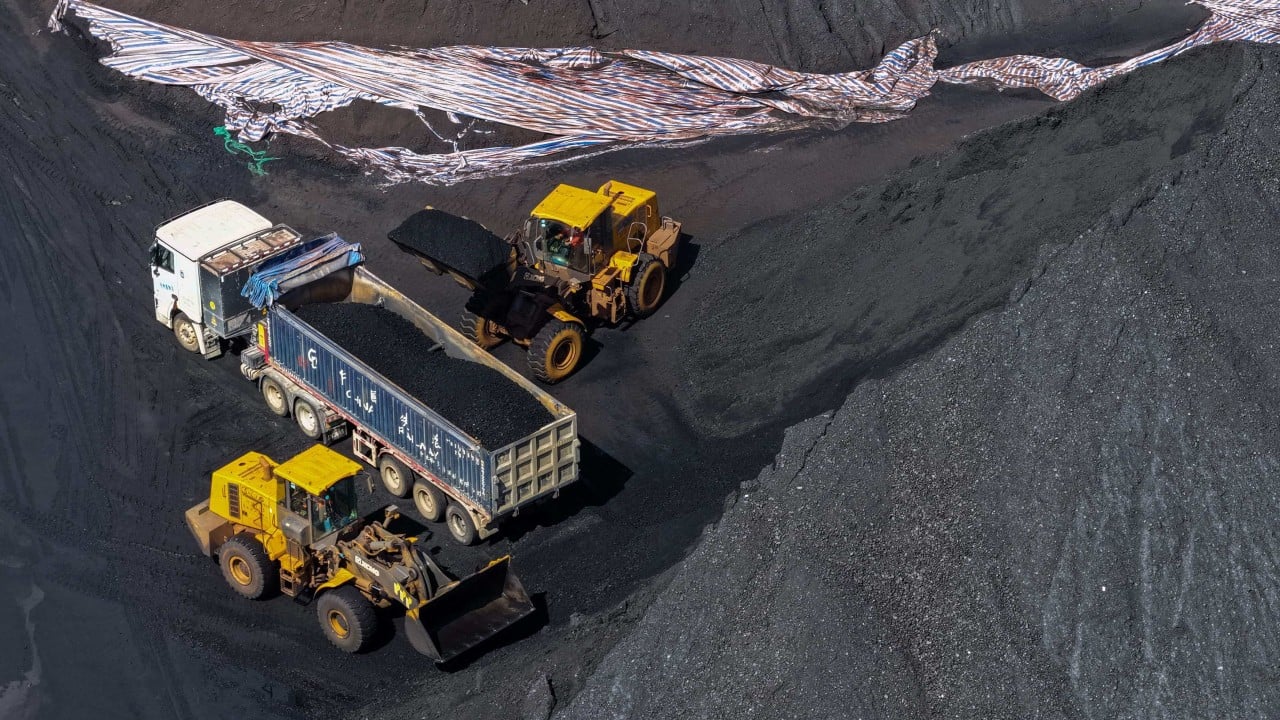
The traditional narrative of coal is one of soot, smog, and the dying embers of the industrial revolution. However, a massive shift in chemical engineering is currently unfolding in China, transforming the world’s most criticized fossil fuel into a high-value feedstock for the global pharmaceutical industry. This isn't just about cleaning up a dirty sector. It is a calculated economic pivot. By breaking down the complex molecular chains of coal into precise chemical precursors, Chinese researchers are fulfilling a century-old ambition to decouple medicine from expensive, petroleum-based imports.
The core of this breakthrough lies in coal-to-olefins (CTO) and coal-to-liquids (CTL) technologies, but with a sophisticated twist. Instead of simply burning coal for electricity or turning it into low-grade diesel, scientists are now isolating specific aromatic hydrocarbons. These molecules serve as the literal building blocks for everything from common paracetamol to complex oncology drugs.
The Death of the Smoke Stack
For decades, the global energy conversation has centered on the total elimination of coal. Yet, for a nation with the world's largest coal reserves and a growing dependence on imported oil, China viewed "total elimination" as a threat to national security. The solution was not to stop using coal, but to stop burning it.
When coal is gasified, it turns into syngas—a mixture of hydrogen and carbon monoxide. Historically, this gas was a precursor for ammonia or methanol. The jump to "cures" happens when these intermediate chemicals are refined further into fine chemicals like phenol, aniline, and acetic anhydride. These are the workhorses of the pharmaceutical world.
The economics are brutal and simple. A ton of coal used for power generation fetches a pittance and creates a massive environmental liability. That same ton of coal, if successfully converted into pharmaceutical intermediates, sees its value multiply by a factor of twenty or more. This is industrial alchemy, turning a bulk commodity into a precision instrument.
Engineering the Molecular Rebuild
The process is technically daunting. Coal is fundamentally "messy" compared to the relatively clean chains found in crude oil. It contains high levels of sulfur, nitrogen, and heavy metals that can poison the sensitive catalysts used in drug synthesis.
To overcome this, Chinese industrial hubs in provinces like Shaanxi and Inner Mongolia have deployed massive, multi-stage filtration and catalytic conversion units. These facilities don't look like traditional mines; they look like high-end laboratories scaled up to the size of small cities.
- Gasification: Breaking coal down at extreme temperatures.
- Purification: Stripping away impurities to reach a 99.9% purity level.
- Synthesis: Using proprietary catalysts to "snap" carbon atoms into the specific rings required for medicinal chemistry.
This isn't just a win for the balance sheet. It addresses a critical vulnerability in the global supply chain. During the peak of global logistics breakdowns in the early 2020s, the world realized that a handful of provinces in China manufactured the vast majority of the world's Active Pharmaceutical Ingredients (APIs). By integrating the raw material source—coal—directly with the chemical synthesis plants, China is creating a vertically integrated "mine-to-medicine" pipeline that no other nation can currently match.
The Geopolitical Insurance Policy
Western analysts often overlook the strategic patience behind this transition. While the European Union and the United States focus on biologicals and high-end cell therapies, the "boring" work of producing the world's essential small-molecule drugs remains a massive market. These are the antibiotics, painkillers, and blood pressure medications that the world consumes by the billions of doses.
By perfecting the "coal to cures" pathway, China achieves two things. First, it ensures that its domestic pharmaceutical industry is immune to oil price volatility or potential shipping blockades. If you have coal, you have the carbon necessary for organic chemistry. Second, it allows China to undercut global competitors on price. When your raw material is effectively "dirt cheap" and your infrastructure is already subsidized by decades of industrial development, you can dominate the global API market indefinitely.
There is a valid concern regarding the carbon footprint of this process. Even if the coal isn't being burned for heat, the gasification process itself requires significant energy. Critics argue that this is simply "greenwashing" a fossil fuel. However, industry insiders point to the integration of Carbon Capture and Storage (CCS) at these new sites. Because the gasification happens in a controlled, pressurized environment, capturing the resulting $CO_2$ is significantly easier and cheaper than trying to scrub it from the diluted flue gas of a traditional power plant.
The Catalyst Gap
The real battleground isn't the coal mine; it’s the catalyst. To turn syngas into a specific pharmaceutical precursor requires highly specialized catalysts, often involving rare earth elements or precious metals like platinum and palladium.
For years, the West held the "keys to the kingdom" regarding catalyst technology. Chinese firms had to pay massive licensing fees to use American or German designs. That is changing. Massive state funding has been poured into the Chinese Academy of Sciences, resulting in a wave of domestic patents. They are no longer just using the technology; they are defining how it works.
We are seeing a shift where the innovation is happening at the molecular level. Researchers are now designing catalysts that can skip intermediate steps, going from raw coal gas to complex precursors in a single reaction. This reduces energy waste and slashes production costs even further.
A Risky Bet on Stability
No industrial transformation is without its casualties. The push toward high-value coal chemistry requires a workforce that looks very different from the miners of the past. It requires chemical engineers, data scientists, and automation experts.
There is also the risk of overcapacity. China has a history of over-building industrial sectors—think steel, aluminum, and solar panels—until the global price collapses. If China floods the market with ultra-cheap pharmaceutical intermediates, it could trigger trade disputes and "anti-dumping" investigations from India and the United States, both of whom have their own domestic drug manufacturing ambitions.
Furthermore, the environmental stakes remain high. While gasification is cleaner than combustion, the wastewater generated by these plants is toxic and difficult to treat. If a facility cuts corners on water treatment to save on costs, the local ecological damage could outweigh the economic benefits of the "cures" they are producing.
The Global Ripple Effect
What does this mean for a pharmacy in Ohio or a hospital in London? It means the price of the world's most essential drugs will increasingly be tied to the efficiency of Chinese coal gasification.
We are entering an era where "energy security" and "health security" are the same thing. The nations that control the carbon—and the technology to manipulate it—will dictate the terms of global healthcare. This 160-year-old dream of the Victorian chemists, who first realized that coal tar contained the secrets of modern medicine, has finally found its industrial scale.
The move from coal to cures is not a romantic story of scientific discovery. It is a hard-nosed industrial strategy designed to dominate the 21st-century chemical landscape. While the rest of the world debates the end of the fossil fuel era, China is busy rewriting the rules of what a fossil fuel can be.
The implications for global trade are profound. If China successfully scales this "mine-to-medicine" model, it creates a gravity well for the entire global chemical industry. Companies that want cheap, reliable access to precursors will have no choice but to relocate their manufacturing closer to the source. This isn't just about making medicine; it's about capturing the entire value chain of modern life.
The world should stop looking for the end of coal and start looking at its reincarnation. The soot is gone, replaced by the sterile white rooms of the pharmaceutical plant, but the power remains exactly where it has always been: in the carbon.
Investigate the specific chemical export data from the Ningdong Energy and Chemical Industry Base to see how this shift is already impacting global API pricing.