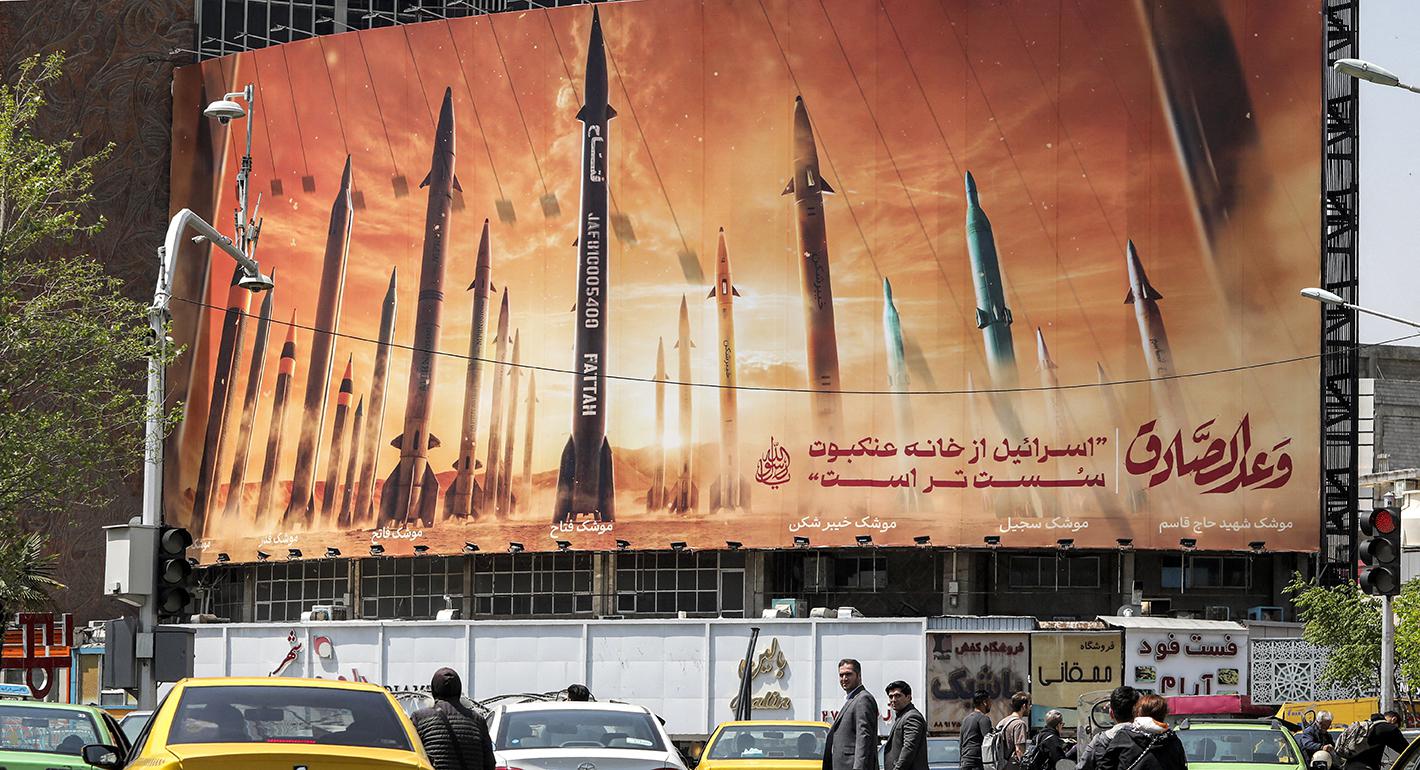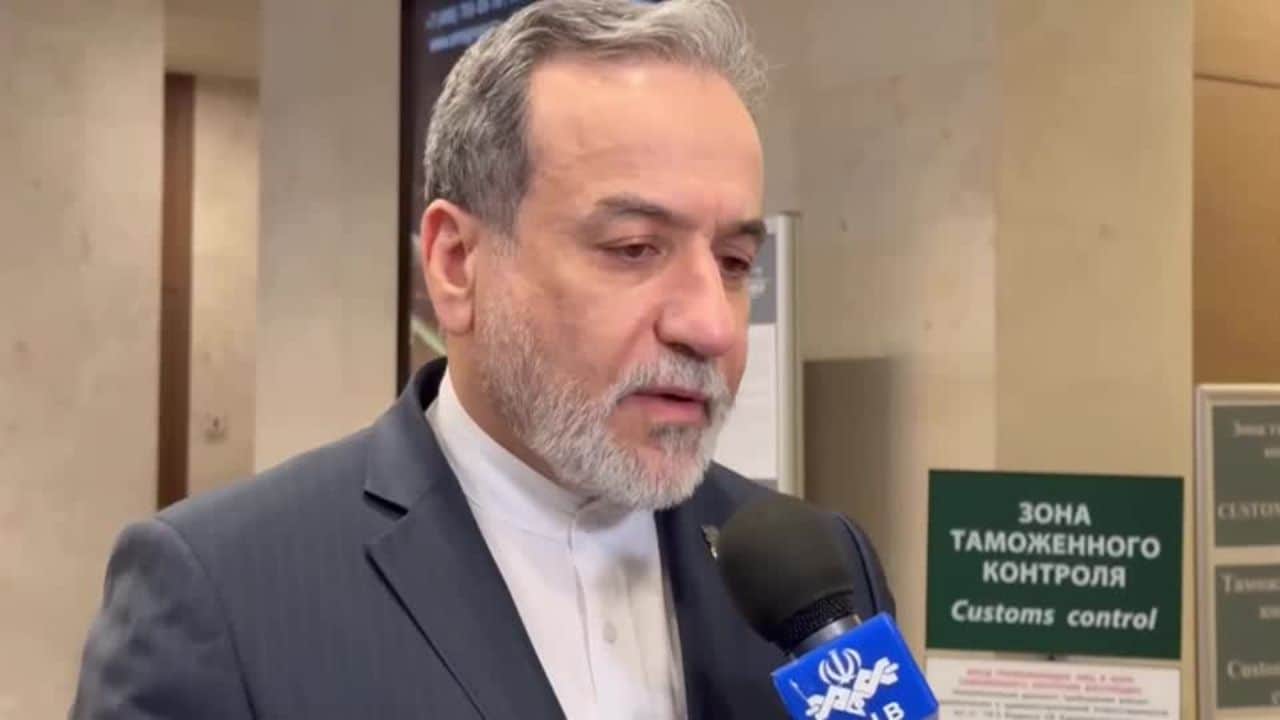
The Middle East isn't just a regional powderkeg anymore. It's the front line of a global shift where the old rules of engagement are being rewritten in real-time. On Wednesday, China's Foreign Minister Wang Yi sat down with Iranian Foreign Minister Abbas Araghchi in Beijing, and the message was blunt. Wang didn't just offer the usual diplomatic fluff. He warned that the region is at a "critical juncture between war and peace."
If you've been watching the headlines, you know the stakes. The conflict that flared up on February 28 has dragged on for over two months, pitting Iran against U.S. and Israeli forces. But while Washington has leaned on its usual playbook of naval blockades and high-pressure tactics, Beijing is positioning itself as the only adult in the room. This isn't just about being "deeply distressed" by the violence. It's a calculated move to offer an alternative to the Western security model that many in the Gulf are starting to question. Don't miss our earlier post on this related article.
The Hormuz factor and the global supply chain
Why does China care so much? Follow the oil. More than half of China’s seaborne crude imports come through the Strait of Hormuz. When Iran effectively shut that strait, fuel prices didn't just tick up—they skyrocketed. For a manufacturing giant like China, expensive energy is a tax on its entire economy.
Wang Yi’s push for a "comprehensive ceasefire" is as much about protecting Chinese factories as it is about regional stability. He's calling for an immediate end to hostilities because, frankly, the global economy can’t afford a third month of this. The Trump administration has been trying to get Beijing to use its leverage to force Tehran to open the strait. But China isn't interested in being Washington's messenger. They're playing a longer, much more ambitious game. If you want more about the background of this, Associated Press offers an informative summary.
A new security architecture for the Gulf
We’re seeing the rollout of what President Xi Jinping calls the Global Security Initiative (GSI). It sounds like jargon, but the practical application is fascinating. While the U.S. relies on military bases—which some Gulf states now see as liabilities or targets—China is pitching a "common, comprehensive, cooperative, and sustainable" security framework.
The Gulf states are paying attention. Saudi Arabia and the UAE have already been reaching out to Beijing. They're tired of being caught in the crossfire of a war they didn't choose. They're looking for a post-war strategy that doesn't involve absolute reliance on a U.S. security guarantee that feels increasingly shaky.
Think about it. If you're a leader in Riyadh or Abu Dhabi, you're seeing China:
- Buy your oil.
- Sell you high-end defense tech like drones.
- Maintain a direct line to Tehran that Washington doesn't have.
It’s easy to see why Beijing’s "wisdom" is starting to look more appealing than a blockade that hasn't actually stopped the fighting.
Why the Islamabad talks failed and what's next
The collapse of the peace talks in Islamabad, Pakistan, was the catalyst for the current naval blockade. When those negotiations fell through, it felt like diplomacy had hit a brick wall. But Araghchi’s trip to Beijing—his first since the war started—suggests that Iran is looking for a way out that doesn't involve total surrender to U.S. demands.
Iran says it wants to safeguard its "national sovereignty and dignity," which is code for not wanting to look weak. China provides the perfect cover. By negotiating through Beijing, Tehran can claim it's working with a "partner" rather than bowing to an "aggressor."
Breaking the blockade
The immediate goal is simple. Get the ships moving. Trump recently paused the U.S. effort to guide commercial vessels through the strait, hoping a deal might be close. Wang Yi is seizing that window. He's pushing for a total cessation of fighting and a return to the negotiating table before things spiral even further.
Don't expect China to suddenly start acting like a Western superpower. They aren't going to send an aircraft carrier to "patrol" the waters. Instead, they're using the second China-Gulf Summit coming up in June to cement their role as the primary mediator. They're betting that by the time the smoke clears, the region will be more interested in Beijing's "development-first" peace than Washington's "security-first" war.
If you want to stay ahead of how this affects the market, watch the shipping insurance rates in the Gulf. As soon as China secures a verbal commitment on the Strait of Hormuz, those rates will drop, and that’s your signal that the "peace" side of the juncture is winning. Keep an eye on the June summit; it’s going to be the real test of whether China can actually deliver on its promises or if it's just talk.
Inside the China-Iran diplomatic relationship
This video provides essential context on the high-level diplomatic meeting between Wang Yi and Abbas Araghchi, highlighting China's rare public support for Iran's nuclear rights amidst the regional crisis.