You can try to look away from Beijing’s housing charts, but doing that leaves your portfolio completely exposed. Headlines keep bouncing between minor regional stabilization spikes and deep structural defaults. Truth is, the narrative that the danger has passed is entirely false.
Real estate once drove nearly a third of economic output across the country. When construction slows down, steel mills, glass manufacturers, and local government budgets feel the immediate squeeze. Dismissing these movements as a localized Asian issue ignores how tightly global commodities and international banking loops remain tied to the region.
The Mirage of Tier-One Stabilization
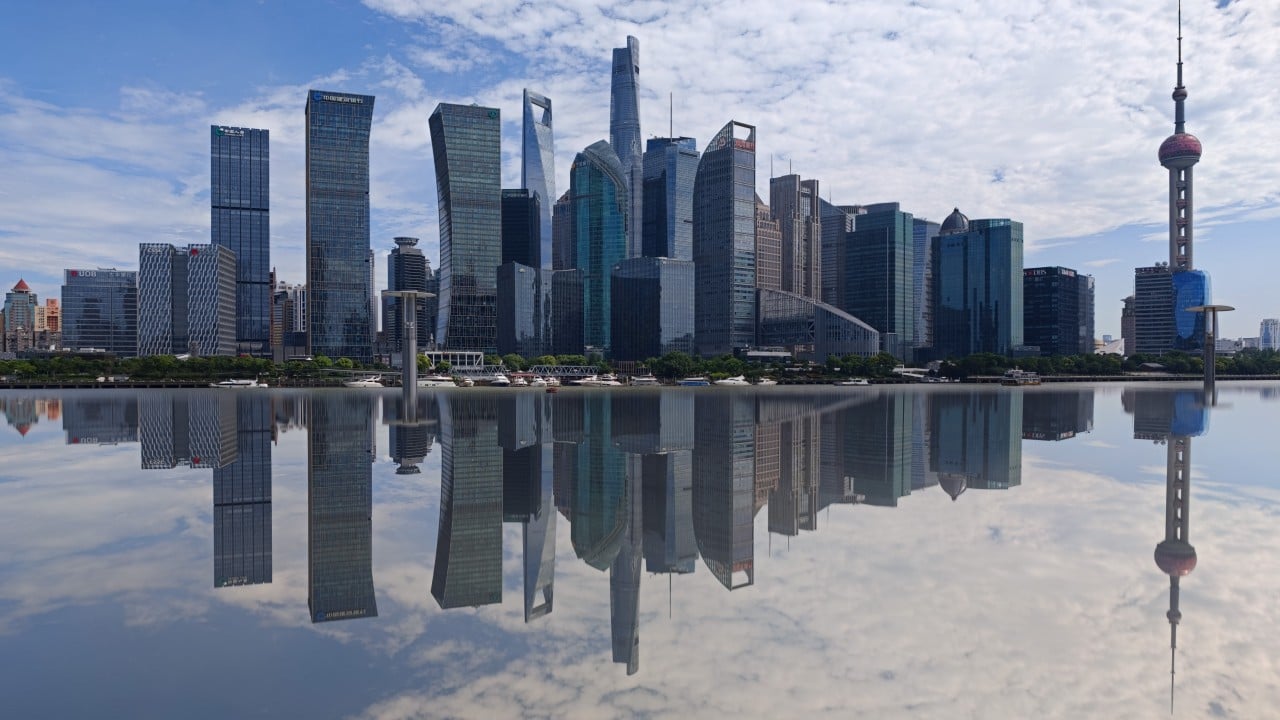
Look closely at the data coming out of Shanghai, Beijing, and Shenzhen. Prices in these mega-cities often show brief moments of resilience. Analysts eager for good news jump on these small upticks to declare that the worst has cleared.
They miss the broader picture. Second-hand home transactions are absorbing what little active demand remains, while new construction starts stay depressed. Fitch Ratings pointed out that lower-tier cities continue to suffer from massive inventory gluts that will take years to clear. Smaller municipalities relied heavily on land sales to fund their day-to-day operations. With those revenue streams dried up, financial strain is quietly moving from private developers to public balance sheets.
"The intricate interconnections between financial institutions, the real estate sector, and local and central governments create a fragile environment where minor disturbances trigger wide ripples."
Why Household Confidence Won't Bounce Back Easily
Economists often wonder why Chinese consumers refuse to spend despite various monetary injections. The answer sits in living rooms across the country. Around seventy percent of household wealth is locked up in residential property. When home values drop significantly from their historical peaks, families feel genuinely poorer.
People stop buying luxury goods, delay major life milestones, and hoard cash. Beijing wants to transition away from the old model of high-leverage property development toward advanced manufacturing and technology. That transition sounds great in theory, but high-tech factories don't instantly replace the wealth effect generated by millions of apartments changing hands every month. Consumer demand stays sluggish because the primary store of middle-class savings took a permanent hit.
The Zombie Enterprise Problem
Big developer bankruptcies grabbed international headlines over the last few years. Names like Evergrande became synonymous with high-stakes financial risk. Yet, focusing only on high-profile liquidations misses the quieter danger lurking inside regional lenders.
Many commercial banks continue to roll over loans for distressed construction firms rather than recognizing those losses outright. These entities survive strictly on life support from state-directed financing. Keeping non-productive firms alive ties up capital that should flow toward productive private enterprises.
- Watch local government financing vehicle debt closely.
- Monitor retail sales figures for signs of actual consumer recovery rather than headline numbers.
- Track secondary-market transaction volumes in core urban centers to gauge real buyer sentiment.
Ignoring these underlying shifts is a costly mistake. Keep your eyes on the data, question rosy official projections, and adjust your risk exposure accordingly.
China's Property Market Just Collapsed — And Nobody Noticed
This video provides an in-depth breakdown of how real estate wealth destruction impacts global banking systems and local financial institutions.
http://googleusercontent.com/youtube_content/1