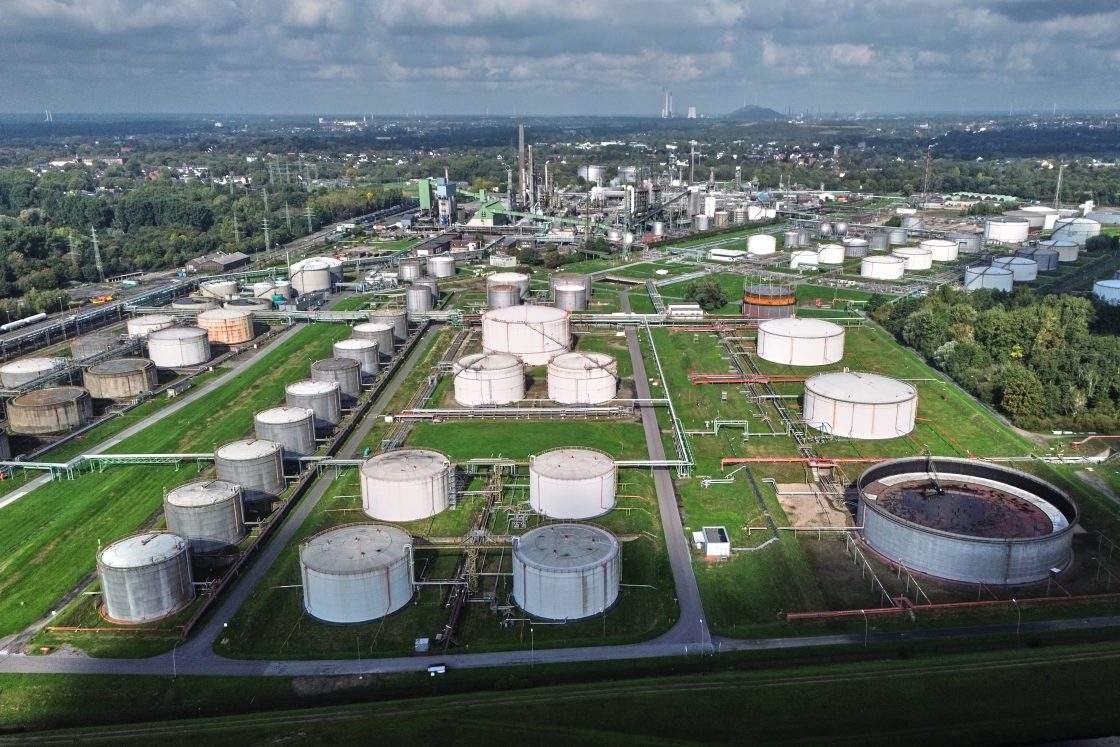
When Beijing quietly tells its major refiners to pull the plug on outbound fuel shipments, global markets feel the tremor instantly. For years, major trading hubs across Asia treated Chinese refining capacity as an open regional pantry. If diesel or gasoline ran short locally, Chinese product flowed outward to balance the books.
That assumption broke down when state planners slammed the brakes on exports, restricting overseas shipments of gasoline, diesel, and jet fuel. This abrupt shift did not happen in a vacuum. It exposed a hard truth about modern energy security: domestic survival always overrides regional supply stability. You might also find this similar article useful: Why the Skydance and Paramount Merger Changes Everything You Thought You Knew About Hollywood.
The Real Drivers Behind the Export Halt
Most mainstream commentary frames these restrictions as a sudden geopolitical weapon, but the roots are far more mundane and urgent. Chinese refiners, particularly the independent "teapot" facilities clustered in Shandong province, found themselves squeezed by tightening crude supply chains. When regional conflicts choked off access to heavily discounted feedstocks, domestic stockpiles dwindled rapidly.
Commercial gasoline inventories inside China fell to multi-year lows, while diesel tanks emptied out just as agricultural and industrial demand picked up. State planners faced a stark choice. They could either maintain exports to keep regional neighbors happy or hoard refined products at home to insulate the domestic economy from inflationary shocks. They chose self-preservation. As reported in detailed coverage by Bloomberg, the effects are worth noting.
This move highlights a core misunderstanding many analysts harbor about Beijing's energy policy. China maintains massive strategic crude reserves, often hovering around 100 days of import cover, but refined products are a different beast. When local refineries cannot secure predictable crude inputs at viable margins, export quotas are the first lever to get pulled.
How Regional Markets Absorbed the Shock
The downstream effects rippled across Asia within hours. Singapore, acting as the primary pricing and blending hub for the region, watched fuel inventories drop to multi-year lows as imports of Chinese gasoline plummeted. Importers in Vietnam, the Philippines, and Australia suddenly had to scramble for alternative cargoes.
Refining margins surged past historical averages because buyers knew replacement barrels were scarce. Jet fuel and diesel prices climbed aggressively, dragging freight and logistics costs upward.
- Inventory Drain: Singapore imports of Chinese gasoline fell by over 60 percent compared to previous years.
- Margin Expansion: Gasoline and diesel refining cracks spiked as traders priced in severe regional deficits.
- Logistics Stress: Airlines and commercial transport operators faced immediate cost spikes as jet fuel and diesel premiums widened.
When the world’s most flexible swing supplier goes offline, the math changes for every consumer down the line. You cannot simply substitute millions of barrels of refined product overnight without paying a steep price markup.
The Broader Lesson for Global Supply Chains
What happened with China's export curbs serves as a masterclass in how fragile modern commodity trade has become. For decades, globalization operated on the premise that goods would flow freely from the cheapest and most efficient producers regardless of borders.
That model is fracturing. Energy security has replaced cost efficiency as the primary directive for major industrial powers. When domestic stockpiles shrink, governments will prioritize local factories, transport networks, and consumers over international supply agreements every single time.
If you manage logistics, procurement, or energy investments, betting on uninterrupted cross-border product flows is a dangerous game. The smart play is building redundancy into your supply strategy, securing long-term supply contracts that account for export volatility, and recognizing that state-backed refiners answer first to their home capitals.