Western media is obsessed with the "graft" narrative. They see the death sentences—even with a reprieve—of former defense ministers Wei Fenghe and Li Shangfu and immediately default to the easy story: China is cleaning house because of stolen money. They point to the "misappropriation of public funds" and "bribery" cited by state media as if these were the actual catalysts for the downfall of the People’s Liberation Army (PLA) elite.
They are missing the forest for the trees.
In the high-stakes theater of the Chinese Communist Party (CCP), corruption is the universal charge, not the crime. It is the administrative tool used to liquidate political or strategic failures. If you believe Wei and Li are being erased because they padded their bank accounts, you are falling for the same PR stunt that the CCP uses to pacify its internal audience.
The real story isn't about greed. It’s about a catastrophic failure of technological readiness and the realization that the PLA’s "modernization" might be a hollow shell.
The Missile Force Mirage
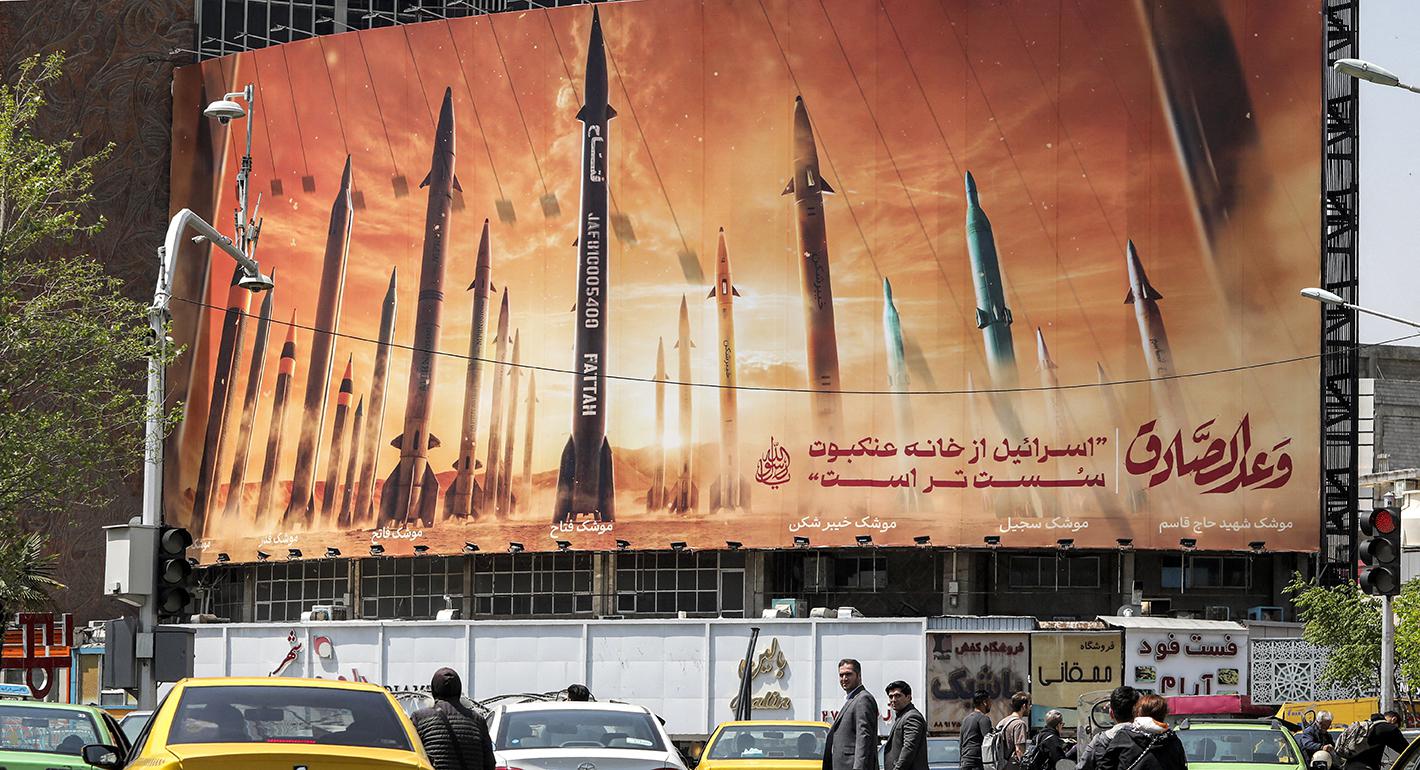
Wei Fenghe didn't just fall from grace; he was the founding commander of the PLA Rocket Force (PLARF). This is the branch responsible for China’s land-based nuclear and conventional missiles. Li Shangfu, his successor in the crosshairs, came from the equipment development department.
When two consecutive defense ministers with deep ties to the missile and aerospace sectors are scrubbed from history, you don’t look at their tax returns. You look at the missiles.
Intelligence reports have trickled out suggesting that the PLARF has been plagued by systemic technical failures—missile silos with lids that don't function and missiles fueled with water instead of propellant. While the "water in the fuel tank" anecdotes might be hyperbolic, the underlying reality is clear: the hardware Xi Jinping banked on to project power in the Pacific was compromised by a culture of cutting corners and faking readiness.
Corruption in the Western sense is a bug. In the PLA procurement system, it has been a feature for decades. Xi knew the money was being skimmed; he only cared when the skimming started affecting the "kill chain."
The Death Sentence as an Industrial Warning
A death sentence with a two-year reprieve is a specific legal instrument in China. It effectively means "behave, and we’ll commute this to life in prison." But the severity of the sentence for men of this stature sends a shockwave through the military-industrial complex.
This isn't a moral crusade. It is an emergency pivot.
The CCP is currently obsessed with "New Quality Productive Forces." In military terms, this means moving away from the mass-produced, low-tech hardware of the early 2000s toward AI-driven, autonomous, and high-precision systems. Wei and Li represented the old guard of procurement—a system built on guanxi (connections) rather than performance.
By sentencing them to death, Xi is signaling that the era of "good enough" is over. He is telling the defense contractors and the generals that a failure to deliver functional, high-tech parity with the West is now considered treason.
The Myth of the Unified Command
The "lazy consensus" argues that these purges show Xi’s absolute strength. I argue the opposite. They reveal a persistent, gnawing insecurity regarding the military’s loyalty and competence.
If you have to execute (or threaten to execute) your top military leadership every few years, you don't have a disciplined force. You have a fractured one. The removal of Wei and Li follows the 2014-2015 takedown of Xu Caihou and Guo Boxiong. A decade later, the "corruption" hasn't moved. The faces just changed.
This cycle suggests that the CCP cannot actually fix the PLA’s structural rot. Instead, it relies on periodic "terror campaigns" to force compliance. For an industry insider, this is a massive red flag. It means the data coming out of the PLA regarding its capabilities is likely still inflated. Mid-level officers, terrified of being the next "corrupt" official found with a faulty missile, will simply lie better.
Silicon, Not Silver
The downfall of Li Shangfu, in particular, is tied to the Equipment Development Department (EDD). This is the nerve center for circumventing Western sanctions and acquiring dual-use technology.
When Li disappeared, the rumor mill focused on the failure of specific semiconductor acquisitions and the inability of Chinese domestic firms to replicate high-end chip manufacturing for guidance systems. The "graft" wasn't just about taking a bribe; it was about the failure of the "Great Leap Forward" in military tech.
If Li promised a breakthrough in hypersonic maneuvering or satellite jamming and delivered a buggy, overpriced version that failed during secret testing, his fate was sealed. The money is secondary. The loss of face and the delay in the Taiwan timeline are the real "state secrets" he violated.
Why "Stability" is a Lie
Observers love to say that these purges "stabilize" Xi’s grip. That is a fundamental misunderstanding of how military hierarchies function.
Every time a minister is purged, his entire network of subordinates—men who were promoted under him, shared his vision, and likely participated in the same "graft"—becomes a liability. This creates a vacuum of expertise. You cannot build a world-class blue-water navy or a sophisticated nuclear triad when your top engineers and strategists are constantly looking over their shoulders for the internal police.
The "death with reprieve" is a leash. It keeps the secrets contained and the remaining leadership paralyzed. A paralyzed military is not an effective one.
The Actionable Truth
If you are a geopolitical analyst or a business leader looking at China, stop reading the "anti-corruption" headlines. They are noise.
Instead, track the following:
- The pace of PLARF testing: Are they launching more, or have they gone quiet to fix structural flaws?
- The rise of technocrats: Look for leaders coming out of the state-owned aerospace and electronics firms who lack traditional "political" backgrounds. These are the replacements Xi hopes can actually build what he’s paying for.
- The shift in procurement language: Watch for a move away from "quantity" toward "survivability" and "autonomous integration."
Wei Fenghe and Li Shangfu are not martyrs, nor are they simple thieves. They are the human debris of a system that realized it cannot buy its way into becoming a superpower. The CCP is desperate to bridge the gap between their propaganda and their actual military performance.
The death sentence isn't for the money they took. It's for the time they lost.
Stop asking if the PLA is corrupt. It is. Start asking if they are actually capable of fighting a modern, high-intensity war after purging the very men who built their current infrastructure. The answer, based on the sheer desperation of these sentences, is likely a resounding "no."
Clean the house all you want; if the foundation is built on water-filled missiles and faked data, the building still falls.