Diplomacy rarely happens in front of cheering crowds. Instead, it happens quietly in high-rise conference rooms, behind tinted car windows, and through backchannel meetings that bypass traditional state departments. When high-level representatives from Moscow fly across the Atlantic to sit down with American negotiators, the world pays attention. The ongoing backchannel discussions centering on the war in Ukraine reveal a desperate scramble to find an off-ramp before the conflict entrenches itself even deeper into the European continent.
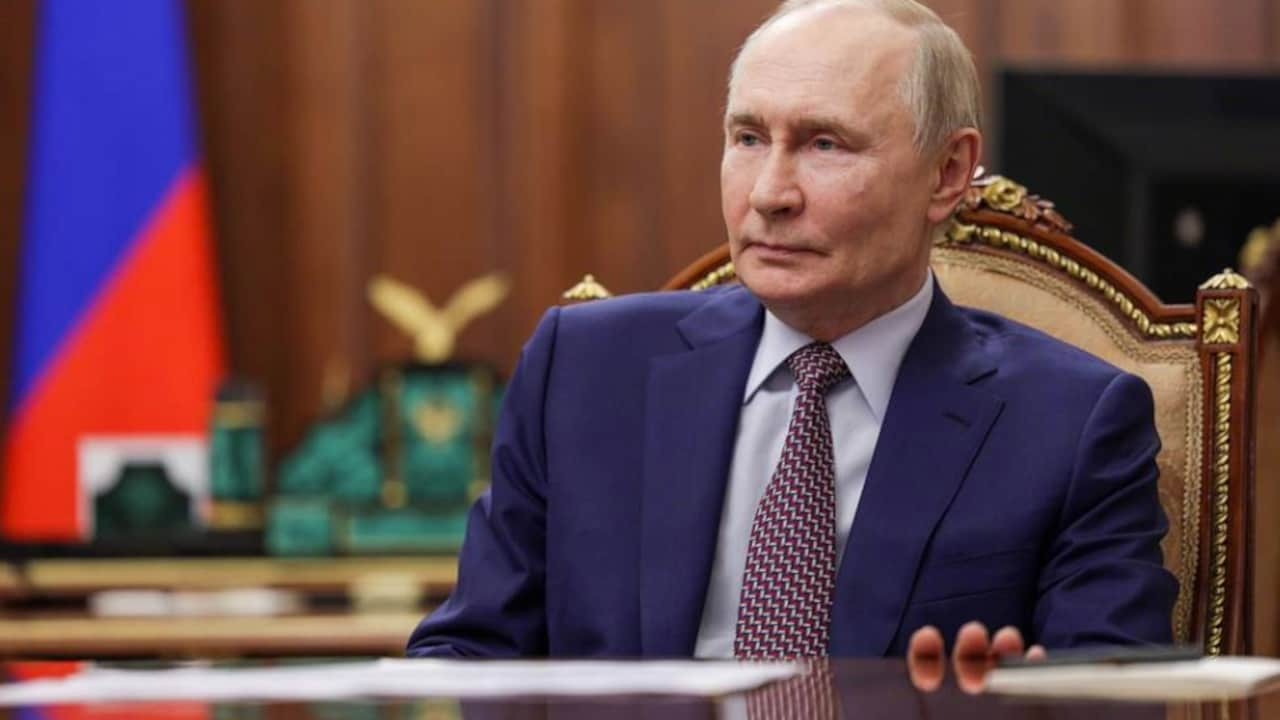
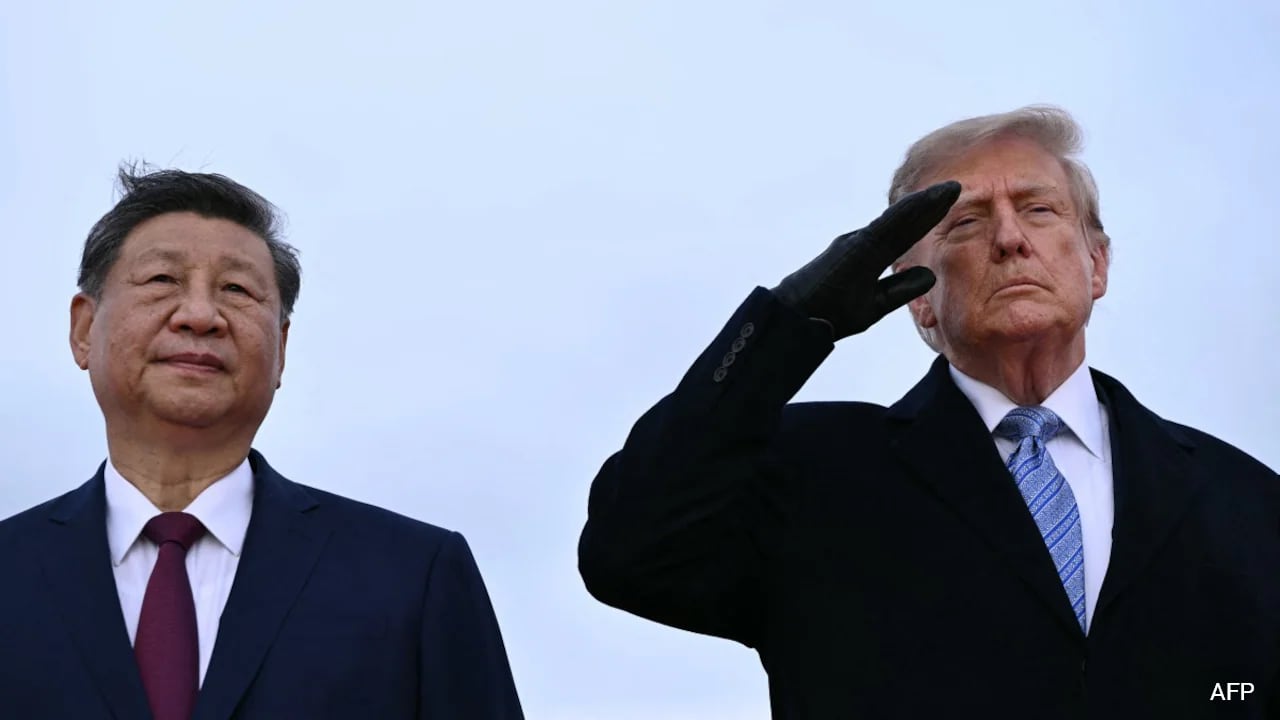
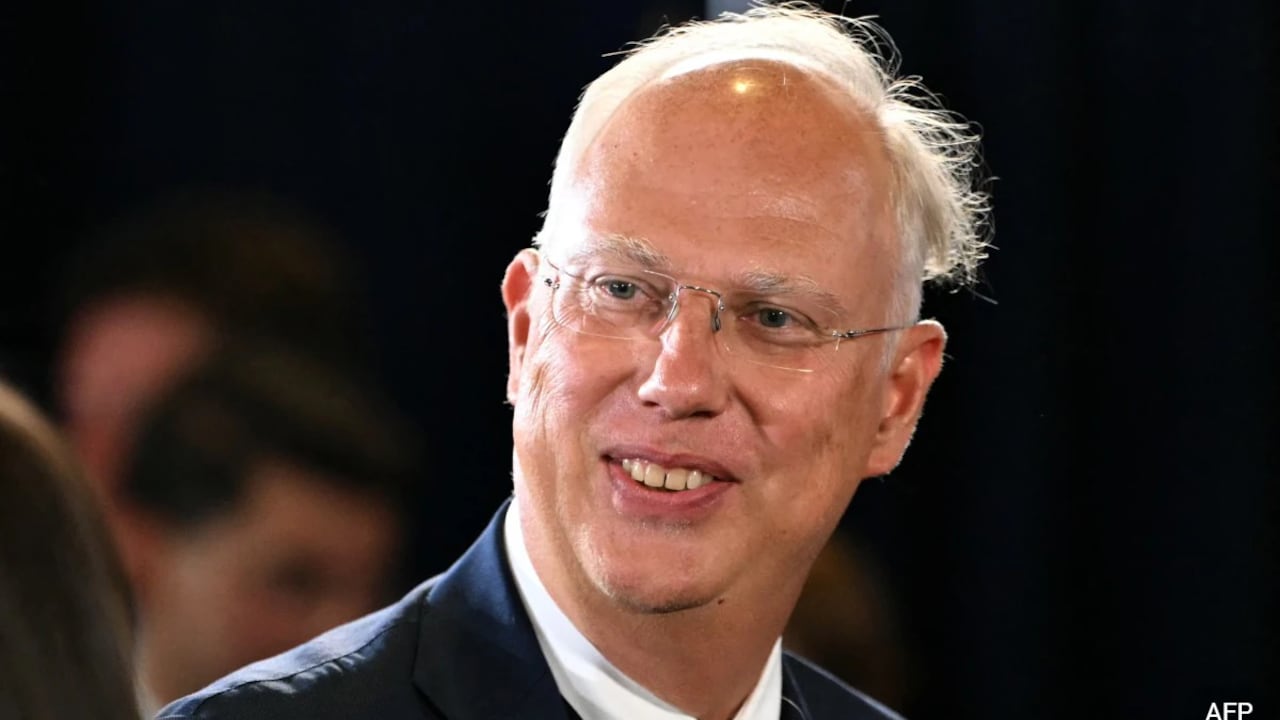
If you are trying to make sense of why these negotiations keep happening out of the public eye, you have to look at the shifting political realities in Washington and Moscow. The traditional diplomatic playbook is broken. President Donald Trump’s team, including special envoys like Steve Witkoff and Jared Kushner, has consistently favored direct, transactional engagement over rigid multilateral frameworks. Meanwhile, Russian President Vladimir Putin relies on trusted economic operatives like Kirill Dmitriev to carry messages directly to American interlocutors, bypassing standard bureaucratic channels. For a different view, consider: this related article.
The Mechanics of Shadow Diplomacy
Why do these specific envoys keep meeting? It comes down to speed and deniability. Traditional foreign policy channels move at a glacial pace. Ambassadors must consult capitals, draft formal cables, and coordinate with hesitant allies before making a single move. Envoys operating on direct instructions can test radical ideas without immediately committing their governments to formal treaties.
During these closed-door sessions, the agenda rarely stays confined to simple battlefield ceasefires. Moscow wants broader economic relief, the lifting of crippling sanctions, and a total redesign of European security architecture that limits NATO's footprint. Washington's team wants a quick political win, a halt to the bleeding, and a pathway to stabilize global energy markets. Further reporting on this matter has been published by BBC News.
The friction points are obvious. Ukrainian leadership, headed by President Volodymyr Zelenskyy, watches these maneuvers with intense anxiety. Kyiv has repeatedly warned that any deal cut over their heads—especially one trading European security guarantees or territorial integrity for temporary peace—will only invite future aggression. Yet, the gravitational pull of Washington's desire for a swift resolution keeps drawing all parties back to the table, whether in New York, Abu Dhabi, or Moscow.
What Most People Get Wrong About These Talks
Casual observers often assume that a meeting between a Kremlin envoy and American insiders means a peace treaty is just around the corner. That is rarely true. These early-stage conversations are exploratory probes. They test red lines.
When Kirill Dmitriev meets with American representatives, they are mapping out what compromises might actually survive contact with reality. Can energy sanctions be partially unwound? Can humanitarian corridors and prisoner exchanges serve as stepping stones to harder territorial compromises? These are questions of political survival for both sides. Putin cannot afford to look weak domestically, and the White House wants to project an image of unstoppable deal-making capability.
At the same time, European capitals feel increasingly sidelined. European leaders argue that a lasting settlement cannot be engineered through bilateral superpower bargaining alone. If a new security architecture for Europe is drafted in secret rooms without active European consent, it risks collapsing the moment enforcement is required.
The Road Ahead for Ukraine and Global Power Politics
The reality on the ground in Ukraine remains brutal and unyielding, regardless of what is discussed in luxury hotels or presidential offices. Troops are dug into frozen trenches, infrastructure takes daily hits, and civilian fatigue is reaching critical levels. Diplomacy running parallel to an active war zone always feels surreal.
Expect these clandestine meetings to continue in waves. As long as both Washington and Moscow believe an advantage can be gained through direct dialogue, the backchannels will stay open. Watch for shifts in economic rhetoric rather than public peace declarations; when sanctions relief or energy sharing enters the formal conversation, the real bargaining has begun. Until then, treat every leaked report of secret summits with a healthy dose of skepticism. Real breakthroughs don't leak until the ink is dry.