The desk light hums at 2:00 AM. That familiar, low-frequency buzz that painters, writers, and code-smiths know better than the sound of their own mothers' voices. On the monitor, a dragon stretches its polygon wings, textures rendering in real-time, breathing fire across a digital valley built by four hundred exhausted human beings who haven't seen the sun in three days.
We talk about video games as magic. We buy them on launch night, unwrap the plastic, download forty gigabytes of patch data, and plunge headfirst into fantastical realms crafted to distract us from our own mortgages and laundry. But magic is a marketing term. The reality is sweat, caffeine, cramped wrists, and the quiet dread of a Slack notification chiming from a producer asking why that physics engine is still stuttering.
For decades, the people who build these digital worlds worked under an unspoken contract. You trade your youth, your weekends, and occasionally your mental health for the privilege of making art that millions consume. You accept the crunch. You accept the sudden layoffs that happen the Friday after a game ships, when the studio hits its profit targets and realizes it no longer needs the junior level designers who bled over the level layouts.
That contract is rotting. And recently, inside the belly of one of history’s most influential studios, the ink finally dried on something entirely different.
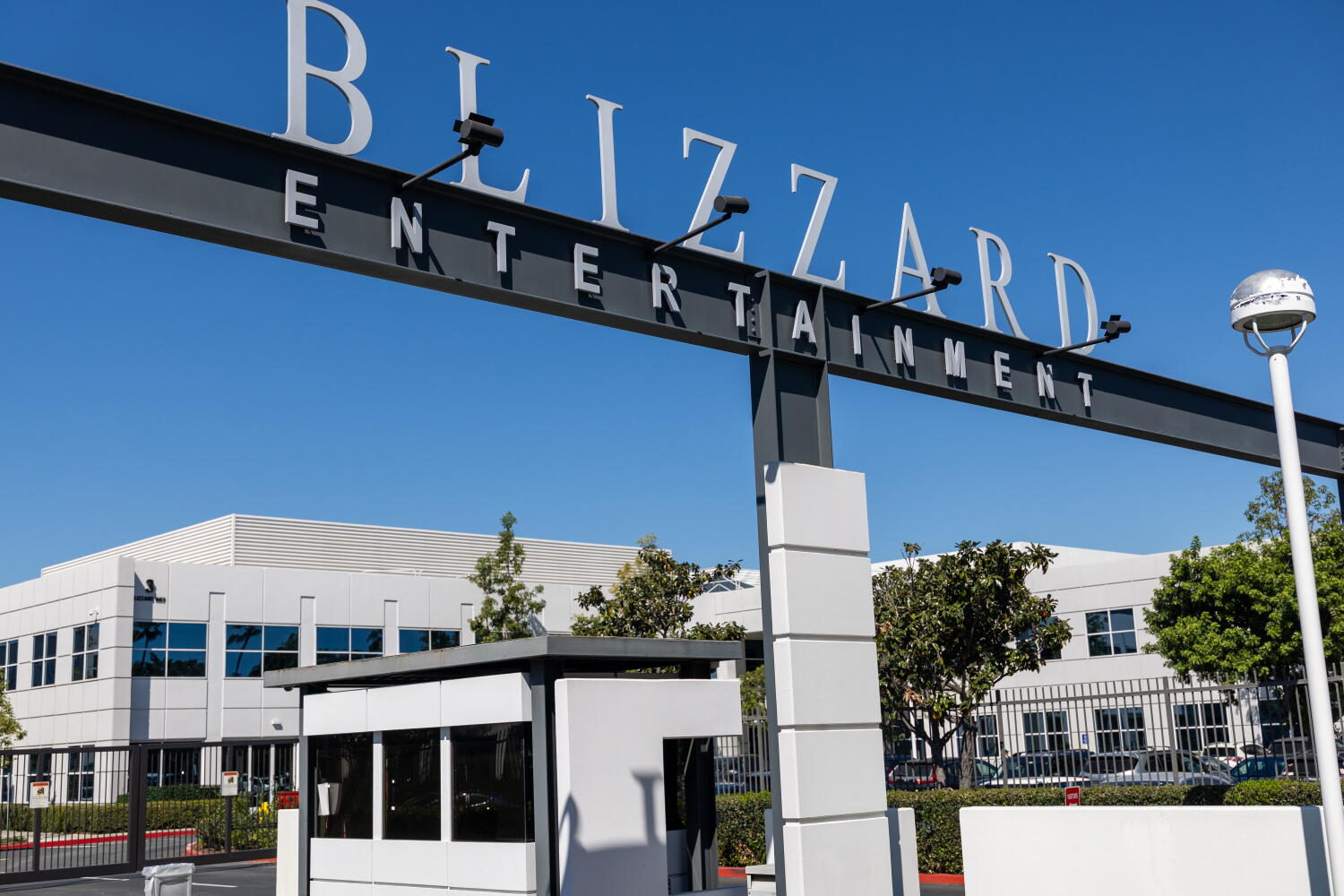
Workers at Blizzard Entertainment did something that corporate boardrooms spent millions of dollars trying to prevent. They voted. They organized. They ratified union contracts.
To read a corporate press release about this milestone is to read a masterclass in bloodless translation. Words like "accommodations," "provisions," and "ratification thresholds" smooth down the sharp edges of a profound ideological shift. But strip away the bureaucratic prose and you find something visceral. You find human beings demanding the right to go home to dinner while the meat is still warm.
Consider a hypothetical designer we will call Marcus. Marcus spent six years studying computer science, not because he wanted to become a corporate drone optimizing shareholder value, but because he wanted to make you feel something when your character steps out of a tavern and into a blinding snowstorm. He got his dream job at a legendary studio. Within six months, he learned that his dream job came with a cot under his desk.
During crunch periods—those grueling sprints before a major release—Marcus worked eighty-hour weeks. When a bug crashed the server at midnight, he fixed it. When management decided to completely rewrite a quest line three weeks before launch, he stayed. He did this because he loved the craft, and because management knew how to weaponize that love against him. If you complain, someone else will gladly take your seat. There are ten thousand fresh graduates standing outside the door, portfolios in hand, eager to take your place in the burning building.
That is the emotional core of the video game industry. It operates on emotional blackmail.
When you love what you do, exploitation masquerades as dedication. You are told that you are part of a family. But families don't lay off eight hundred people a week after reporting record quarterly earnings to appease Wall Street algorithms. Families don't look at human capital as a disposable resource to be burned through until the burnout rate forces a fresh batch of recruits into the pipeline.
The unionization wave that swept through parts of Activision Blizzard—symbolized by groups like Game Workers Alliance—didn't happen in a vacuum. It was forged in the fires of scandal, institutional failure, and a growing realization that pizza parties do not pay rent in Southern California or Irvine or Austin.
When workers at Raven Software, a studio under the Blizzard corporate umbrella, first moved to unionize, they weren't just asking for dental coverage or predictable scheduling. They were asking for basic dignity. They were saying that the people who write the code, paint the textures, and record the footsteps are not interchangeable cogs in a machine. They are the engine itself.
Now, with these contracts officially ratified, the landscape shifts. It is not an overnight utopia. Unions do not magically erase corporate greed, and collective bargaining is a messy, grinding process of compromise and vigilance. But it changes the power dynamic. It gives workers a seat at the table where decisions about their lives, their workloads, and their compensation are actually made.
Think about what that means for the art itself.
When the people building your favorite interactive experiences are constantly terrified of losing their livelihoods, when they are running on four hours of sleep and stale energy drinks, the art suffers. Tired minds make safe choices. Burned-out developers push out rushed patches instead of inspired innovations. When you protect the worker, you protect the work.
The corporate world often warns that unionization will stifle creativity, that rigid contracts will kill the spontaneous, chaotic magic of game development. This is a fairy tale told by people who measure success exclusively in earnings-per-share ratios. Chaos is not a creative strategy; it is a management failure. True creativity requires stability. It requires a rested mind that can look at a problem and spend two days finding an elegant solution instead of twenty minutes slapping a patch on a gaping wound.
The ink on these contracts represents a crack in the monolith.
For years, the tech and gaming sectors stood as the final frontier of unbridled corporate libertarianism—places where genius was supposed to transcend labor laws, where parking lot campouts were worn like badges of honor, and where complaining about your hours meant you just didn't "have the passion."
Passion is not a substitute for health insurance. Passion does not pay off student loans. Passion is a gift artists give to the world, and it should never be treated as permission for exploitation.
As you boot up your next digital adventure, take a moment to look past the loading screen. Behind the stunning visuals and the sprawling open worlds are real people who fought a quiet, monumental battle for the right to log off at five o'clock and know they’ll still have a job tomorrow.
The screens go dark eventually. The servers will shut down years from now, consigned to digital history. But the precedent set by these workers will echo far beyond any single release. They proved that even in an industry built on smoke, mirrors, and infinite digital worlds, the ground beneath our feet can still be reclaimed by the people who actually build it.


