You’d think a war in the Middle East would be a gold mine for the world’s biggest commodity traders. In the past, volatility was their best friend. When Russia invaded Ukraine, firms like Vitol, Trafigura, and Glencore minted money faster than they could count it. But the early days of the conflict with Iran flipped the script. Instead of swimming in cash, these giants got punched in the mouth.
The numbers are staggering. We’re talking about billions of dollars in losses across the sector within weeks of the opening strikes on February 28, 2026. This wasn’t just a bad week at the office; it was a fundamental breakdown of how the global energy machine works. While the public watches oil prices at the pump, the real carnage happened behind the scenes in the derivatives markets and at the mouth of the Strait of Hormuz.
Why the Money Printer Stopped Working
Commodity trading is basically a high-stakes game of moving stuff from point A to point B while hedging against price swings. Usually, when war breaks out, traders have enough lead time to position themselves. This time, they got caught leaning the wrong way.
Before the strikes, many of the big houses held short positions—essentially betting that prices wouldn't skyrocket—because they expected a limited, "targeted" engagement. When the conflict exploded into a full-scale blockade of the Strait of Hormuz, oil prices didn't just rise; they teleported. Brent crude smashed through $100 per barrel almost instantly.
The Margin Call Nightmare
When you bet against a price hike and the price jumps 20%, your brokers don't just wait for you to feel better. They demand cash. Right now.
The sudden price surge triggered massive margin calls. To keep their heads above water, firms had to scramble for liquidity. Vitol and Trafigura each had to secure $3 billion in new credit lines just to stay in the game. Gunvor had to pull in $1.5 billion. It's a sobering reality: even companies that move hundreds of billions in revenue annually can find themselves hours away from a liquidity crisis when a war goes sideways.
Ships Stranded and Cargoes Ablaze
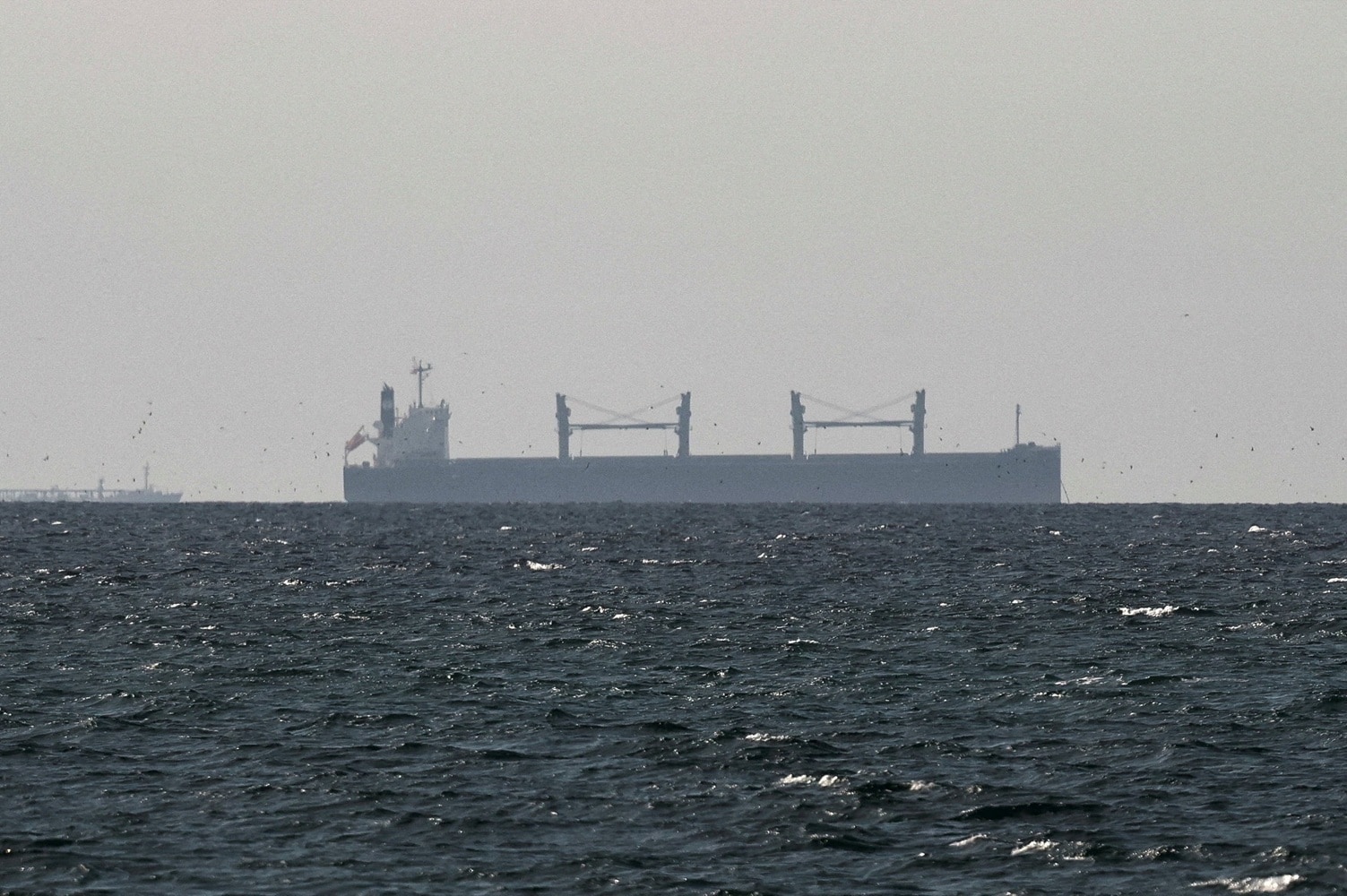
The physical side of the business was even messier. The Strait of Hormuz handles about 20% of global oil and 30% of the world's seaborne fertilizer. When Iran effectively shut it down, the "just-in-time" supply chain became a "not-at-all" supply chain.
- Vitol had over 10 cargoes trapped inside the Persian Gulf immediately.
- Trafigura had 10 vessels stuck, though they were chartered to others.
- Glencore saw its own ships caught in the dragnet.
This isn't just about delays. On March 12, two vessels carrying Vitol’s naphtha were set on fire. That’s not a line item on a spreadsheet; that’s a total loss of cargo and, tragically, human life. When your physical assets are literally burning, "market volatility" feels like a very polite term for chaos.
The Fertilizer Factor
While everyone fixates on oil, the silent killer for these trading desks was fertilizer. Iran and its neighbors are massive exporters of urea and ammonia. Roughly 20–30% of global fertilizer exports go through that one narrow waterway.
Traders who had promised deliveries to farmers in Brazil and the U.S. suddenly found themselves with no product and skyrocketing costs to source it elsewhere. Fertilizer prices soared well above historical averages, creating a secondary wave of losses that hit the "agri" desks just as hard as the energy desks.
How the 2026 Crisis Differs from Ukraine
In 2022, the energy crisis was about rerouting. Russian oil still flowed; it just went to India and China instead of Europe. The 2026 Iran conflict is a different beast because it's a "chokepoint" crisis.
When the Strait of Hormuz closes, you can't just "reroute" 20 million barrels of oil per day. There isn't enough pipeline capacity in the world to bypass that water. This created a physical shortage that derivatives couldn't hedge against. You can't burn a futures contract to run a refinery.
Sky-High Insurance Costs
If you're lucky enough to have a ship that isn't trapped, you're now paying through the nose to move it. Weekly insurance premiums for vessels in the Persian Gulf surged more than sixfold in the first month of the war. For a large tanker, that’s millions of dollars in extra costs per trip, eating whatever thin margins were left.
Hard Lessons from the Front Lines
If you're looking at these losses and thinking it's just a billionaire's problem, think again. These firms are the shock absorbers of the global economy. When they lose billions, the cost of everything from bread to gasoline stays higher for longer.
Honestly, the "smart money" failed here because it relied too much on historical patterns. They assumed the 2026 conflict would look like the 2024 tensions—lots of shouting, maybe a drone or two, but the oil keeps flowing. They ignored the possibility of a total blockade.
What You Should Do Now
Don't wait for the headlines to tell you the crisis is over. If you're involved in any business that relies on global shipping or energy:
- Audit your supply chain for "chokepoint" reliance. If your components or raw materials come through the Strait of Hormuz or the Suez Canal, you need a Plan B today.
- Watch the fertilizer markets. The impact on food prices usually lags energy spikes by six months. If you’re in the food industry, start hedging your costs now before the 2027 harvest yields are affected.
- Liquidity is king. The commodity giants survived because they could tap billions in credit. Small players didn't. Keep your cash reserves higher than you think you need.
The era of "safe" global trade is on life support. The traders who lost billions in Iran just learned that lesson the hard way. Make sure you aren't the next one to find out.