The air smells like wet ash and old river silt. It is the distinct, heavy scent of a landscape recovering from a fracture, a place where machinery has done its brutal, necessary work and moved on.
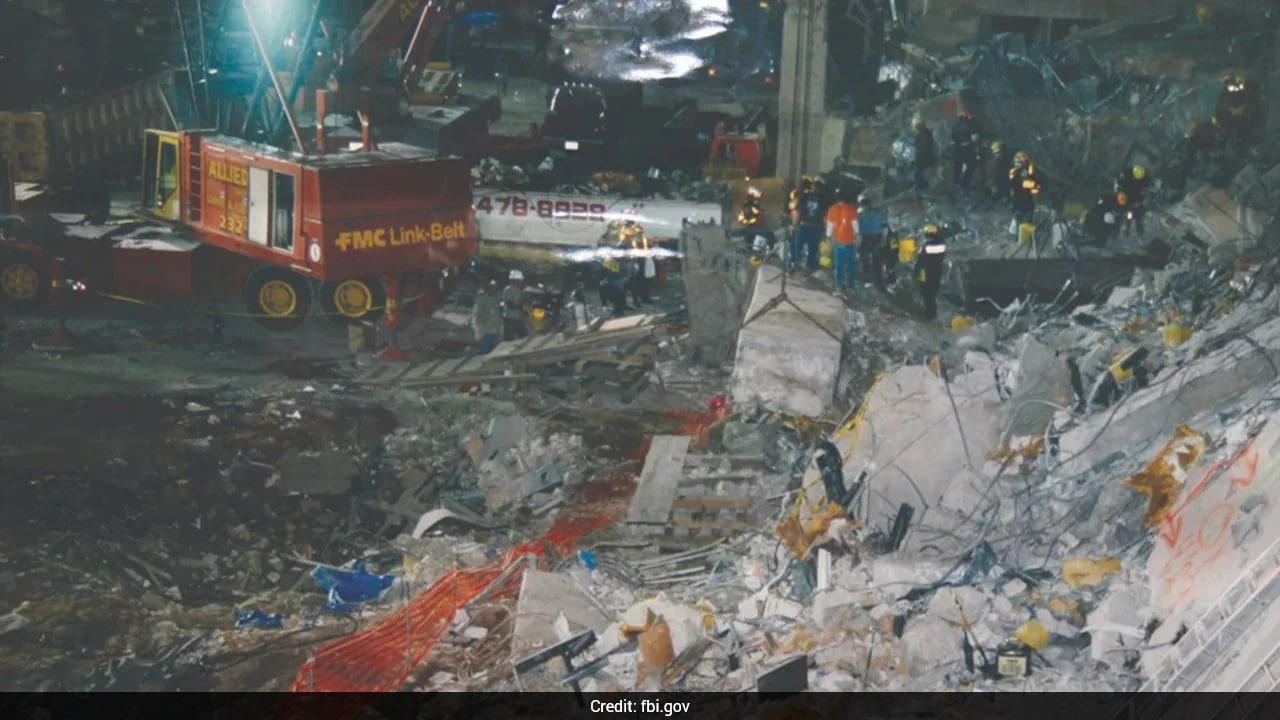
For months, the highway corridors of California looked like the aftermath of an industrial eviction. Ton after ton of accumulated wreckage—shattered guardrails, charred remnants of fences, displaced earth, and the tragic detritus of modern life tossed aside by storms and slides—piled high in staging yards. The numbers are staggering when you look at them on a ledger. Nine hundred thousand pounds. Four hundred and fifty tons of human weight hauled away from the shoulders of public roads, clearing the arteries of a state perpetually caught between the Pacific and its own volatile geography.
Heavy yellow excavators clawed at the hillsides. Dump trucks groaned under the weight of twisted metal and waterlogged timber. It was a massive, expensive, deafening exercise in erasing chaos.
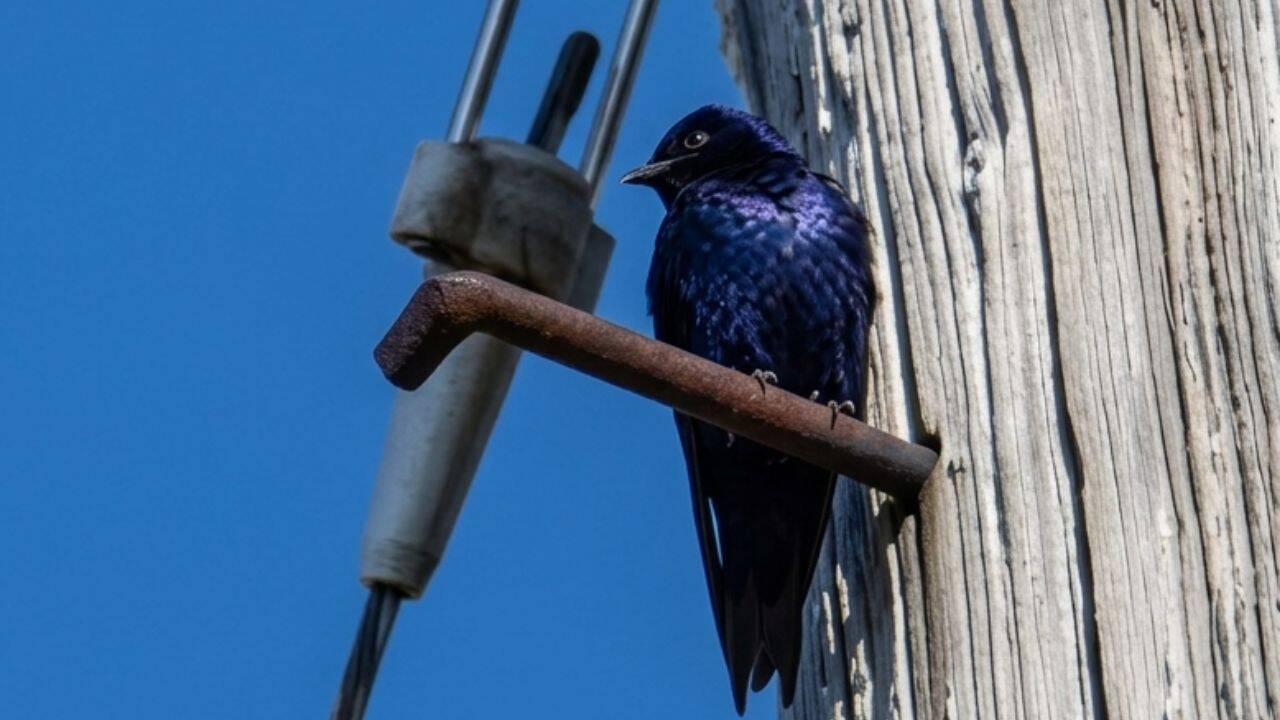
Yet, if you walk down a specific stretch of rural highway corridor today, past the freshly graded gravel and the newly reinforced embankments, you will notice something peculiar. Standing amidst the emptiness, stripped of their buzzing wires and forgotten by the municipal planners rushing to restore order, are a handful of old, weathered wooden telephone poles.
They do not belong here anymore. They are obsolete monuments to an older grid, grey-weathered and scarred by decades of sun and salt. By all the rules of modern infrastructure maintenance, they should have been chained to the flatbed of a salvage truck weeks ago, sawed into manageable segments, and dumped into a landfill.
Instead, they were left standing.
To understand why, you have to look down—or rather, look up, and wait for a flash of iridescent cobalt blue.
Imagine standing in a sun-baked valley in the heat of June. You are watching a bird no larger than your hand dart through the air with the erratic, dazzling grace of a fighter jet. This is the purple martin, North America's largest swallow, a creature that spends its entire day performing aerial acrobatics to snap up beetles, dragonflies, and stinging insects on the wing.
To survive, these birds need cavities. Natural hollows in ancient, decaying sycamores or standing dead trees. But as human hands have reshaped California over the last century, those ancient trees have largely vanished. Forests were managed, trimmed, sanitized, and cleared for safety. The dead wood—ecologically vital, rotting pillars of life—was treated as a hazard. In doing so, we accidentally evicted the tenants who relied on the decay.
Urbanization is a relentless process of tidying up. We pave over the rough edges. We straighten the curves. We remove every snag, every stump, and every rotting post because safety and aesthetics demand a clean horizon.
When the state transportation crews moved in to clear the 900,000 pounds of debris from the recent highway operations, they initially intended to sweep the board clean. Every piece of infrastructure slated for replacement was marked for removal. The old utility poles were on the chopping block.
Then, an ecologist walked the site.
Sometimes, progress requires an abrupt pause. The field biologist looked up at the weathered timber poles, noticed the neat, round entrance holes pecked out by native woodpeckers years prior, and saw something the heavy machinery operators missed: real estate.
To a purple martin, an old wooden utility pole high above the traffic corridor isn't junk. It is a penthouse. It is a dry, safe, elevated nursery protected from ground predators like raccoons and feral cats, suspended over open flyways where insect life thrives.
A compromise was struck. The heavy debris—the toxic runoff hazards, the mangled metal, the dangerous garbage—had to go. The road had to be made safe. But the vertical monuments of dead wood? They were spared.
We rarely consider the ghosts living in our infrastructure. We build roads to move our bodies and wires to move our thoughts, treating the physical world as a static stage set. We forget that nature is an opportunistic squatter.
When humans abandon a structure, animals move in. Pigeons colonize the concrete underpasses. Barn swallows rib the corners of tollbooths with mud nests. And here, along the sun-bleached asphalt corridors of California, migratory birds found refuge in the skeletal remains of our old communication lines.
It sounds small. A few wooden poles left standing while thousands of tons of garbage are hauled away. A footnote in a bureaucratic environmental impact report. But it represents a profound shift in how we manage the edges of our civilization.
For decades, conservation was binary. You either protected a pristine wilderness, locking it behind imaginary lines, or you developed it into concrete and asphalt. There was no middle ground. You couldn't have nature where you had utility lines, and you couldn't have commerce where you had wildlife nesting.
What happened on this California roadside suggests a different path. It suggests that our abandoned scaffolding can double as a sanctuary. That utility poles, once stripped of their copper and fiber optics, can transform from industrial waste into vital ecological stepping stones.
Consider what happens next: As the spring migration pushes north from South America, scout martins will arrive tired and hungry over the California plains. They will look for a place to rest, a place to call home for the summer, a place to raise the next generation of aerial predators. They won't care that the wood once carried telegraph messages or electricity. They will only care that it is tall, hollow, and undisturbed.
There is a lesson here about the weight of what we throw away.
We measure our cleanliness by what we remove. We look at a 900,000-pound pile of highway wreckage and feel a deep, visceral satisfaction. The mess is gone. Order has been restored. The state is clean.
Yet true stewardship isn't just about subtraction. Sometimes, it is about knowing what to leave behind when everyone else is packing up their trucks and heading home. It is about recognizing that the scars we leave on the landscape can sometimes heal the creatures we displaced in the first place.
Drive down that highway today. Watch the traffic blur past in a relentless rush of commerce and urgency. Look past the neat concrete barriers and the newly hydro-seeded slopes.
Up there, against the wide blue arc of the California sky, a shadow cuts through the air. It banks sharply, wings pinned back, and disappears into a dark, round hole in a weathered post that should have been turned to sawdust months ago.
It is a quiet victory. A reminder that even in the most engineered, managed landscapes of the modern world, life finds a way to move into the margins we leave open.