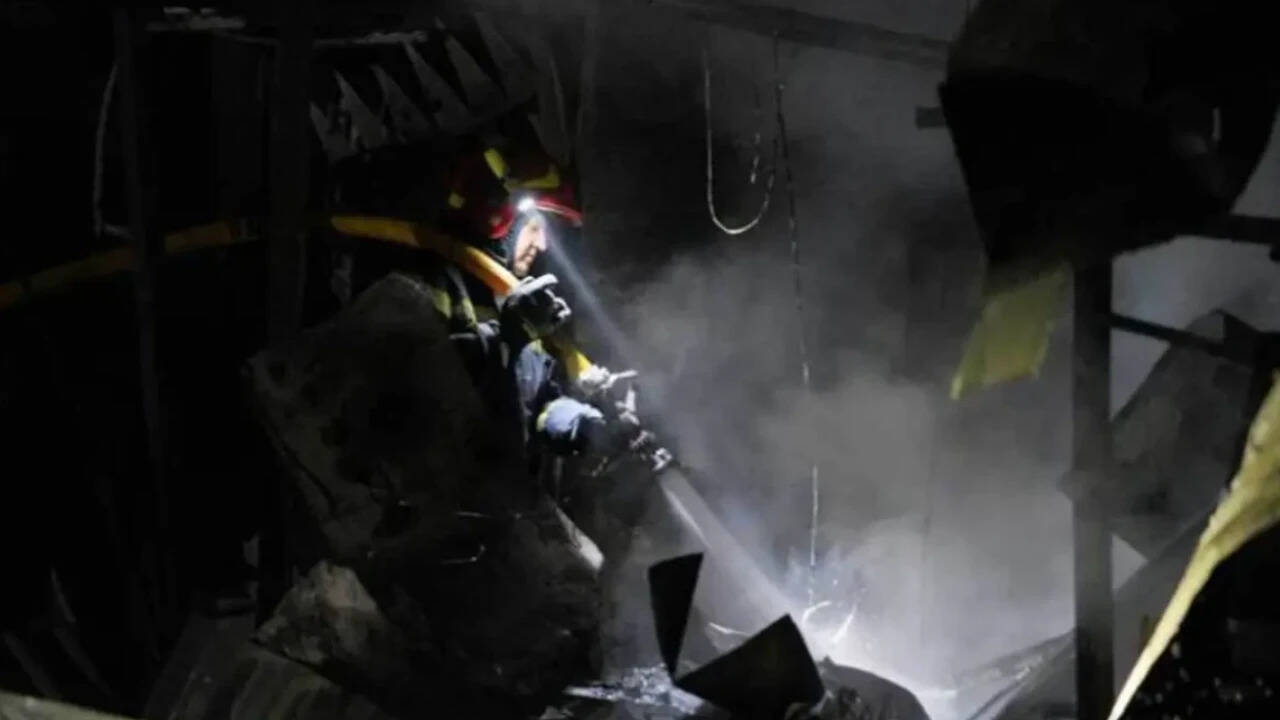
When an epidemic strikes a city of one million people, transport is everything. But on a critical morning in Bunia, the epicentre of the Democratic Republic of Congo's latest surge, the motor pool was empty. Every single official vehicle assigned to track the deadly virus was already out on the road.
Dr Moubarack Kano didn't wait around for a spare set of keys. He piled into his own white Subaru Forester, stuffed emergency alert forms into the side pockets, and set off. As a veteran field investigator who survived the brutal 2018-2020 epidemic—a crisis that claimed over 2,000 lives—he knows how this story usually goes. Right now, his team of just 27 investigators covering 23 health districts isn't stopping the disease. They are simply running behind it. For a different perspective, see: this related article.
The Reality of Chasing Shadows on the Ground
Outbreaks don't wait for administrative sign-offs or logistical restocked fleets. When investigators navigate Bunia's unpaved, potholed roads, every minute matters. Yet the barriers start at the very clinics meant to act as early warning systems.
Consider a routine stop at a small local facility with a peeling blue facade named Jesus is Saviour. Flipping through handwritten consultation registers reveals diagnoses like typhoid fever, an illness presenting early symptoms remarkably similar to Ebola. When Kano asks the nurse on duty about the central alert protocol, the response exposes a dangerous disconnect. The nurse knows the system exists, but she doesn't know the phone number to call. Similar insight on this matter has been provided by National Institutes of Health.
This isn't an isolated mishap. Across the city's health networks, tracking down transmission chains feels nearly impossible because local clinics routinely fail to report suspected cases.
Why Local Clinics Stay Silent
Public health strategies often fail to account for the harsh economic realities faced by frontline neighborhood clinics. In Bunia, reporting a suspected patient creates a direct conflict of interest.
When a facility flags a potential case, health authorities usually mandate transferring the patient to an isolation and treatment center. For a small private or community clinic, losing that patient means losing vital consultation and treatment revenue. Financial survival forces some clinic operators to look the other way.
Even when staff want to do the right thing, basic infrastructure gets in the way. Phone credit is a luxury. If a clinic manager runs out of airtime, calls to central command simply don't happen. Dr Rachel Ulingisayi, who oversees the city's surveillance grid, recalls a father who called to report his two sick children, only to call back two days later to announce they had already died while waiting for an overextended crew to arrive.
Human Resistance and Logistical Strain
Stopping an epidemic requires more than tracking symptoms; it requires earning public trust. That trust remains fragile.
At a facility in the Nyakasanja neighborhood, two young children lay head-to-toe on a single hospital bed, hooked up to intravenous lines while fighting high fevers and acute pain. Standard protocol demands immediate transfer to a specialized center for isolation and testing. Their mother flatly refused. She did not believe her children had Ebola, a skepticism born of deep-seated community weariness and misinformation. Surveillance teams had to deploy an emergency psychologist just to plead with the family, losing precious hours while the virus potentially found new hosts.
Compounding these operational hurdles is a demoralizing administrative failure. Frontline health workers report they have not received regular pay since the current outbreak officially began. Veteran investigators contrast this chaotic rollout with previous responses, pointing to severe planning gaps, rushed recruitment of inexperienced personnel, and persistent bottlenecks.
Later that afternoon, Kano's Subaru pulled up to a home where a 67-year-old man had died the previous afternoon. Specialized teams in heavy protective suits were already disinfecting the perimeter as anxious neighbors watched from a safe distance.
Kano started compiling a list of close contacts, tracing the dead man's final movements. He recorded the names, gathered the numbers, and did what he has done all month. He documented a tragedy that had already happened, knowing the virus had likely slipped ahead to the next street.