The death toll started at sixty-nine. In the North Kivu province of the Democratic Republic of Congo (DRC), that number is rarely a final tally; it is a placeholder. Initial reports from AFP and local activists point to a coordinated slaughter in the village of Masala, attributed to the Allied Democratic Forces (ADF). This is not just another flare-up of ethnic tension or a random act of banditry. It is a symptom of a systemic collapse where international peacekeeping and local governance have become effectively paralyzed.
The ADF, a group with historical roots in Uganda that has since pledged allegiance to the Islamic State, moved through the territory with a terrifying level of impunity. They didn't just kill; they signaled. By targeting civilians in a region theoretically under the protection of both the Congolese army and various international contingents, the militia demonstrated that the current security apparatus is a paper tiger.
The Geography of State Absence
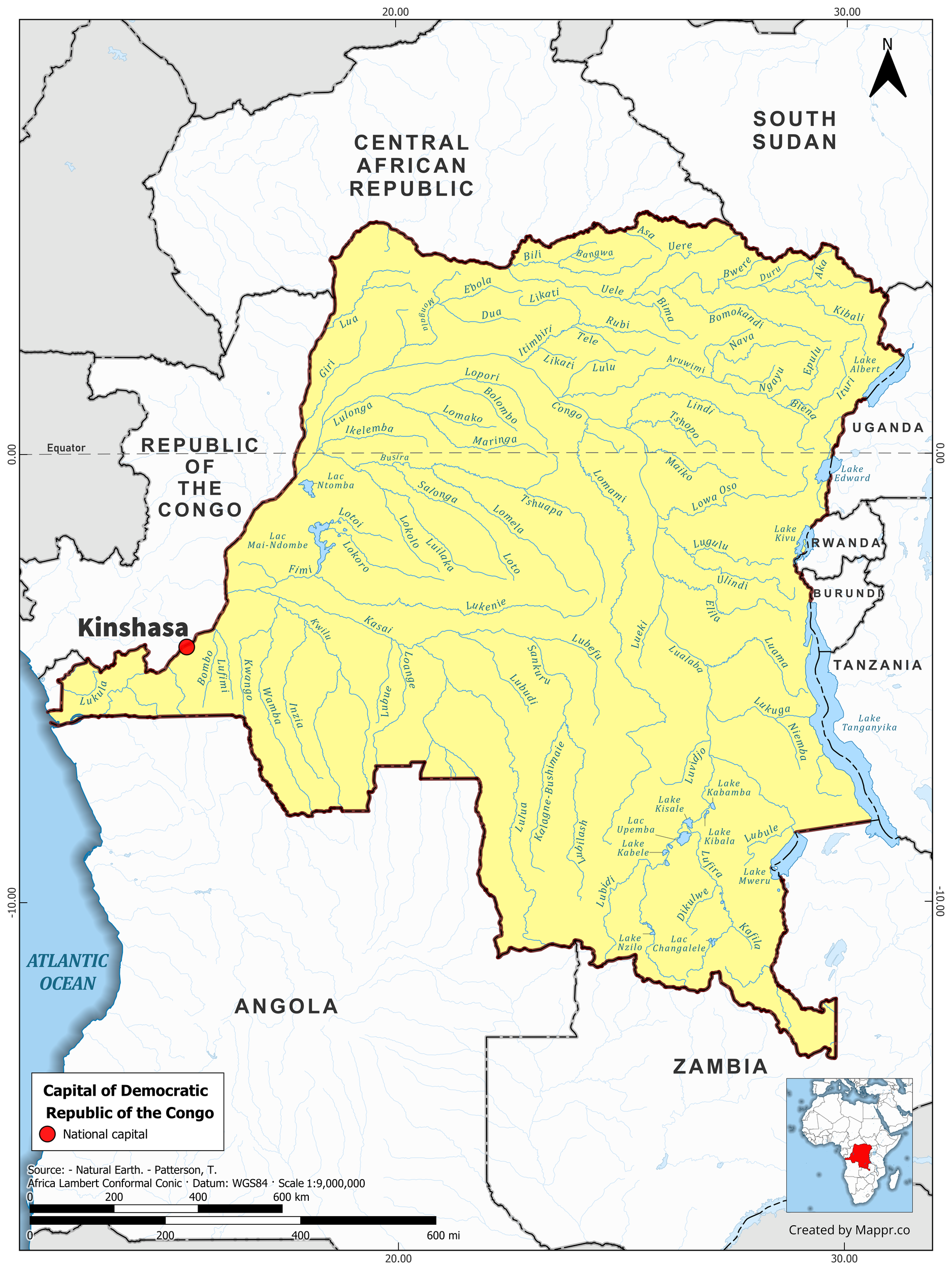
To understand why sixty-nine people can be murdered in a single night without a meaningful response, you have to look at the terrain. The Beni territory is a dense, mountainous labyrinth. It is the perfect incubator for insurgency. The DRC government in Kinshasa is thousands of miles away, both geographically and psychologically. For the people of Masala, the state is a ghost.
When the state is absent, militias fill the vacuum. The ADF has spent decades perfecting this. They have integrated into local economies, often taxing the very people they terrorize. They aren't just "rebels" in the classic sense. They are a mobile, predatory economy. They survive because they are more consistent than the government. If the Congolese army shows up, they stay for a week and leave. When the ADF shows up, they stay until they have extracted every ounce of value from the land and the people.
The failure here is operational. The Congolese army (FARDC) is plagued by internal corruption and a lack of resources. Soldiers are often underpaid or not paid at all, leading to a "live off the land" mentality that further alienates the civilian population. When the alarm was raised in Masala, the delay in response wasn't measured in minutes, but in hours. By the time the first uniforms arrived, the forest had already swallowed the attackers.
The Myth of International Protection
For years, the United Nations mission, MONUSCO, was touted as the solution. It was one of the largest and most expensive peacekeeping operations in history. Today, it is packing its bags. The Congolese government, facing immense public pressure from a population tired of seeing blue helmets stand by while massacres occur, has demanded their withdrawal.
The tragedy of the Masala attack is that it confirms the worst fears of the withdrawal’s critics while vindicating the anger of its supporters. The UN’s presence created a false sense of security. It provided a buffer that allowed the central government to ignore its own responsibility to build a functioning national army. Now that the buffer is thinning, the raw vulnerability of the Kivu provinces is laid bare.
We are seeing a shift toward regional interventions—SADC (Southern African Development Community) forces and East African groupings. But shifting the flags on the armored vehicles doesn't change the fundamental math. Without a local police force that the villagers actually trust, and without a judiciary that can prosecute captured militants instead of letting them slide back into the jungle through a porous prison system, the body counts will only rise.
Resource Wealth as a Death Sentence
The violence in Eastern Congo is frequently framed as "senseless." This is a lazy analytical trap. The violence makes perfect sense when you look at the supply chain. North Kivu is a treasure chest of coltan, gold, and timber. The ADF and their various rivals—including the M23 rebels further south—are stakeholders in a global market.
The chaos is the point. If the region were stable, if there were paved roads and transparent border crossings, the informal, lucrative trade in conflict minerals would vanish. The militia leaders don't want to "win" a war; they want to maintain a state of perpetual, low-level conflict that keeps the regulators out and the smugglers in. Every person killed in Masala is a data point in a broader strategy to keep the region ungovernable.
This isn't just a Congolese problem. The tech companies in Silicon Valley and the jewelers in Antwerp are the silent partners in this arrangement. As long as there is a market for untraceable minerals, there will be a budget for the machetes and ammunition used in the Beni territory.
The Intelligence Gap
One of the most damning aspects of the Masala massacre is the reported failure of intelligence. In a region saturated with NGOs, UN observers, and military intelligence units, a movement of fighters large enough to execute seventy people should have been detected.
The reality is that intelligence in the DRC is siloed. The various actors—FARDC, Ugandan forces (UPDF), and UN remnants—often don't share real-time data due to mutual suspicion. The ADF exploits this friction. They move across borders and between jurisdictions, knowing that the bureaucracy of their hunters is their best defense.
The Human Cost of Diplomacy
While diplomats in New York and Geneva debate the nuances of "peacebuilding frameworks," the survivors in North Kivu are burying their dead in shallow graves. The international community’s approach has been one of "containment" rather than "resolution." The goal has been to keep the violence from spilling over into a full-scale regional war, while effectively ceding the rural villages to the militias.
This containment strategy is reaching its breaking point. The radicalization of the ADF, fueled by its ties to global extremist networks, means the group is no longer just interested in local turf. They are adopting the tactics of international terror—public executions, suicide bombings, and the deliberate, theatrical slaughter of non-combatants to gain "brand" recognition in the global jihadi ecosystem.
The Road to Actual Security
Fixing this requires a brutal honesty that is currently missing from the political discourse. The Congolese government cannot "reclaim" the east through military might alone. They must reclaim it through the provision of services.
- Civilian Infrastructure: Security starts with roads. If the army can't reach a village in thirty minutes, the village is lost.
- Military Reform: The FARDC needs a total overhaul of its payroll and logistical systems to prevent "ghost soldiers" and the selling of ammunition to the very rebels they are supposed to fight.
- Traceability: Global pressure on the mineral supply chain must move from voluntary "best practices" to hard, enforceable legal sanctions for companies using blood-stained coltan.
The massacre at Masala will be forgotten by the global news cycle in forty-eight hours. For the survivors, it is the beginning of a generational trauma that will feed the next cycle of recruitment. Until the cost of maintaining the status quo becomes higher than the cost of fixing the state, the ADF will continue to operate with the knowledge that the world is, quite literally, not watching.
Stop looking for a "peace deal" with groups that have no interest in peace. Start building a state that makes the militia's existence obsolete.