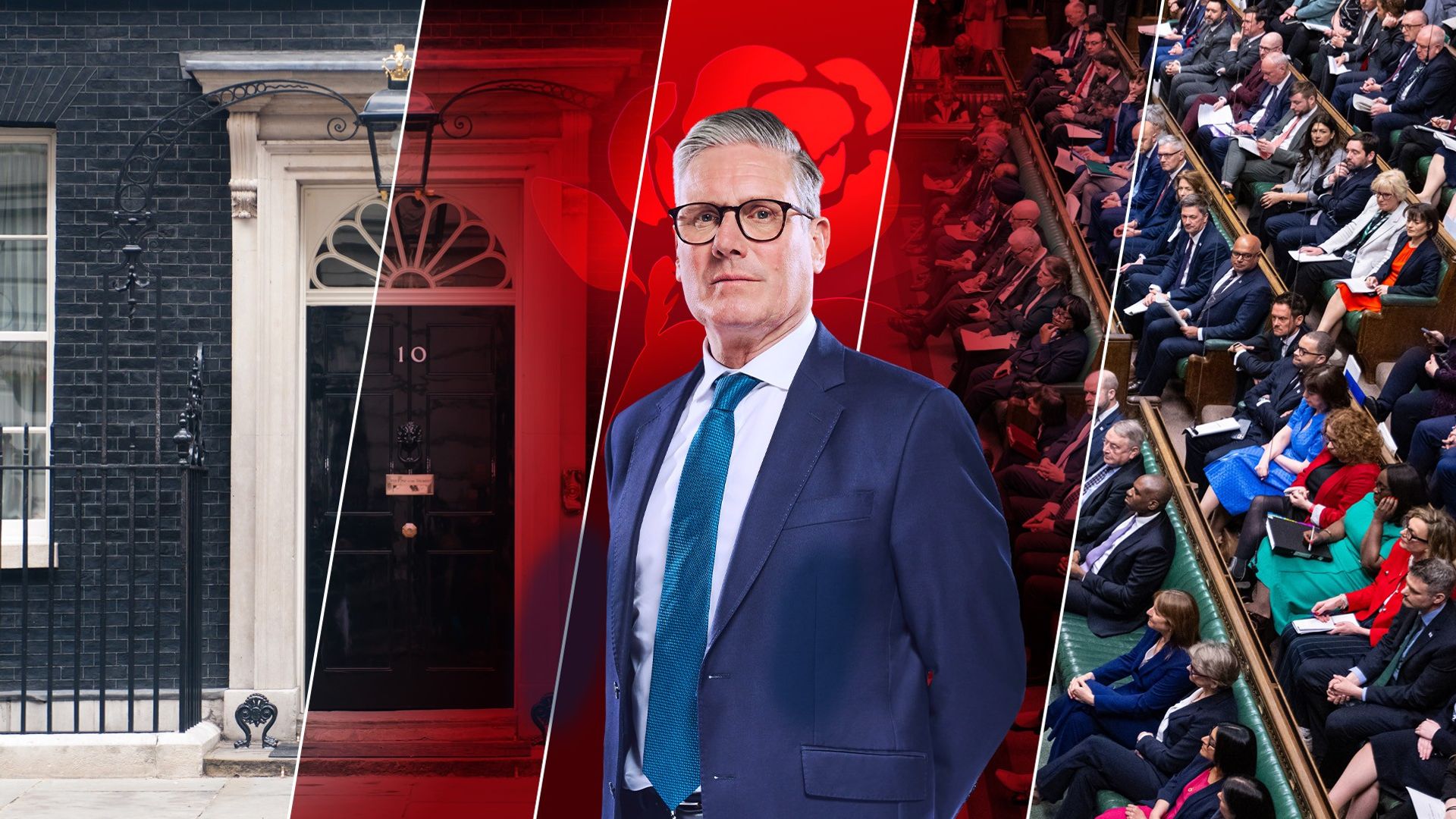
The air in the Palace of Westminster doesn't just sit; it heavy-presses against the lungs, thick with the smell of floor wax and the ghost of a thousand desperate compromises. It is a place where a whisper in a corridor can carry more weight than a shout in the Chamber. Right now, that whisper is turning into a rhythmic drumming.
Keir Starmer walked into Number 10 Downing Street with a mandate that looked, on paper, like an armored fortress. A landslide. A sea of red on the map. But a majority is not a monolith. It is a collection of individual humans, each with a constituency back home that feels less like a voter base and more like a jury. For a growing number of Labour MPs, the verdict is coming in early, and it is harsh.
The rebellion isn't a sudden explosion. It is a slow-motion structural failure. It starts with the letters.
The Quiet Geometry of Dissent
To understand the scale of the mutiny, you have to look past the official press releases. You have to look at the "No" votes on the King’s Speech and the icy silence during Prime Minister’s Questions. As of this week, the number of MPs publicly signaling that the Prime Minister’s time is up—or at the very least, that his current path is untenable—has crossed a psychological threshold.
It isn't just the "usual suspects" from the left-wing Campaign Group anymore. The fringe is moving toward the center.
Consider a hypothetical MP named Sarah. She represents a "red wall" seat that swung back to Labour after years of Tory dominance. Her voters didn't choose her because they loved every line of the manifesto; they chose her because they were tired of being cold and tired of being poor. When she goes back to her surgery on a Friday afternoon, she sits across from a pensioner who has to decide between a warm meal and a warm room because the Winter Fuel Payment was scrapped.
Sarah looks at that constituent, and then she looks at the polling. She realizes that her political survival is no longer tied to the Prime Minister’s success. It is tied to her distance from his failures.
This is the human calculus of a coup.
The Policy of Thin Ice
The friction points are visible, jagged, and drawing blood. The decision to maintain the two-child benefit cap was the first real fracture. To the leadership, it was a display of "fiscal responsibility"—a signal to the markets that the days of the blank check were over. To many backbenchers, it felt like a betrayal of the party's soul.
Then came the cuts to energy subsidies.
In the grand, echoing halls of the Treasury, these are line items on a spreadsheet. In a terraced house in Wigan or a high-rise in Peckham, they are life-altering catastrophes. When the leadership demands "tough choices," the backbenchers are the ones who have to explain those choices to people who have nothing left to give.
The list of those calling for a change at the top is a roll call of different anxieties. Some are veterans of the Blair and Brown years who smell the scent of a government losing its grip. Others are "Class of 2024" freshmen who are terrified that their dream job will end in four years because of a policy platform they never truly believed in.
The Ghost of Governments Past
Politics is a game of momentum. Once you lose it, the friction of the world starts to grind you down. We have seen this cycle before, most recently with the revolving door of Conservative leaders. The irony is thick enough to choke on: Labour spent years mocking the Tories for their internal bloodletting, yet here they are, sharpening the knives before the first year is even out.
The Prime Minister’s inner circle believes they can weather the storm. They rely on the sheer size of the majority. They think they can lose fifty, sixty, even seventy MPs on a vote and still govern.
They are wrong.
A government doesn't die when it loses a vote. It dies when its own members stop defending it at the dinner table. It dies when the "payroll vote"—those junior ministers and parliamentary private secretaries—start looking for the exit.
The Architecture of a Falling House
If you look at the names—from the vocal critics like Zarah Sultana and Ian Byrne to the more cautious, behind-the-scenes dissenters—a pattern emerges. The rebellion is diversifying. It is no longer just about ideology. It is about competence. It is about the "freebies" scandal that made the leadership look out of touch while they asked the public to tighten their belts.
Imagine the atmosphere in the Tea Room. It’s the one place in the Commons where the cameras can't go. It’s where the real power resides. Usually, it’s a place of gossip and lighthearted venting. Now, it is a war room. Groups of three or four hunch over plastic trays, speaking in low tones, checking their phones for the latest Westminster Insider leaks.
They are counting. They are always counting.
They know that the threshold for a leadership challenge is high, but the threshold for "irreparable damage" is much lower. Every time another MP goes on the record to say the direction must change, the armor on Number 10 thins.
The stake isn't just a job or a title. The stake is the credibility of the British political system itself. After a decade of upheaval, the public was promised "change." If that change looks exactly like the old status quo—just with a different color tie—the cynicism that follows will be a poison that no election can cure.
The Weight of the Silence
There is a specific kind of quiet that precedes a collapse. It’s not the absence of sound; it’s the sound of people holding their breath.
The Prime Minister is currently standing in that silence. He is betting that the public’s desire for stability will outweigh their anger over his early missteps. He is betting that his MPs are too afraid of a snap election to actually pull the trigger.
But fear is a volatile fuel. Eventually, the fear of losing their seats to a resurgent opposition or a populist surge becomes greater than the fear of the Chief Whip’s office.
The list of names is growing. Not because of a grand conspiracy, but because of a thousand individual realizations that the ship is taking on water. You can tell the crew to keep rowing, you can tell them the destination is worth the hardship, but once they see the captain heading for the ice, the rowing stops.
The water is cold. The walls are cracking. And in the corridors of power, the whispers are starting to sound like an ending.
The light in the window of Number 10 stays on late into the night, a yellow square against the black London sky, but it no longer looks like a beacon. It looks like a candle burning down to the wick.