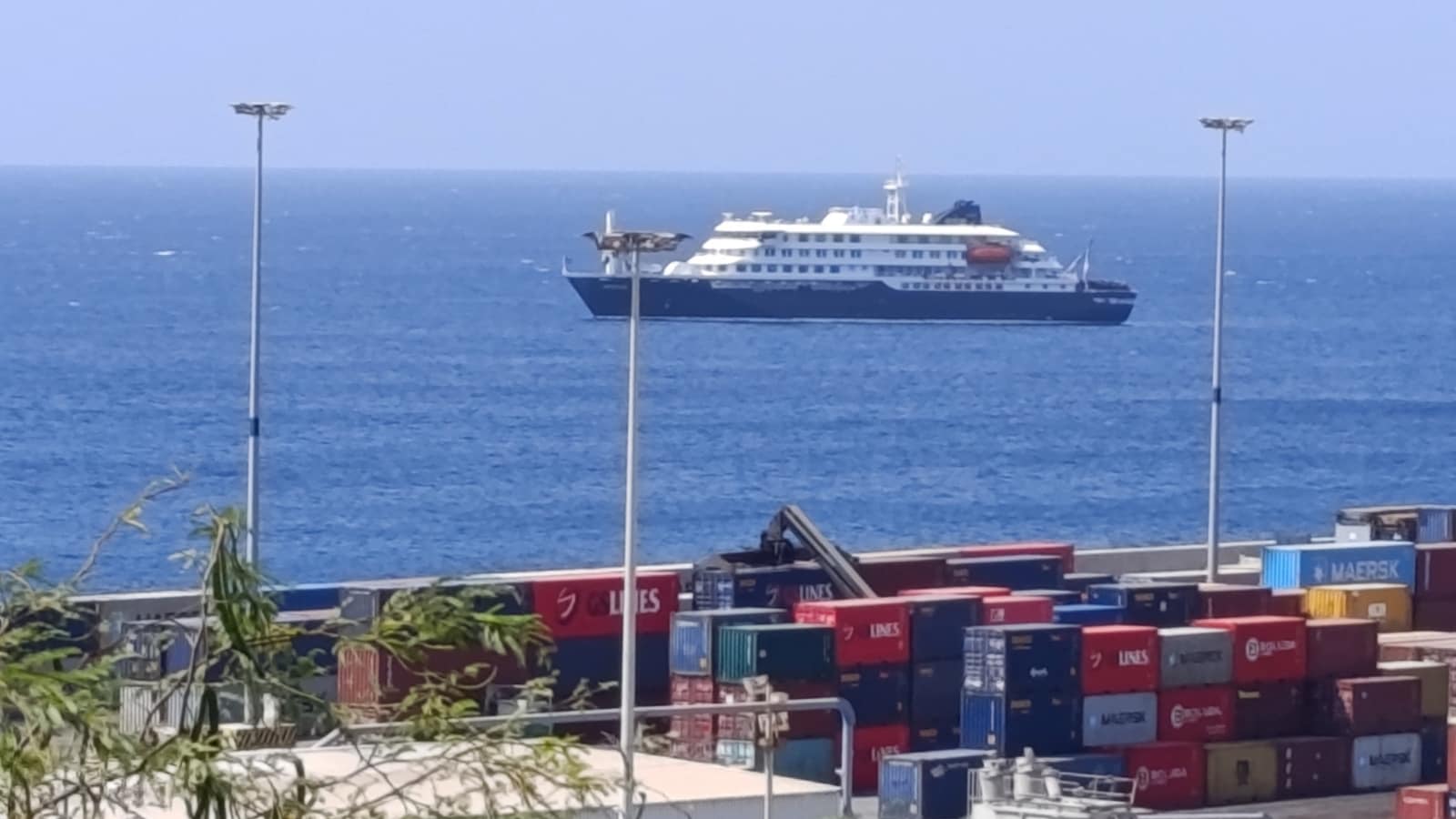
The global health community just breathed a massive sigh of relief. On July 2, 2026, World Health Organization Director-General Dr. Tedros Adhanom Ghebreyesus officially declared the hantavirus outbreak aboard the luxury expedition cruise ship MV Hondius over. The announcement came after the final person under observation wrapped up a grueling 42-day quarantine, tested negative, and headed home.
No new cases have surfaced since May 25. Honestly, it is a minor miracle that the final tally stopped at 13 cases and three deaths.
When you hear "hantavirus," you probably think of dusty cabins, rural barns, and mouse droppings. You don't think of a luxury cruise liner where berths cost up to €22,000. But this wasn't your standard rodent-to-human infection. The nightmare that unfolded on the MV Hondius involved the Andes virus, a specific hantavirus strain that does something most others can't: it spreads from person to person.
The Luxury Voyage That Turned Into a Quarantine Trap
The MV Hondius set sail from Ushuaia, Argentina, on April 1, packed with passengers eager to see Antarctica and the remote islands of the South Atlantic. What they didn't know was that the virus was already on board.
Public health investigators believe the primary patient caught the virus while on a bird-watching trip in northern Argentina and Chile before ever stepping onto the ship. The locations they visited were known habitats for the specific long-tailed pygmy rice rat that carries the Andes strain.
By April 6, that first passenger showed symptoms. Five days later, they died at sea.
MV Hondius Outbreak Timeline:
April 1: Ship departs Argentina
April 6: First patient develops symptoms
April 11: First death occurs at sea
April 24: 30 passengers disembark at Saint Helena
April 26: Second death occurs in a Johannesburg hospital
May 2: Third death occurs; UK triggers WHO alert
May 10: Ship docks in Tenerife for mass evacuation
May 25: Date of the last reported case
July 2: WHO officially declares the outbreak over
Because the initial death was chalked up to natural causes, life on the ship carried on. The virus found a perfect incubator in the close, shared spaces of a cruise ship.
By the time the United Kingdom triggered an official alert under the International Health Regulations on May 2, panic had set in. The ship tried to dock in Cape Verde, but local authorities simply didn't have the medical infrastructure to handle a high-consequence pathogen safely. The ship was forced to keep sailing until Spain allowed them to dock in Tenerife on May 10 under strict isolation protocols.
Why the Andes Virus Rules Are Different
Most hantaviruses are a dead end for transmission. If you breathe in dust contaminated with infected mouse urine or droppings, you get sick, but you can't pass it to your family. The Andes strain blows that rule apart.
It is the only known hantavirus capable of human-to-human transmission. It requires close, prolonged contact, which is exactly what happens when you are sharing a cabin or dining tables on an ocean voyage.
The clinical reality of this disease is brutal. It causes Hantavirus Pulmonary Syndrome, which basically floods the patient's lungs with fluid, making it impossible to breathe. There is no specific antiviral treatment. There is no vaccine. Doctors can only offer supportive care, like putting patients on ventilators and hoping their immune systems win the fight. With a mortality rate that can hover around 30% to 40% in typical outbreaks, the fact that only three people died out of 13 cases means the medical response teams did an incredible job once they realized what they were dealing with.
The Massive Logistics of Containment
Containing this mess required an absolute beast of a public health operation. More than 650 close contacts scattered across 33 different countries had to be tracked down, isolated, and monitored.
Think about the sheer chaos of that tracking. Passengers were evacuated from Tenerife on chartered flights to Europe and Canada. Eighteen Americans who were close contacts had to undergo a strict 42-day monitoring period that only wrapped up in late June.
The Spanish government had to build a makeshift secure transit zone on the docks of Tenerife just to get people off the vessel without exposing airport staff or locals. The ship itself eventually sailed to Rotterdam for a total, aggressive chemical disinfection before the crew could even think about going home.
What Happens Next
The threat isn't gone just because this single outbreak is over. The WHO is currently coordinating a massive research study spanning 21 countries to figure out exactly how the Andes virus behaves under the hood. The goal is to use data from the MV Hondius to kickstart the development of better rapid diagnostics and, hopefully, a viable vaccine.
If you are planning an expedition trip to South America or rural wilderness areas, don't cancel your plans, but do stop overthinking the odds and start acting smart.
- Avoid enclosed, unventilated spaces in rural endemic zones, especially areas showing signs of rodent activity.
- Do not sweep or vacuum areas where rodents may have been; this kicks the virus into the air where you can breathe it in. Use disinfectant spray instead.
- Check the medical transit infrastructure of your cruise operator before booking extreme, remote itineraries.
International public health cooperation managed to put the lid back on this box before it turned into a global disaster. But as wild spaces shrink and eco-tourism expands, the MV Hondius won't be the last ship to bring a wilderness pathogen out to sea. This time we got lucky. Next time, we need a vaccine.