Health and Human Services Secretary Robert F. Kennedy Jr. claims the massive nationwide cyclosporiasis outbreak is "under control."
It isn't. Discover more on a related issue: this related article.
While federal health officials scramble to project confidence, thousands of Americans are suffering from severe gastrointestinal symptoms tied to the microscopic parasite Cyclospora cayetanensis. The discrepancy between Washington's public statements and the reality in state public health labs reveals a concerning breakdown in food safety infrastructure. If you've been following the news about contaminated lettuce and sudden recalls, you know the situation is chaotic. The truth behind the surge in cases involves structural shifts in how foodborne illness is monitored.
Understanding the Parasite Behind the Outbreak
Cyclosporiasis comes from a single-celled parasite that enters the body when someone ingests food or water contaminated with microscopic amounts of human feces. It isn't a bacterial infection like Salmonella or E. coli, which means standard antibacterial treatments don't always apply, and standard washing techniques often fall short. More analysis by Medical News Today highlights related views on this issue.
Spoiled/Contaminated Produce -> Ingestion of Cyclospora Oocysts -> 2-14 Day Incubation -> Severe Gastrointestinal Illness
The parasite requires time outside the host to become infectious, which usually takes days or weeks. Fresh produce like imported leafy greens, berries, and fresh herbs are primary vehicles for transmission. Once consumed, symptoms take roughly two days to two weeks to appear, making traceback investigations difficult.
Patients experience a wide array of unpleasant symptoms:
- Watery, explosive diarrhea that can last for weeks if untreated
- Severe abdominal cramping and bloating
- Loss of appetite and rapid weight loss
- Low-grade fever, nausea, and persistent fatigue
Because the parasite can cause symptoms that wax and wane over two months, patients often believe they're recovering, only to relapse days later.
What RFK Jr. Claims Versus the Case Numbers
In a press briefing on healthcare fraud, Kennedy stated that federal epidemiologists had identified the source of the outbreak and that involved companies had implemented recalls. "We have the outbreak under control," he declared.
However, official numbers tell a very different story. CDC data indicates over 1,600 confirmed cases and thousands of pending reports across 34 states, with over 100 hospitalizations. Michigan alone reported thousands of cases, far outpacing initial federal tallies.
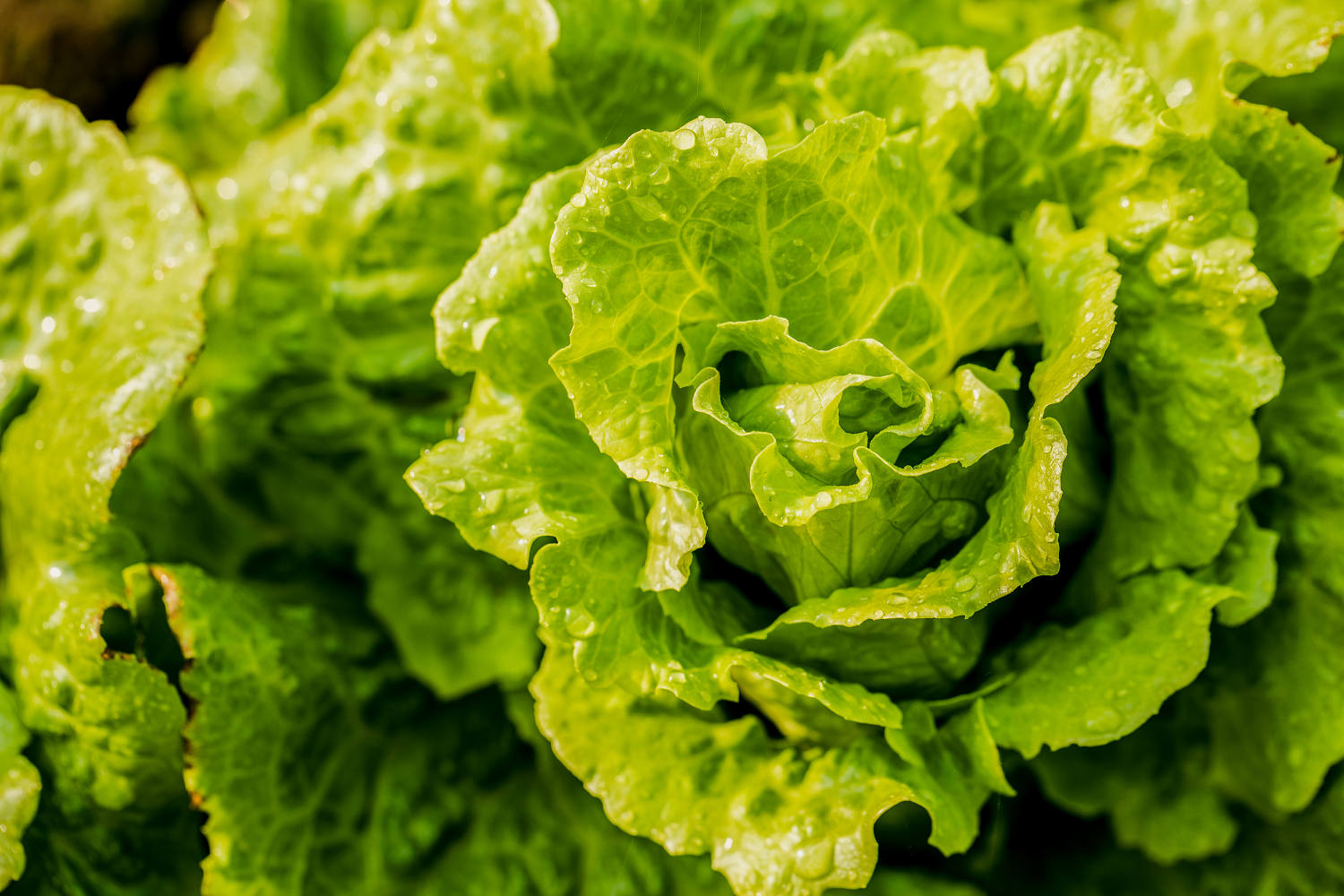
The confusion deepened when the Food and Drug Administration (FDA) issued a massive recall for shredded iceberg lettuce linked to produce supplier Taylor Farms and fast-food chains like Taco Bell. Less than 48 hours later, the agency retracted the core lab finding, calling it a "false positive" due to testing complexity.
"Due to the complexity in detection of Cyclospora, FDA laboratory experts re-reviewed the sample results and have concluded that the finding does not represent true amplification and should be considered a false positive." — FDA Statement
When the primary regulatory body rescinds its own positive sample test while thousands remain sick, declaring an outbreak "under control" is premature. The long incubation period of Cyclospora means that even if all contamination stopped today, new cases would continue popping up well into late summer.
The Surveillance Program Gap
Why was the response so disjointed? The answer lies in administrative changes made to public health tracking over the last year.
The CDC's Foodborne Diseases Active Surveillance Network (FoodNet) historically tracked eight core foodborne pathogens, including Cyclospora. Under recent policy changes, mandatory surveillance was narrowed to just two pathogens: Salmonella and Shiga toxin-producing E. coli. Tracking Cyclospora became optional for participating sites.
Historical FoodNet Tracking:
[Salmonella] [E. coli] [Cyclospora] [Listeria] [Campylobacter] [Shigella] [Yersinia] [Vibrio]

Current Mandatory Tracking:
[Salmonella] [E. coli]
When criticized about these cutbacks, Kennedy maintained that the changes removed "redundant surveillance" and that states still retain the ability to perform forensic testing. Critics, including Senator Jon Ossoff and infectious disease specialists, counter that removing routine baseline monitoring slows down early detection. Without continuous active surveillance, an outbreak spreads quietly before local health departments collect enough matching data to flag a widespread issue. Combined with staffing reductions across federal public health agencies, the response infrastructure was stripped of its speed.
How to Protect Yourself During a Produce Outbreak
You don't need to panic, but you should take sensible precautions while produce tracebacks continue. Standard routine washing under tap water helps, but it won't remove every parasite encrusted on raw vegetables.
Wash Produce Thoroughly
Rinse all fresh fruits and vegetables under cold running water before eating, peeling, or cooking. Scrub firm produce like cucumbers or melons with a clean produce brush.
Cook Suspect Vegetables
Cyclospora parasites are killed by heat. If you're in an affected state or want to eliminate risk, cook your leafy greens and vegetables thoroughly rather than eating them raw in salads.
Separate Food Prep Tools
Avoid cross-contamination. Use separate cutting boards for raw meats and produce that will be consumed raw, and clean all utensils with hot, soapy water immediately after use.
Know When to See a Doctor
If you experience persistent, watery diarrhea lasting more than three days accompanied by severe fatigue, request a specific stool test from your healthcare provider. Standard stool cultures often miss parasites like Cyclospora unless the lab specifically orders a molecular PCR test or parasitic examination. The standard treatment involves a specific regimen of trimethoprim-sulfamethoxazole (commonly known as Bactrim or Septra), as standard over-the-counter anti-diarrheal medications won't clear the underlying infection.
Keep an eye on local health department advisories for updated recall lists, and toss out any implicated packaged lettuce or fresh produce items immediately.
.png?width=1200&auto=webp&trim=0%2C0%2C0%2C0)