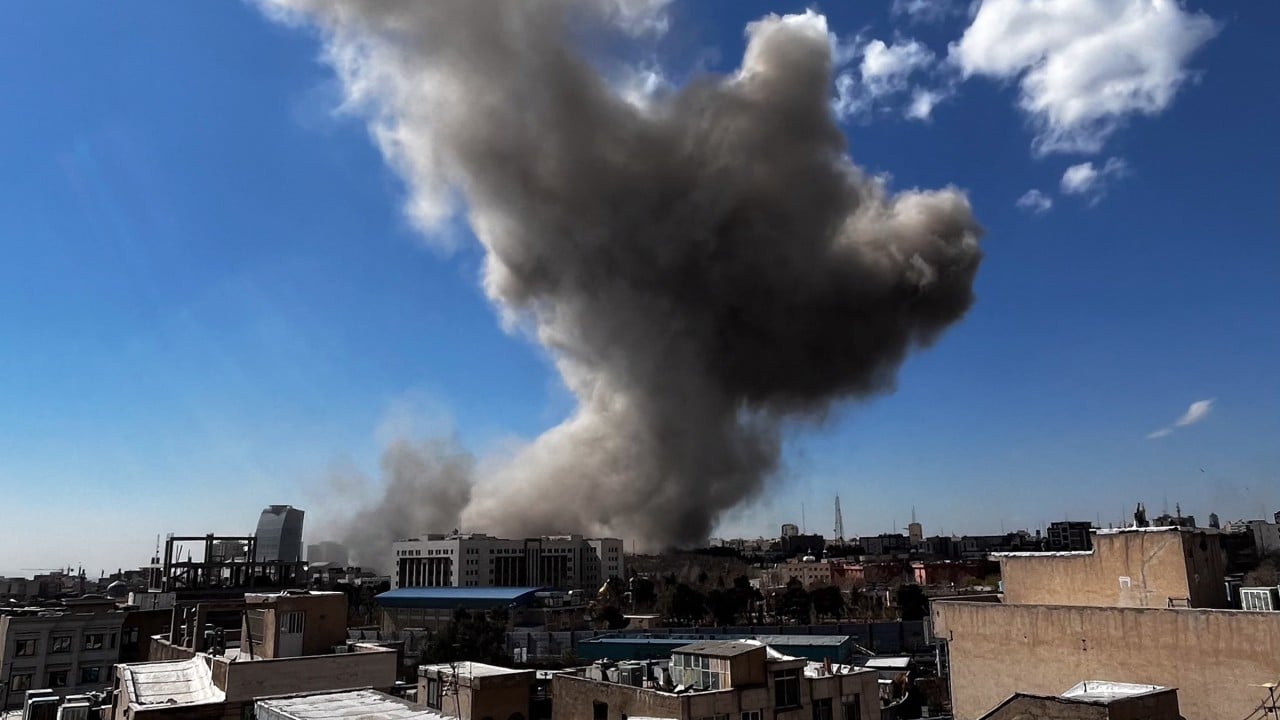
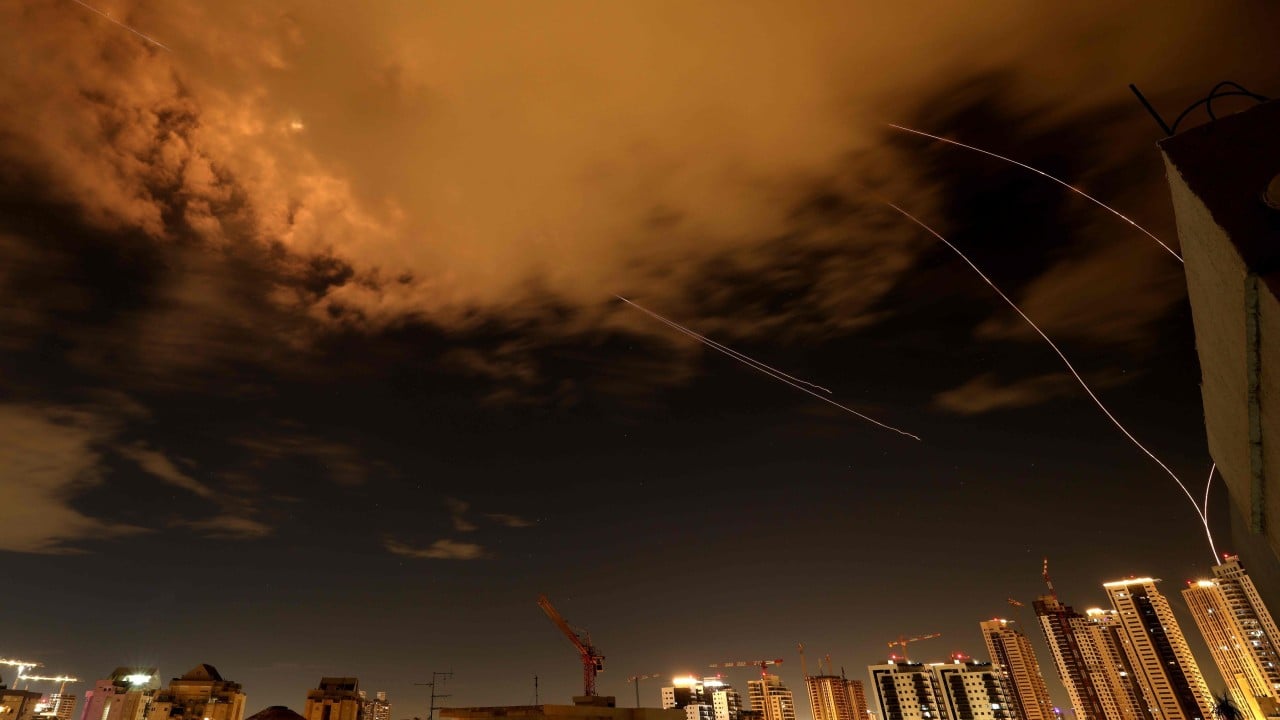
Donald Trump says he wants to talk. He says he wants a deal. But while the rhetoric coming out of the White House leans toward diplomacy, the steel moving across the Persian Gulf tells a different story. You can’t ignore the hardware. When the Pentagon shifts carrier strike groups and B-52 bombers into striking distance, the "let's grab a coffee" invitation starts to feel like a shake-down. It’s a classic high-stakes gamble. Trump’s "Maximum Pressure" campaign is hitting a fever pitch, and we’re all watching to see if it leads to a breakthrough or a massive regional explosion.
The current situation is a mess of contradictions. On one hand, you have a President who built his political identity on ending "forever wars." He hates the cost. He hates the lack of a clear exit. Yet, his administration keeps pouring gasoline on the driest tinderbox in the Middle East. It’s not just about sanctions anymore. We’re seeing a physical buildup that mirrors the lead-up to the 2003 Iraq invasion, even if the stated goal is supposedly just "deterrence."
Why Maximum Pressure Might Be Backfiring
The theory behind Maximum Pressure is simple. You choke the Iranian economy until the regime has no choice but to come to the table and beg for a better deal than the 2015 JCPOA. It sounds logical on paper. If you lose 80% of your oil revenue and your currency loses half its value, you’re in trouble. But humans don’t always act logically under pressure. Sometimes, they lash out.
Iran isn't a monolith. There are hardliners in the IRGC (Islamic Revolutionary Guard Corps) who want this fight. To them, every US troop movement is a gift. It justifies their existence. It lets them crack down on internal dissent by labeling everyone a foreign agent. When the US designates the IRGC as a foreign terrorist organization, it doesn't just hurt their bank accounts. It backs them into a corner where their only move is to prove they can still hurt back.
The Strait of Hormuz Factor
Look at the geography. It’s a nightmare for global stability. About 20% of the world's petroleum passes through the Strait of Hormuz. It’s a narrow choke point. Iran knows this is their best leverage. They don't need a massive navy to cause chaos. They just need a few dozen fast-attack boats and some sea mines.
When the US moves the USS Abraham Lincoln into the region, it’s a show of force. But it also creates more targets. If a single nervous sailor on either side pulls a trigger, the escalation ladder becomes a vertical climb. We’ve seen this movie before. In the 1980s "Tanker War," things stayed relatively contained, but the world is much more interconnected now. A spike in oil prices today would trigger a global recession faster than you can say "inflation."
The Intelligence Gap and the Ghost of 2003
National Security Advisor John Bolton is a key player here. If you’ve followed his career, you know he hasn't met a regime change he didn't like. This is where things get shaky. The administration claims "credible threats" from Iran against US forces. They haven't shown much of the homework.
We should be skeptical. Not because Iran is innocent—they clearly use proxies like Hezbollah and the Houthis to stir the pot—but because intelligence can be massaged to fit a policy. Remember the "slam dunk" evidence for WMDs in Iraq? The American public hasn't forgotten. Neither has the international community. European allies are basically ignoring US calls for more sanctions because they don't trust the narrative. They see the troop movements as a provocation rather than a response.
Allies Are Running for the Hills
The US used to lead coalitions. Now, it’s mostly going it alone. Germany, France, and the UK are trying to set up "INSTEX," a workaround system to keep trading with Iran despite US sanctions. It’s a direct slap in the face to Washington. It shows just how much diplomatic capital has been burned.
If a war does break out, the US might find itself without the logistical support it's used to. Using bases in Qatar or the UAE becomes a political nightmare for those countries if they think the US started the fight. It's a lonely spot for a superpower.
The Logistics of a Potential Conflict
Moving troops isn't just about the soldiers. It’s about the tail. For every combat troop, you need a massive support network. We’re seeing Patriot missile batteries being deployed to several countries in the region. That’s a defensive move, sure, but it also signals that the US expects incoming fire.
The Pentagon is also sending B-52s to Al Udeid Air Base. Those aren't "surgical strike" tools. Those are "level a city block" tools. The optics are terrible for someone claiming they want peace talks. It’s like showing up to a first date with a baseball bat and asking if they want to get dessert.
What Happens if the Sanctions Fail
Sanctions are a slow-motion weapon. They take months, even years, to really bite. Iran is already feeling the pain, but the regime is built on "Resistance Economy" principles. They've survived decades of isolation. If the goal is a new treaty, the US needs to offer a carrot, not just a bigger stick.
Right now, there’s no carrot. Trump withdrew from the nuclear deal while Iran was still complying with it. From Tehran's perspective, why would they sign another deal with a country that breaks its word every four to eight years? It’s a valid question. Without some sort of guarantee or immediate sanctions relief, the talks Trump wants are never going to happen.
The Proxies are the Real Danger
War probably won't start with a direct missile strike between Washington and Tehran. It'll start in a third-party country. Iraq is the most likely candidate. There are thousands of US troops there, and there are dozens of Iranian-backed militias.
If one of those militias lobbs a mortar into the Green Zone in Baghdad and kills an American, the response will be swift. Trump has signaled he'll hold Tehran responsible for the actions of its proxies. That’s a dangerous policy. It gives small, radical groups the power to start a global conflict. It’s the ultimate "tail wagging the dog" scenario.
The Economic Fallout You Aren't Being Told About
Everyone talks about the price of gas. That’s the obvious one. But a conflict with Iran would wreck global shipping insurance. If insurance companies decide the Persian Gulf is a "war zone," the cost of moving anything—from iPhones to grain—skyrockets.
We’re talking about a massive supply chain shock. During the 2019 tanker attacks, insurance premiums for the region jumped by 10%. A full-scale war would see those rates go up 1000%. Most shipping companies simply wouldn't go. The global economy is already fragile. We don't have the buffer for this kind of disruption.
Checking the Rhetoric Against the Reality
Trump likes to tweet big. He likes to sound like the toughest guy in the room. But he also knows that a war in the Middle East would likely tank his reelection chances. He ran on getting out. His base doesn't want another trillion-dollar war.
This creates a weird dynamic where the President might be bluffing, but his subordinates are playing for keeps. It’s a recipe for a catastrophic misunderstanding. If Iran thinks an invasion is imminent, they might decide to strike first to gain a tactical advantage. In military circles, this is "use it or lose it" logic. If you think your airfields are about to be bombed, you launch your planes now.
The Nuclear Wildcard
Iran has already started ramping up its uranium enrichment beyond the limits of the 2015 deal. They’re doing it openly. It’s a cry for attention. They’re saying, "If you don't give us the economic relief you promised, we’re going back to the old way."
This puts Israel and Saudi Arabia in a tough spot. They won't tolerate a nuclear Iran. If the US doesn't act, they might. That drags the US into a war it didn't even start. It’s a house of cards.
Stop Waiting for a Clean Resolution
There won't be a neat ending to this. This isn't a movie where the hero and the villain shake hands in the final scene. We are looking at a long, grinding period of "gray zone" warfare. Cyberattacks, sabotage, and proxy skirmishes are the new normal.
If you want to understand where this is going, stop listening to the press briefings. Watch the flight trackers. Watch the carrier movements. The military doesn't move these assets for fun. They move them because they expect to use them.
The best thing you can do is stay informed through multiple sources. Don't rely on just the mainstream news cycle. Look at independent geopolitical analysts who don't have a political dog in the fight. Pay attention to the oil markets—they’re usually the first to sniff out a real conflict before the politicians admit it’s happening. If you have investments, diversify out of sectors that are heavily reliant on stable energy prices. The next few months are going to be a bumpy ride, and being prepared is the only way to not get blindsided by a sudden headline.
Monitor the situation in the Strait of Hormuz daily. If you see shipping companies diverting vessels around the Cape of Good Hope, you know the situation has crossed a point of no return. Check the official notices from the US Maritime Administration (MARAD). They provide the most direct data on threats to commercial shipping. That's your early warning system. Use it.