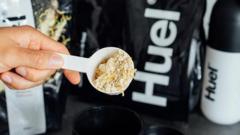
The rumors finally turned into a billion-euro reality. Danone, the French dairy and water giant, just dropped roughly €1bn to bring British supplement star Huel into its massive portfolio. It’s a move that feels both inevitable and slightly jarring for the hardcore "Hueligan" community. You’ve seen the black t-shirts and the shaker bottles in every gym and tech office for the last decade. Now, that indie, utilitarian vibe is officially part of a corporate machine that moves millions of tons of yogurt and Evian every single day.
This isn’t just another acquisition in the food space. It’s a loud signal that the era of "fringe" nutrition is over. When a company like Danone spends ten figures, they aren’t just buying a recipe for pea protein powder. They’re buying a direct line to a demographic they’ve struggled to reach: young, time-poor, health-conscious professionals who don’t want to spend twenty minutes making a sandwich.
Why Huel was the ultimate prize for Danone
Danone has been trying to pivot toward "health-focused" products for years. They’ve got Activia and Alpro, sure. But Huel is different. Huel represents a shift from passive health—"this yogurt is good for my gut"—to active, optimized nutrition.
Huel’s growth since 2015 has been nothing short of a rocket ship. They didn't just sell food; they sold a lifestyle of efficiency. By the time the deal closed, Huel was shipping millions of meals to over 100 countries. For Danone, this is an instant shortcut into the high-growth "Total Nutrition" category. They’re getting a brand with incredible loyalty and, more importantly, a subscription model that most traditional FMCG (Fast-Moving Consumer Goods) companies would kill for.
Most people buy Danone products at a supermarket. You grab a bottle of water or a pack of yogurt and the relationship ends at the checkout. With Huel, Danone now owns a direct-to-consumer (DTC) powerhouse. They get the data, the recurring revenue, and the ability to bypass the middleman. That’s worth the €1bn price tag alone.
The billion euro math behind the deal
If you’re wondering how a company that sells powdered oats and vitamins hits a billion-euro valuation, look at the margins. Huel isn't just a British success story; it’s a masterclass in brand scaling.
Last year, Huel reported revenues jumping significantly, crossing the £180 million mark. But it’s the profitability that caught Danone's eye. Unlike many venture-backed startups that burn cash to find customers, Huel managed to balance aggressive marketing with actual black ink on the ledger.
The €1bn figure represents a healthy multiple of their earnings, reflecting the belief that Huel can go much, much bigger under Danone’s wing. Danone has the supply chain. They have the distribution networks in markets where Huel is still a niche player. Imagine Huel Ready-to-Drink bottles in every airport kiosk and convenience store from Paris to New York. That’s the vision.
What this means for the average Hueligan
There's always a fear when a "cool" brand gets bought by a conglomerate. You’re probably wondering if the formula will change or if the price will creep up to satisfy shareholders.
Honestly, Danone would be smart to leave the product alone. Huel’s community is notoriously picky. If they start swapping high-quality ingredients for cheaper fillers to save a few cents per pouch, they’ll destroy the very brand equity they just paid a billion euros for.
What you should expect is better availability. One of Huel’s biggest hurdles has been shipping costs and retail presence. Danone can fix that overnight. You’ll likely see more variety in the "Ready-to-Drink" line and perhaps a push into more "snackable" formats that fit better in a standard grocery aisle than a 2kg bag of powder.
The nutrition market is hitting a boiling point
This acquisition isn't happening in a vacuum. The entire landscape of what we eat is shifting toward functional ingredients. We’re seeing a massive move away from "empty calories" toward food that actually does something for you.
Huel’s success proved that people are willing to trade the "joy" of a traditional meal for the certainty of perfect macros. It’s a utilitarian approach to survival. Danone clearly sees this as the future. They aren't just competing with Nestlé or Unilever anymore; they’re competing with the idea of the traditional meal itself.
The risk of the corporate embrace
It’s not all sunshine and protein shakes. Large acquisitions often stumble when the "culture" of the startup meets the "compliance" of the corporation. Huel was built on being a bit of a disruptor—a bit cheeky, a bit "out there."
Danone is a massive, regulated entity. There's a risk that the speed at which Huel innovates could slow down. If it takes eighteen months of board meetings to approve a new flavor of Hot & Savory, Huel loses its edge.
However, Danone’s recent track record with brands like Alpro suggests they know how to let a brand keep its soul while providing the muscle to grow. They’ve managed to keep Alpro at the top of the plant-based milk world without making it feel like a "corporate" milk.
Examining the competitors left in the wake
With Huel now backed by Danone’s billions, what happens to the rest of the market? Brands like Soylent in the US or Jimmy Joy in Europe are suddenly looking at a much steeper hill to climb.
Huel now has an "unfair" advantage in terms of marketing budget and retail placement. If you’re a smaller player in the meal replacement space, you either need to find a very specific niche or start looking for your own big-brother suitor. The "middle ground" in this industry just got a lot more dangerous.
A new era for British tech and food
It’s also a massive win for the UK’s startup scene. Julian Hearn, Huel’s founder, has been vocal about building a global brand from Aylesbury. Seeing a British company reach unicorn status and exit to a major global player is a boost for the local ecosystem.
It proves that you don't have to be a software company to get a massive valuation. You just need a product people actually use every day and a brand they trust. Huel cracked the code on "sticky" food. Once you start replacing your lunch with a shake, it’s hard to go back to the hassle of meal prepping.
What you can do right now
If you’re a Huel subscriber, don’t panic. Your subscription isn't going anywhere tomorrow. But you should keep an eye on a few things over the next six months.
First, check the labels. If you see a shift in where the product is manufactured or a change in the ingredient list, that’s Danone’s supply chain team at work. Second, look at your local supermarket. You’re probably about to see a lot more Huel products on the shelves next to the Danone yogurt.
If you’ve been on the fence about trying meal replacements, this is probably the best time to jump in. The competition for your breakfast and lunch is about to get intense, which usually means better deals and more flavors for the consumer. Buy a starter pack, see if the "powder life" works for your schedule, and watch how this billion-euro bet plays out in real-time.