Saltwater tastes like iron when the wind blows from the wrong direction. I learned that years ago on a deck that smelled of diesel and stale coffee, watching the horizon blur into a heavy, violet smudge that meant trouble before the gauges even flickered.
Now, look at the Gulf of Oman.
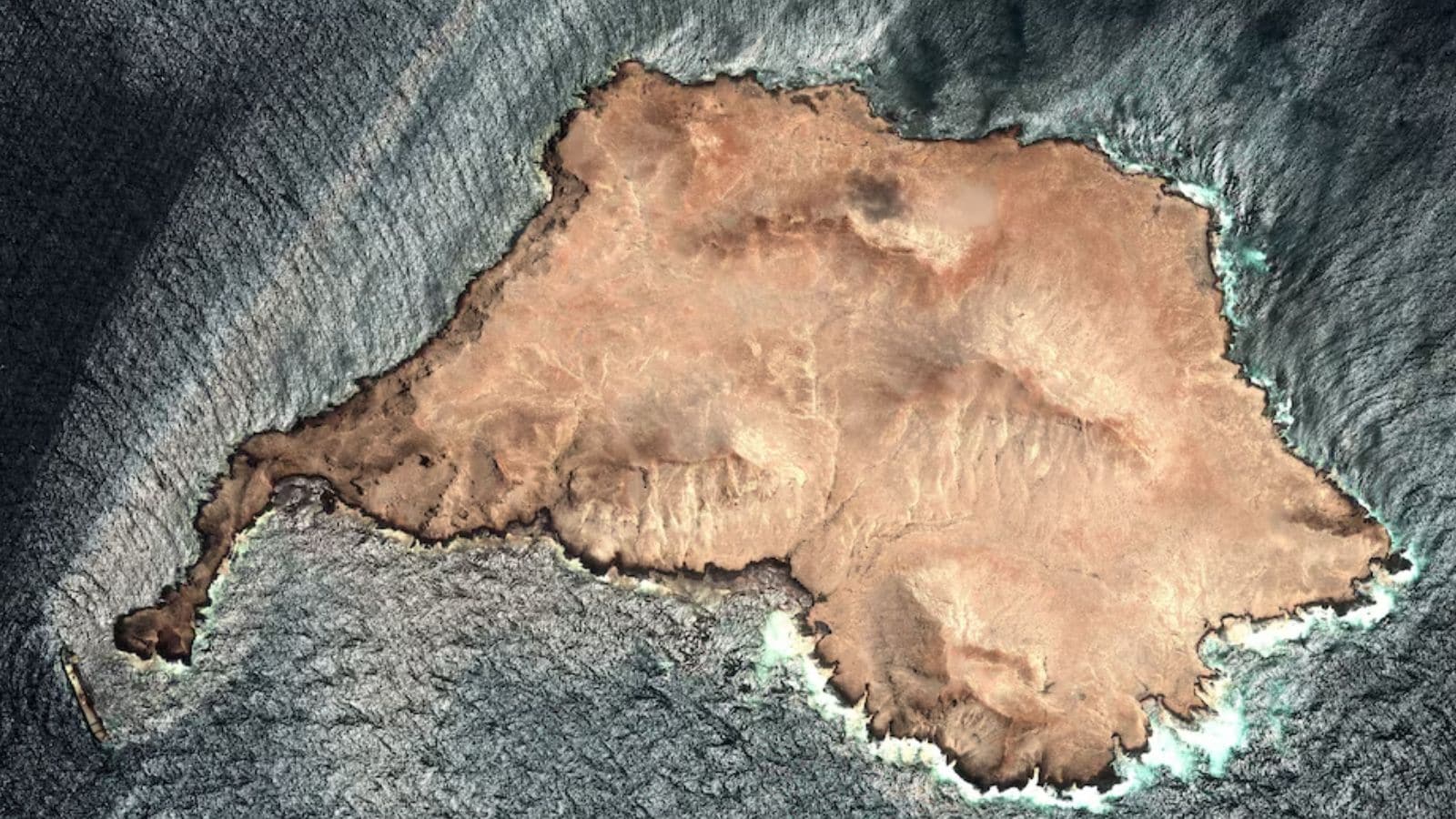
Two dark slicks are drifting. They are not grand disasters yet, not the kind that make the history books with rolling waves of black sludge swallowing entire coastlines in a single afternoon. They are thin, greasy smears on an indifferent blue. To a satellite high above, they look like careless brushstrokes. To anyone who knows the water, they are a threat written in oil.
And just beyond them, a massive spill looms like a loaded gun pointed at the shore.
We talk about oil in abstract numbers. Millions of barrels. Tons of crude. Economic impact reports printed on heavy stock paper that smell faintly of toner and indifference. But numbers do not smell. Numbers do not coat the feathers of a shearwater until it sinks like a stone beneath the waves. Numbers do not wash up on a quiet stretch of sand where a child was building a castle an hour before.
Consider what happens next.
Imagine Captain Tariq, a man who has spent thirty years reading the currents of these waters the way a scholar reads a rare manuscript. He is sitting in a wheelhouse fifty miles off the coast, a paper cup of cardamom tea growing cold between his calloused palms. He watches the radar sweep. A smudge. Then another. His radio crackles with voice traffic that sounds entirely too calm. Routine monitoring. Standard verification. They use words like containment and trajectory, smoothing out the panic with syllables designed for press releases.
Tariq knows better. The sea here is not a bathtub. It is a breathing, restless engine, whipped by seasonal winds and squeezed through one of the most vital marine choke points on Earth. Every drop of oil dropped into this basin carries a mortgage on the future of the local fishing fleets, the fragile coral ecosystems clinging to rocky shelves, and the desalination plants that turn this ancient sea into drinking water for millions of thirsty throat inland.
That is the hidden cost. It is never just about the oil. It is about the thirst.
When a spill happens in the Gulf of Oman, it does not stay in isolation. This is the liquid throat of global energy. Millions of barrels of crude pass through these narrow straits daily, tankers moving in slow, ponderous processions like iron mountains. When something goes wrong—a hull breach, a mechanical failure, a sudden storm—the margin for error vanishes in seconds.
The mechanics of disaster are mundane. They rarely look cinematic. There is no grand explosion, no Hollywood fireball lighting up the midnight sky. Just a quiet groan of stressed steel beneath the waterline. A valve fails. A seal gives way. And suddenly, thousands of tons of heavy hydrocarbons begin their slow, wicked journey toward the light.
Oil floats. That is its primary betrayal. It rises to the surface, refusing to sink, demanding to be seen while simultaneously poisoning everything it touches from the top down. It seals the skin of the ocean. It cuts off the oxygen exchange.
I remember the smell of the first major spill I worked near. It clings to your skin. You can scrub with pumice until your knuckles bleed, and the petrochemical ghost remains in your pores for days. It smells like a garage floor mixed with rotting fish. It ruins the appetite. It ruins the morning.
The Omani coastline is not a jagged cliffside of cold stone. In many places, it is a delicate dance of mangroves, tidal flats, and quiet fishing villages where life moves to the rhythm of the tide. The people who live there do not trade in futures markets. They trade in mackerel, sardine, and emperor fish. They read the sky for squalls. They do not have containment booms stashed beneath their floorboards.
When those slicks hit the shallows, the local economy does not experience a dip. It hits a wall.
Environmental scientists call this ecological vulnerability. That is a sterile term for a living catastrophe. It means that an ecosystem already pushed to its thermal limits by rising sea temperatures now has to metabolize refined poison. Coral reefs, already bleached and fragile, cannot breathe beneath a film of crude. Turtles surfacing for air find their nostrils choked with tar.
We rely on this ocean for our energy, our trade, our survival. Yet we treat it like an endless sink, capable of absorbing infinite punishment.
The two slicks currently staining the surface of the Gulf are symptoms of a deeper sickness. They tell us that our margin of safety has worn down to the threads. Every tanker navigating those narrow waters is a gamble. Every barrel pumped from offshore rigs is a roll of the dice against a sea that is losing its patience.
We look at the horizon and hope the wind will push the blackness away from the beaches. We cross our fingers that the containment crews arrive before the tide turns. We outsource our anxiety to men like Tariq, watching radar screens in the dark, waiting for the inevitable to become official.
The sun is setting now over the Gulf of Oman. The water turns the color of hammered copper, then deep purple, then ink. Out there, beneath the surface, the invisible currents are carrying the oil toward the shore, moving with the quiet, terrifying persistence of time itself.