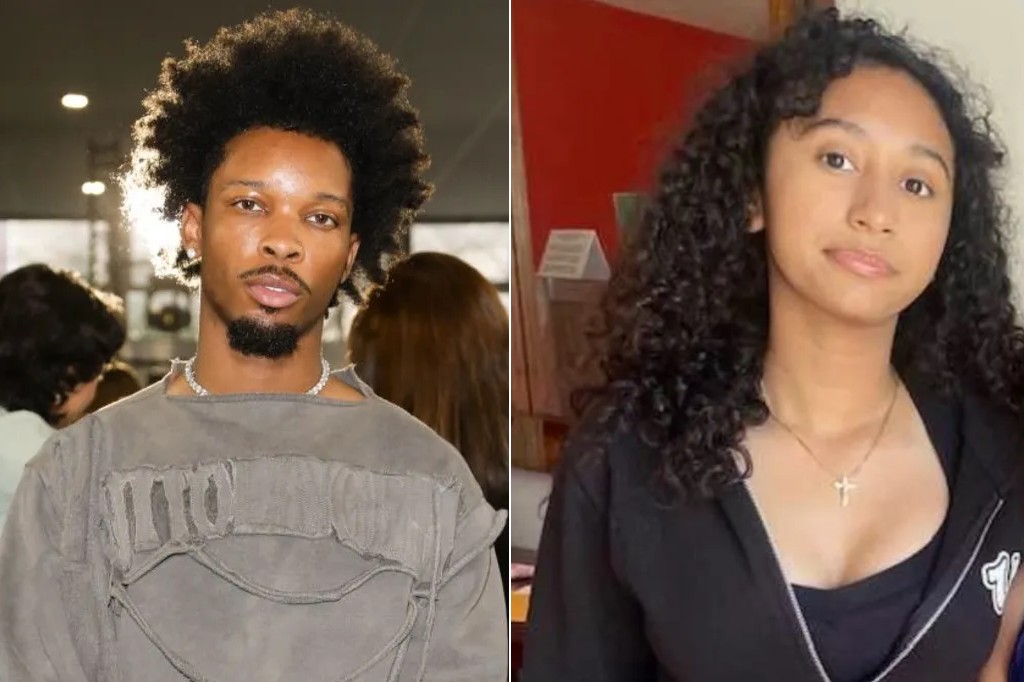
The internet is currently a breeding ground for a grotesque fabrication involving the platinum-selling artist D4vd. Over the last 48 hours, a wave of social media posts and deceptive headlines claimed that the 19-year-old singer-songwriter, born David Anthony Burke, was arrested after a teenager was found in the trunk of his vehicle. This story is entirely false. There is no record of an arrest, no police report from any major jurisdiction, and no credible news outlet has verified these claims. It is a textbook example of a modern digital hit job designed to exploit the chaotic nature of social media algorithms.
The rumor didn't emerge in a vacuum. It was engineered to shock. By linking a rising star known for melancholic, introspective indie-pop with a crime of visceral brutality, the architects of this hoax ensured it would travel fast. In the attention economy, outrage is the most valuable currency.
Anatomy of a Digital Assassination
Hoaxes like the one targeting D4vd follow a specific, cynical blueprint. They usually begin on platforms where verification is secondary to speed. A single account posts a low-resolution image—often a doctored news chyron or a generic photo of a police scene—with a caption that states a "fact" with absolute certainty. Before the artist’s team can even draft a statement, the post has been shared thousands of times.
This isn't just about "fake news" in a general sense. It is a targeted strike on an artist's brand. D4vd has built a massive following through hits like "Romantic Homicide" and "Here with Me," cultivating an image that is sensitive and relatable. By accusing him of a heinous crime, the hoax attempts to create a cognitive dissonance that forces fans to click, comment, and engage, further boosting the reach of the lie.
The mechanics of the "arrest" story often rely on the lack of immediate consequences for the posters. By the time a platform removes the content, the damage is done. The search results for the artist are poisoned, and a permanent association—however false—is etched into the digital record.
Why the Trunk Hoax Keeps Resurfacing
The specific narrative of a body in a trunk is a recurring trope in celebrity death hoaxes and arrest fabrications. It is a "shiver story," designed to provoke an immediate physical reaction of horror. We have seen similar tactics used against other young artists who experience rapid surges in popularity.
The strategy serves two purposes. First, it generates massive traffic for "scraper" websites—shoddy operations that exist solely to harvest ad revenue from trending search terms. Second, it tests the limits of digital literacy. Many users see a professional-looking headline and assume there must be a grain of truth to it. They don't check for a primary source. They don't look for a statement from a local sheriff’s department. They simply react.
For an analyst watching this play out, the speed at which the D4vd rumor moved suggests a coordinated effort. This wasn't just a handful of trolls; it was a swarm.
The High Cost of the Viral Lie
For an artist at D4vd's level, these rumors are more than a nuisance. They are a liability. When a major brand or a festival organizer sees "arrested" trending next to an artist’s name, their first instinct is often to distance themselves until the dust settles. This is the "guilty until proven innocent" reality of the modern entertainment industry.
Even after the story is debunked, the "ghost" of the accusation remains. A segment of the public will only remember the headline, not the retraction. This creates a situation where an innocent individual must spend significant resources—both financial and emotional—to scrub a lie from their professional identity.
The industry is currently ill-equipped to handle this. Public relations teams are playing a perpetual game of whack-a-mole with anonymous accounts. Legal recourse is difficult because the originators of these hoaxes often hide behind VPNs and burner accounts.
Verification as the Only Defense
The burden of truth has shifted. It no longer rests solely with the publisher; it rests with the consumer. To verify a story like the D4vd arrest, one must look for the "official" trail.
- Primary Sources: Look for statements from verified law enforcement agencies. If the LAPD or the NYPD hasn't mentioned it, it likely didn't happen.
- Legacy Media: While often criticized, major news organizations have legal departments and vetting processes. If a story this massive is only appearing on TikTok or a site you’ve never heard of, it’s a red flag.
- Artist Channels: Management and labels will address legitimate legal issues quickly to manage the narrative. Silence followed by normal posting usually indicates the "news" is a fabrication.
The reality of the D4vd situation is mundane compared to the fiction. He is a young man making music and navigating a career that has moved at light speed. The "trunk" story is nothing more than a digital ghost story, a cruel fiction crafted by those who see a person’s reputation as a playground for engagement.
The most effective way to kill a hoax is to starve it of the one thing it needs to survive: your attention. Every click on a fake headline is a vote for a more dishonest internet. The next time a shocking headline about a public figure appears, wait for the second source. Check the data. Demand proof before you provide the signal.