If you think the toxic drug crisis in Canada is just about fentanyl, you're missing a terrifying part of the picture. Street drugs are changing. They're becoming more complex, more unpredictable, and significantly more lethal because of a veterinary sedative called xylazine. This isn't a "new" problem that just popped up yesterday, but it's hitting a breaking point across provinces like Ontario, British Columbia, and Alberta. Dealers are cutting fentanyl with animal tranquilizers to stretch their supply and mimic a longer-lasting high. The result? A public health nightmare that doesn't respond to the one tool we've relied on for years to save lives.
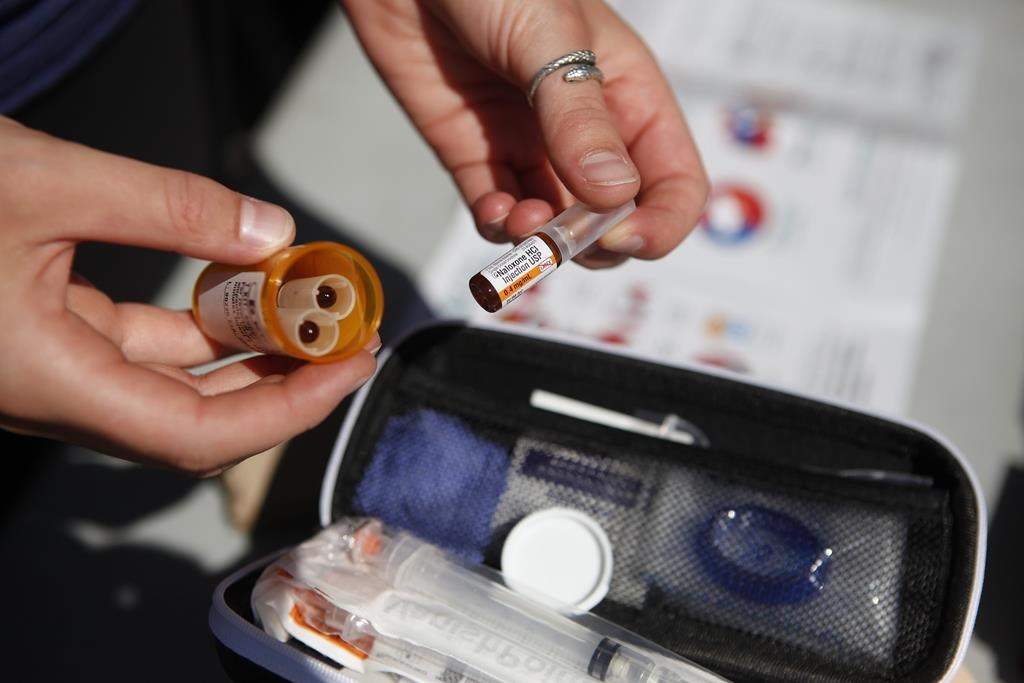
Xylazine is often called "tranq" or "zombie drug" in headlines. I hate those terms because they strip away the humanity of the people struggling with addiction, but they do point to a grim reality. When this stuff enters the human bloodstream, it does things it was never meant to do. It’s meant for horses and cattle. It’s not an opioid, which means the "miracle drug" naloxone can't reverse its effects. You can pump someone full of Narcan, but if they've taken a heavy dose of xylazine, they won't wake up. They might start breathing again because of the naloxone hitting the fentanyl, but the sedation remains. It’s a terrifying stalemate for first responders.
Why Dealers Are Adding Veterinary Sedatives to Fentanyl
You might wonder why anyone would put a cow tranquilizer into a product meant for humans. It’s about the "legs" of the high. Fentanyl is incredibly potent but it wears off fast. Users find themselves needing another hit quickly to avoid withdrawal. Xylazine extends the duration of that sedative effect. It bridges the gap. From a dealer’s perspective, it’s a cheap way to make their product seem stronger and keep customers coming back.
But there's no quality control in a basement lab. The ratios are everywhere. One batch might have a dusting of it, while the next is loaded. According to data from Health Canada’s Drug Analysis Service, the prevalence of xylazine in seized samples has skyrocketed over the last few years. In 2018, it was a rarity. Now, it’s a staple of the illicit market in major urban centers. We aren't just seeing it in fentanyl either. It's showing up in benzodiazepines and even stimulants.
The Rotting Skin Crisis No One Mentions Enough
We need to talk about the wounds. This is perhaps the most visceral and horrifying aspect of the animal tranquilizer influx. Xylazine causes severe skin ulcerations. These aren't your typical injection site infections. These are necrotic, rotting sores that can appear anywhere on the body, not just where the person injected.
I’ve heard stories from frontline workers in Vancouver’s Downtown Eastside about people losing limbs to these infections. The drug causes intense vasoconstriction—it narrows the blood vessels. When your skin doesn't get enough blood, the tissue starts to die. It literally rots from the inside out. Because the drug is a sedative, users often remain in one position for hours, unaware that their circulation is cut off or that a small scratch is turning into a gaping, foul-smelling hole. It’s a level of physical devastation that the Canadian healthcare system is currently ill-equipped to handle.
Why Naloxone Isn't Enough Anymore
For a decade, the message has been simple: carry naloxone, save a life. That message is still vital, but it’s no longer the complete solution. Xylazine is a non-opioid sedative, specifically an alpha-2 adrenergic agonist.
- Naloxone works on opioid receptors. It knocks the fentanyl off the brain's receptors.
- Xylazine ignores those receptors. It targets a different part of the nervous system.
- The "Heavy Nod." Someone on a fentanyl-xylazine mix will be incredibly difficult to rouse.
If you find someone overdosing, you still give naloxone. You have to. You need to clear the fentanyl out so they can breathe. But if they don't wake up after two or three doses, don't keep dumping naloxone into them. It won't touch the xylazine. At that point, the priority shifts to rescue breathing and oxygenation. We're moving back to the basics of emergency medicine because the chemistry of the street has outpaced our primary antidote.
The Failure of Current Testing and Policy
Canada’s response has been sluggish. While some supervised consumption sites have started using mass spectrometry to check drugs, most people are still using "test strips." Here’s the catch: standard fentanyl test strips don't see xylazine. There are xylazine-specific test strips now, but they aren't nearly as widely distributed.
It’s a massive gap in harm reduction. If you don't know what's in your bag, you can't make an informed choice. Even the "safe supply" programs—which provide pharmaceutical-grade alternatives to street drugs—are under fire politically. But when you look at the alternative—a street supply contaminated with necrotic animal sedatives—the argument for regulated alternatives becomes a lot harder to dismiss.
The stigma is killing people too. People use alone because they’re ashamed or afraid of police. When you use a xylazine-laced product alone, you’re basically signing a death warrant. You’ll fall into a deep, coma-like sleep, your breathing will slow, and there will be nobody there to provide the oxygen your brain needs to survive.
What You Can Actually Do
This isn't just a "drug user problem." It's a community health crisis that affects the safety of our streets and the burden on our hospitals. If you or someone you know uses substances, the rules of engagement have changed completely.
- Get Xylazine-Specific Test Strips. Don't rely on fentanyl strips alone. Organizations like GetYourDrugsTested.com or local harm reduction hubs are starting to stock these. Use them every single time.
- Oxygen is King. If you're responding to an overdose and the person isn't waking up after naloxone, focus on rescue breathing. If you have a bag-valve mask, use it. The brain can only go a few minutes without oxygen before permanent damage sets in.
- Wound Care is Urgent. If you see a skin lesion that looks even slightly unusual, get to a clinic. These aren't "wait and see" injuries. They require specialized dressings and often antibiotics. Left alone, they lead to amputation.
- Never Use Alone. This is the golden rule, but it’s more important now than ever. Use the Brave app or the National Overdose Response Service (NORS) at 1-888-688-NORS (6677) if you don't have someone to sit with you. They will stay on the phone and call help if you stop responding.
Demand better from your local representatives. Ask why your province isn't funding advanced drug checking in every major city. Ask why wound care clinics aren't being integrated into every shelter. The drug supply in Canada is a toxic soup, and we're currently trying to clean it up with a spoon. It's time to get serious about what's actually in these drugs before the "zombie" headlines become the only story we have left to tell.