The headlines are predictable. They read like a repetitive script from a 1990s action movie. "High-ranking official neutralized." "Command structure dismantled." "Terror group in disarray."
Following the strike on Ahmed Balout in Beirut, the consensus among security "experts" is that Hezbollah is reeling. They want you to believe that removing a specific set of coordinates on a human map creates a vacuum that cannot be filled. They are wrong. In reality, the surgical strike is a blunt instrument that often sharpens the very blade it tries to break.
The Western obsession with "decapitation strikes" is a relic of industrial-era warfare. We treat insurgent movements like Fortune 500 companies, assuming that if you take out the CEO, the stock price plummets and the board of directors collapses into infighting. Hezbollah is not a corporation. It is a hydra with a deep bench, and every time a head is removed, the body learns how to grow a more resilient one.
The Myth of the Indispensable Man
The tactical success of the Beirut strike is undeniable. Intelligence was gathered, a window of opportunity was seized, and a high-value target was eliminated. But confusing tactical proficiency with strategic victory is the most common mistake in modern conflict.
History is a graveyard of "uniquely dangerous" leaders whose deaths changed nothing.
- In 1992, Israel killed Abbas al-Musawi, then the Secretary-General of Hezbollah. The goal was to cripple the organization.
- The result? He was replaced by Hassan Nasrallah, a man who turned the group from a ragtag militia into the most powerful non-state military actor on the planet.
- In 2008, Imad Mughniyeh was assassinated in Damascus. The "architect of terror" was gone.
- The result? Hezbollah’s technical capabilities and rocket inventory grew exponentially over the following decade.
When you kill a man like Ahmed Balout, you aren't deleting a hard drive. You are simply creating a promotion cycle. The "next man up" is usually younger, more radicalized by the death of his predecessor, and has spent years watching the mistakes the previous commander made. You aren't destroying the command structure; you are forced-evolving it.
The Institutionalization of Martyrdom
We keep asking: "How will they replace him?"
The better question is: "How did they prepare for his death?"
Hezbollah’s organizational DNA is built on the expectation of attrition. Unlike a Western military, where the loss of a general might cause a bureaucratic crisis, Hezbollah’s clerical and military wings view the death of a leader as a prerequisite for institutional growth.
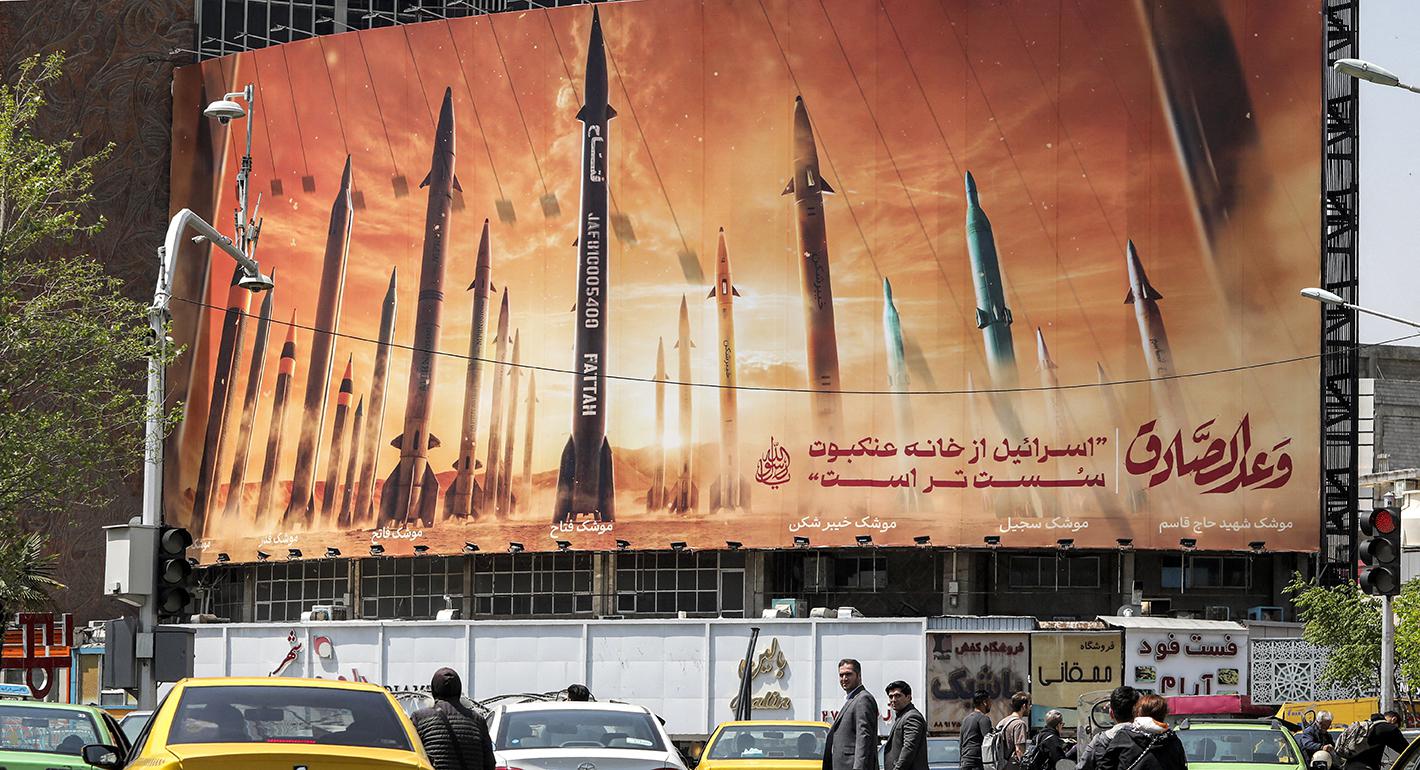
When a commander dies, he stops being a fallible human being who makes logistical errors. He becomes an icon. This is the Martyrdom Multiplier. His image goes on billboards from Dahieh to the Bekaa Valley. He becomes a recruitment tool more effective than any propaganda video. The strike that killed Balout didn't just remove a tactician; it provided Hezbollah with a fresh narrative of resistance that will fuel their base for another generation.
If you think a group that has survived forty years of constant conflict hasn't figured out how to delegate authority, you aren't paying attention. They operate on a decentralized, cell-based logic. The "Operations Chief" is a title, but the operational knowledge is distributed.
Intelligence is a Perishable Asset
There is a dark irony in these strikes that the media rarely discusses. To kill a high-ranking official, you have to find them. Finding them requires a massive investment in signals intelligence (SIGINT) and human intelligence (HUMINT). You have to burn assets, expose your methods, and reveal exactly how much you know about their internal movements.
The moment the missile hits, your intelligence becomes obsolete.
The organization immediately goes into a defensive crouch. They change their communication protocols. They purge suspected informants. They move to "darker" methods of coordination. By killing Balout, the IDF has effectively reset the board. They traded a deep, years-long understanding of one man’s habits and networks for a momentary explosion. Now, they have to start from zero with his successor, who is currently watching his predecessor’s mistakes and making sure he doesn't repeat them.
The Logic of the Bench
Imagine a scenario where a professional sports team loses its star quarterback. In the short term, the offense stutters. In the long term, the backup—who has been studying the playbook and watching from the sidelines—takes over with a point to prove.
In the world of asymmetric warfare, the "backup" has been groomed for this moment since he was a teenager. Hezbollah’s education and youth programs (like the Imam al-Mahdi Scouts) ensure that the pipeline of talent is never empty. They are not scrambling for replacements; they are simply activating the next layer of the hierarchy.
We are witnessing the Professionalization of the Proxy. These aren't guys in sandals with AK-47s anymore. They are middle-managers with degrees in engineering and logistics. They understand that their survival is contingent on their anonymity and their redundancy.
Stop Measuring Success by Body Counts
If the goal of these strikes is to stop the rockets, they have failed. If the goal is to deter future operations, they have failed. If the goal is to bring Hezbollah to the negotiating table in a weakened state, history suggests the opposite happens: they dig in.
We love these stories because they are easy to digest. They provide a clear beginning, middle, and end. But they provide a false sense of security.
True disruption of an organization like Hezbollah doesn't come from Hellfire missiles. It comes from eroding their social base, disrupting their financial lifelines, and offering a political alternative that doesn't involve perpetual war. But that’s hard. It’s boring. It doesn't look good on a 24-hour news cycle.
Killing Ahmed Balout was a tactical masterclass and a strategic shrug. It changed the names on the organizational chart, but it didn't change the trajectory of the conflict. In fact, by proving that no one is safe, you have ensured that the next generation of commanders will be even more paranoid, even more subterranean, and even more committed to the long game.
The strike didn't end a chapter. It just started a more dangerous one.
Stop celebrating the "neutralization" of individuals and start looking at the resilience of the system. Until the underlying drivers of the conflict are addressed, you are just cutting grass in a thunderstorm. It’s going to grow back faster than you can sharpen the mower.
The machine is still running. The only thing that changed is who is pulling the lever.