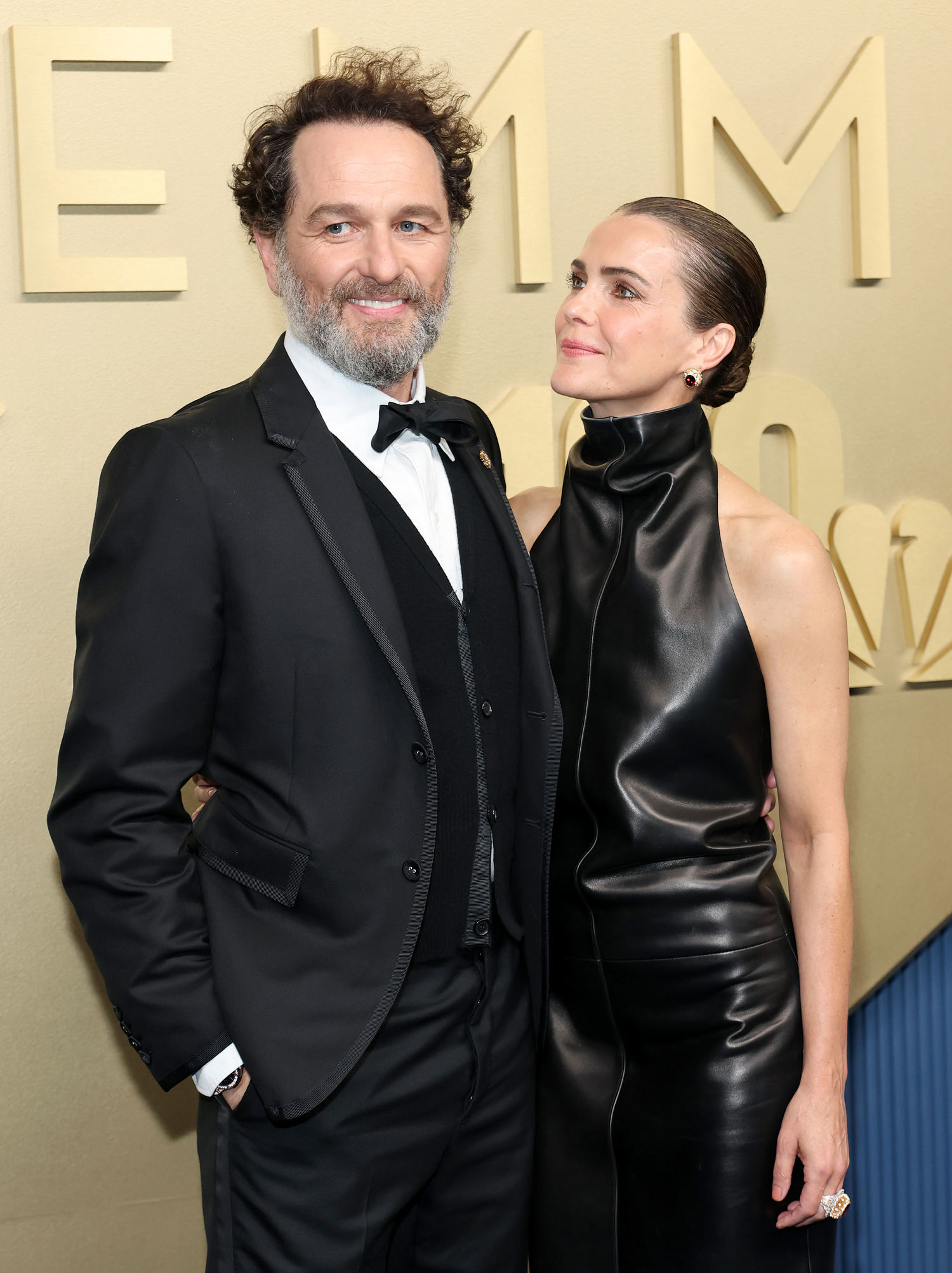
Red carpet coverage during high-profile events such as the Primetime Emmy Awards operates as a sophisticated attention-capture mechanism within the broader entertainment industry. While standard media outlets frame these gatherings through the lens of aesthetic appreciation, a rigorous structural analysis reveals an economic engine governed by visibility optimization, stakeholder signaling, and portfolio risk management. The visual output of a celebrity stepping onto a broadcast step-and-repeat banner is not merely an artistic expression; it is a calculated capital allocation designed to maximize marginal returns in public relations equity.
To understand why certain styling choices dominate media cycles while others experience rapid depreciation in value, we must break down the operational mechanics that govern the ecosystem. The system relies on three core variables: distribution velocity, semiotic differentiation, and sponsor alignment. When these variables interact efficiently, the resulting public footprint translates directly into measurable downstream value for networks, production houses, and individual talent brands.
The Attention Supply Chain and Visibility Economics
The fundamental constraint of any award show red carpet is time and bandwidth. Hundreds of attendees compete for a finite window of electronic shutter clicks, broadcast interviews, and algorithmic impressions across social media platforms. This creates a hyper-competitive attention market where baseline competence—wearing a well-tailored black tuxedo or a standard evening gown—yields diminishing marginal returns.
In economic terms, standard attire functions as a commodity. It clears the baseline requirement for participation but fails to generate pricing power in the attention economy. To capture disproportionate share of voice, stylists and publicists must introduce systemic differentiation. This differentiation typically manifests in one of three structural forms.
First, historical referencing utilizes nostalgia as a shortcut for cognitive engagement. By wearing archival pieces from defunct or legendary fashion houses, an actor imports decades of established brand equity into their personal presentation. The audience is not just evaluating the fabric; they are decoding a historical citation.
Second, material innovation subverts expectations through tactile or optical surprise. Utilizing newly developed textiles, unconventional structural engineering within garments, or kinetic elements that alter appearance under varying camera angles forces a pause in the viewer's consumption pattern. This friction breaks through the automated scrolling behavior characteristic of modern digital media consumption.
Third, ideological signaling transforms the garment into a semiotic billboard. Whether through deliberate omission of luxury brands in favor of sustainable, circular-economy materials or through direct political messaging embedded in embroidery, this approach trades pure aesthetic conformity for ideological alignment with specific demographic segments.
The Risk Portfolio of Stylistic Variance
Attempting to capture attention through extreme differentiation introduces volatility. Just as financial portfolios balance high-yield equities with stable bonds, public relations strategies must manage the risk of stylistic failure.
When a look deviates too far from established cultural norms without sufficient grounding in artistic context, it risks crossing the threshold from avant-garde to incoherent. The cost of this failure is immediate algorithmic penalization and negative sentiment clustering across digital channels. Conversely, playing it entirely safe guarantees invisibility. The optimal frontier lies in calculated divergence—pushing the boundaries of silhouette or color palette just far enough to trigger widespread commentary while remaining legible within contemporary aesthetic frameworks.
Stylists operate as risk managers. They evaluate the career trajectory of the talent before deploying high-variance looks. An actor transitioning from a niche streaming series to a mainstream cinematic franchise requires a different visual risk profile than an established industry veteran whose brand equity is already cemented. The former requires high-beta visibility to accelerate market penetration; the latter can afford low-beta stability to reinforce brand continuity.
Downstream Monetization and Asset Depreciation
The half-life of a red carpet image is remarkably short, typically peaking within a forty-eight-hour window following the event. During this period, the velocity of engagement determines the downstream economic yield.
The primary beneficiaries of this attention cycle are luxury fashion houses. When a major television star wears a custom design on a global broadcast stage, the brand receives a quantified burst of earned media value. This metric attempts to calculate what the equivalent exposure would cost if purchased through traditional advertising channels. However, earned media value frequently overstates true economic impact because it assumes passive viewership translates into active purchase intent.
A more accurate measure of success is conversion velocity within secondary markets—specifically, the immediate search volume for related accessories, beauty products, and secondary diffusion lines associated with the primary luxury house. The red carpet serves as the top of a long conversion funnel designed to drive volume in lower-priced accessories and cosmetics where the actual profit margins reside.
Strategic Allocation of Visual Assets
Navigating the modern entertainment landscape requires recognizing that visual presentation is an infrastructural component of brand management rather than an afterthought. Stakeholders who treat award show appearances as isolated social events consistently underperform those who treat them as timed product launches.
Future optimization in this space will rely on deeper integration between real-time data analytics and wardrobe selection. By mapping historical audience engagement metrics across specific color theories, architectural silhouettes, and designer pairings, publicists can reduce the variance of red carpet outcomes. The objective remains invariant: transforming transient cultural moments into durable, compounding value within the global attention market.