Most people assume we have mapped our own planet. We haven't. Beneath miles of freezing water, pitch-black darkness, and crushing pressure lies a massive ecosystem we barely understand. Recent marine expeditions scouring the Pacific Ocean floor just pulled up dozens of entirely new species.
It sounds like science fiction. It is happening right now.
If you think the deep ocean is just a barren desert of mud, you are dead wrong. It is bursting with bizarre life forms that defy our standard biological textbooks. These discoveries prove that we are still complete novices when it comes to understanding marine biodiversity.
The Reality of Deep Sea Exploration
Let us get one thing straight. Exploring the deep Pacific is brutally difficult. You cannot just slap on a scuba tank and swim down three miles. You need specialized robotic submersibles, millions of dollars in funding, and nerves of steel.
Researchers working with organizations like the Schmidt Ocean Institute routinely deploy advanced remotely operated vehicles to probe abyssal plains, seamounts, and hydrothermal vents. On recent dives across areas like the Salas y Gómez and Nazca ridges off the coast of South America, scientists documented over a hundred suspected new species in a single expedition.
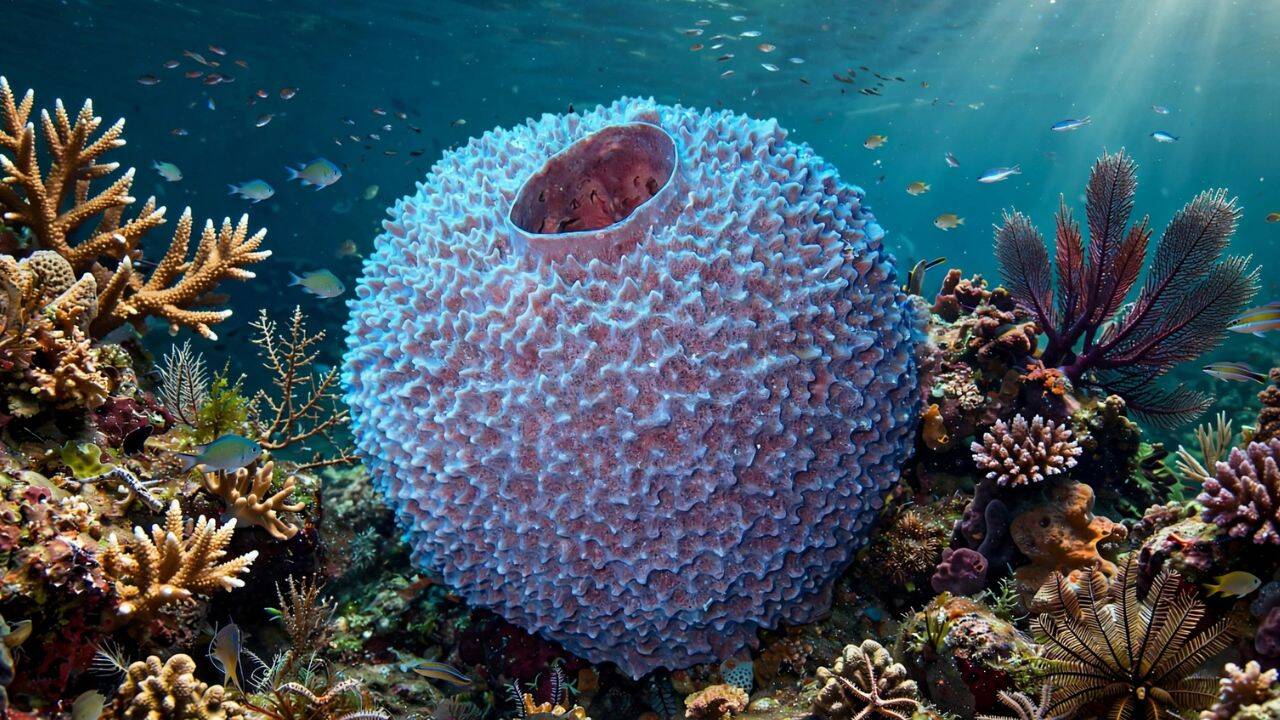
Think about that scale. We are not finding one or two lonely crabs. We are finding entire communities of corals, squids, sponges, and barnacles that science has never laid eyes on before.
- Corals thriving miles below the photic zone.
- Ghostly octopuses brooding eggs in warm volcanic crevices.
- Predatory sea worms equipped with biological illumination.
Every time we drop a camera into the abyss, the tree of life grows branches we never anticipated.
How Deep Sea Creatures Survive the Impossible
It is freezing down there. The water pressure is high enough to crush a submarine like a tin can. Sunlight is completely absent. Yet, life finds a way.
How do these animals pull it off? They cheat biology.
Instead of relying on the sun for energy, many deep sea ecosystems run on chemosynthesis. Hydrothermal vents spew out toxic chemicals like hydrogen sulfide. Specialized bacteria eat those chemicals and convert them into energy. From there, a whole food chain forms. Crabs, shrimp, and tube worms eat the bacteria. Larger predators eat the crabs.
It is a completely alien system running right here on Earth.
When you study these organisms, you realize how rigid our terrestrial definitions of life really are. These creatures do not need photosynthesis. They do not care about seasons. They live in a permanent, high-pressure pressure cooker and thrive.
Why This Discovery Matters Right Now
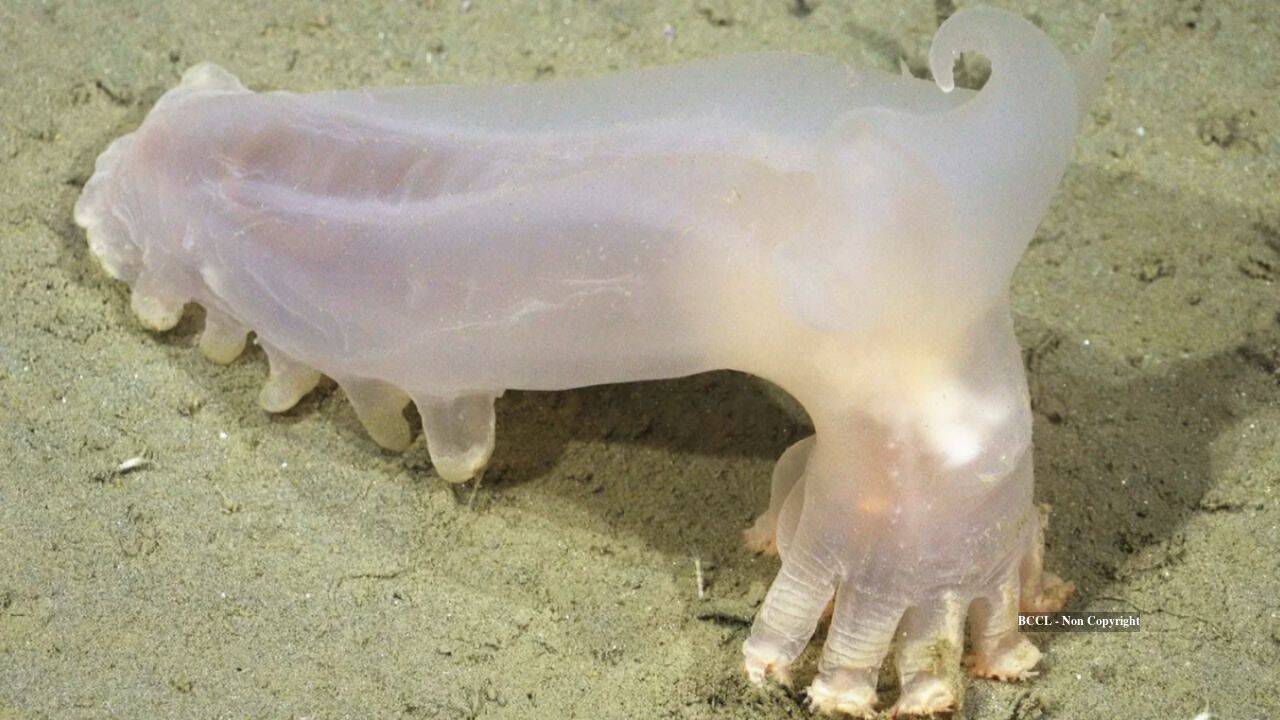
You might ask why a bunch of weird sea slugs and corals in the middle of the Pacific should matter to you. Fair question.
First, the deep ocean plays a massive role in regulating global climate. It absorbs vast amounts of heat and carbon dioxide. Destroying these pristine environments before we even understand them is an ecological catastrophe waiting to happen.
Second, deep-sea mining corporations are eyeing these exact regions for rare earth metals. Companies want to dredge up manganese nodules from the abyssal floor to fuel electric vehicle batteries.
Let that sink in. We are preparing to bulldoze fragile, unexplored ecosystems for gadgets while we are still discovering the species living there.
Marine biologists and conservationists are fighting tooth and nail to establish protected areas. They want moratoriums on deep-sea mining until we can actually assess what is at stake. They are racing against time. Every time an expedition goes out, they find new species. Every time a dredge goes down, those same species risk extinction before they even get a scientific name.
What Happens When We Look Closer
The truth is humbling. We know more about the surface of the Moon than we do about the bottom of the Pacific Ocean.
Every new expedition strips away another layer of our collective ignorance. We find glass sponges that build natural fiber-optic skeletons. We find fish with transparent heads. These are not movie monsters. They are our neighbors on this planet.
If you want to stay informed about marine conservation, stop looking at surface-level headlines. Pay attention to deep-sea research. Support organizations that fund ocean exploration. Read the field reports from marine institutes.
The ocean floor holds the keys to understanding the origins of life and the future of our biosphere. We cannot afford to wreck it out of sheer laziness or greed. Protect the deep ocean before we wipe out species we haven't even had the chance to name.