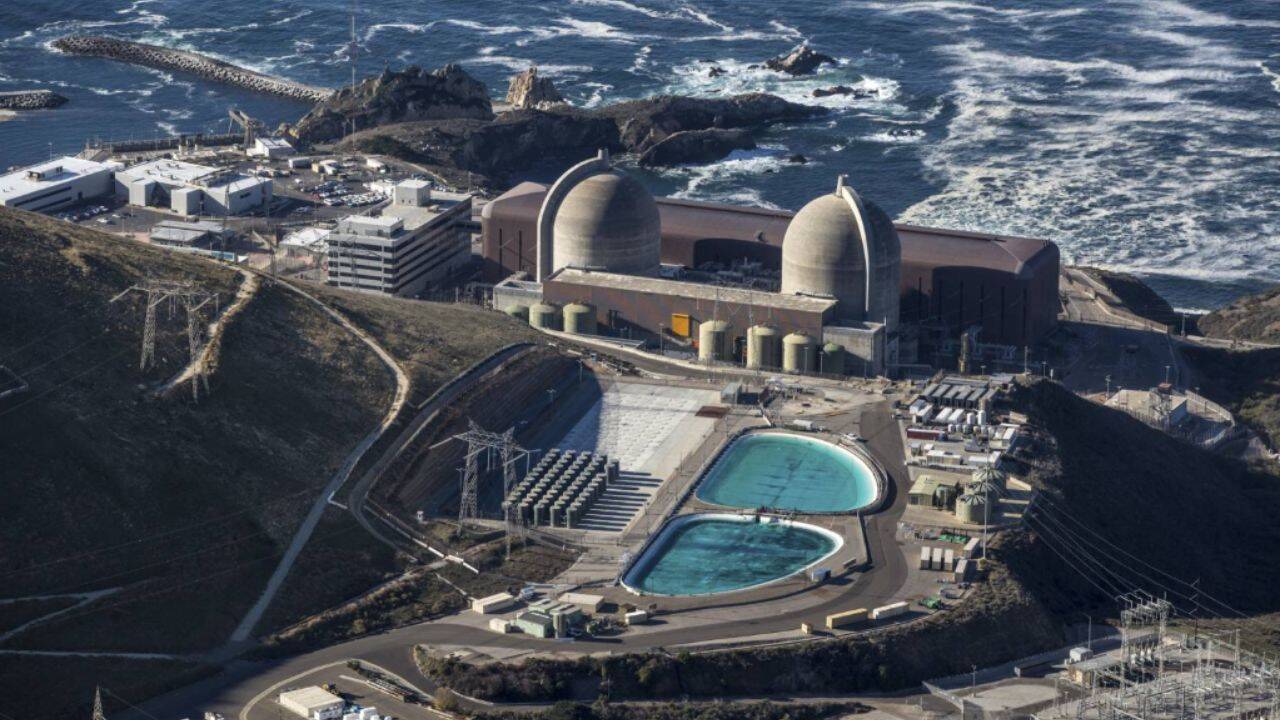
Everyone is popping champagne over the newly minted forty-two million dollar deal opening over two thousand coastal acres near Diablo Canyon to hikers and campers. The lazy consensus across the media landscape paints this as a major environmental victory. State officials, naive conservationists, and coastal elites are acting like trading a nuclear asset perimeter for public campsites is some grand ecological triumph.
It is not. It is a masterclass in bureaucratic sleight of hand.
I have spent years watching public-private land swaps and regulatory theater unfold across the Pacific Rim, and I can tell you right now that this agreement solves nothing while creating a logistical nightmare. While everyone is busy applauding the creation of new trails, they are completely ignoring the toxic liabilities, infrastructure bottlenecks, and financial sinkholes that come packaged with these pristine bluffs.
Let us break down why this celebrated victory is actually a liability disguised as a recreational playground.
The Infrastructure Mirage
You cannot drop thousands of weekend warriors onto rugged coastal terrain without roads, water, waste management, and emergency egress. The area surrounding Diablo Canyon is notoriously isolated. Anyone who has driven down that stretch of the Central Coast knows that the infrastructure is hanging on by a thread.
When the state signs off on a forty-two million dollar acquisition, the public assumes that money covers everything. It does not. That figure merely secures the acreage. It completely ignores the tens of millions required to build parking lots, install vault toilets, pave fire roads, and maintain trails battered by fierce Pacific gales and relentless erosion.
Imagine a scenario where thousands of eager campers descend on these newly opened coastal bluffs during a dry summer weekend. A single stray cigarette or rogue camp stove sparks a wildfire in terrain where firefighting equipment is hours away. The county roads cannot handle a mass evacuation. Yet, the celebratory press releases conveniently omit evacuation plans because, frankly, there are none worth trusting.
The Nuclear Proximity Paradox
Let us address the elephant in the room that the mainstream press tiptoes around. This land sits right next to an active, massive nuclear power facility that is currently winding down operations, yet remaining a multi-decadal storage site for spent nuclear fuel.
For decades, this perimeter acted as an unintended, highly effective nature preserve. The strict security buffer around Diablo Canyon kept human foot traffic at zero. That isolation allowed rare flora and fauna to thrive undisturbed by selfie-stick-wielding tourists.
Now, we are trading that pristine, undisturbed buffer zone for public access. Environmentalists spent decades fighting to protect these ecosystems from human impact, only to turn around and cheer when the state throws open the gates for tents and hiking boots. It is peak cognitive dissonance. You cannot claim to protect a delicate coastal habitat while simultaneously inviting weekend campers to trample it under the guise of public stewardship.
The Maintenance Backlog Illusion
California state parks are already drowning in a staggering maintenance backlog. Parks across the state are operating with broken plumbing, understaffed ranger stations, and crumbling facilities. Adding two thousand more acres of raw, highly volatile coastal land to an already bankrupt system is financial malpractice.
When a state agency acquires new land without a fully funded, thirty-year endowment for maintenance, they are simply passing the buck to future taxpayers. The trails will degrade within three seasons. The campsites will become overrun with illegal dumping and human waste because the budget will not stretch to cover daily operations.
I have seen state agencies inherit properties like this before, only to lock the gates five years later due to lack of funds, blaming budget cuts after the initial PR cycle has already faded from memory.
What True Conservation Looks Like
If the state actually cared about the environment instead of chasing headlines, that forty-two million dollars would have been funneled directly into reinforcing existing state parks that are literally falling into the ocean. We do not need more acreage; we need better stewardship of what we already own.
True conservation requires brutal prioritization. It means admitting that some lands are better left alone, buffered by strict quiet zones, rather than monetized and marketed as recreational destinations for urban tourists looking for a weekend escape.
Stop buying the narrative that every square foot of open land needs a tent pad and a parking meter. Sometimes, the best thing the government can do for nature is to leave it completely alone.