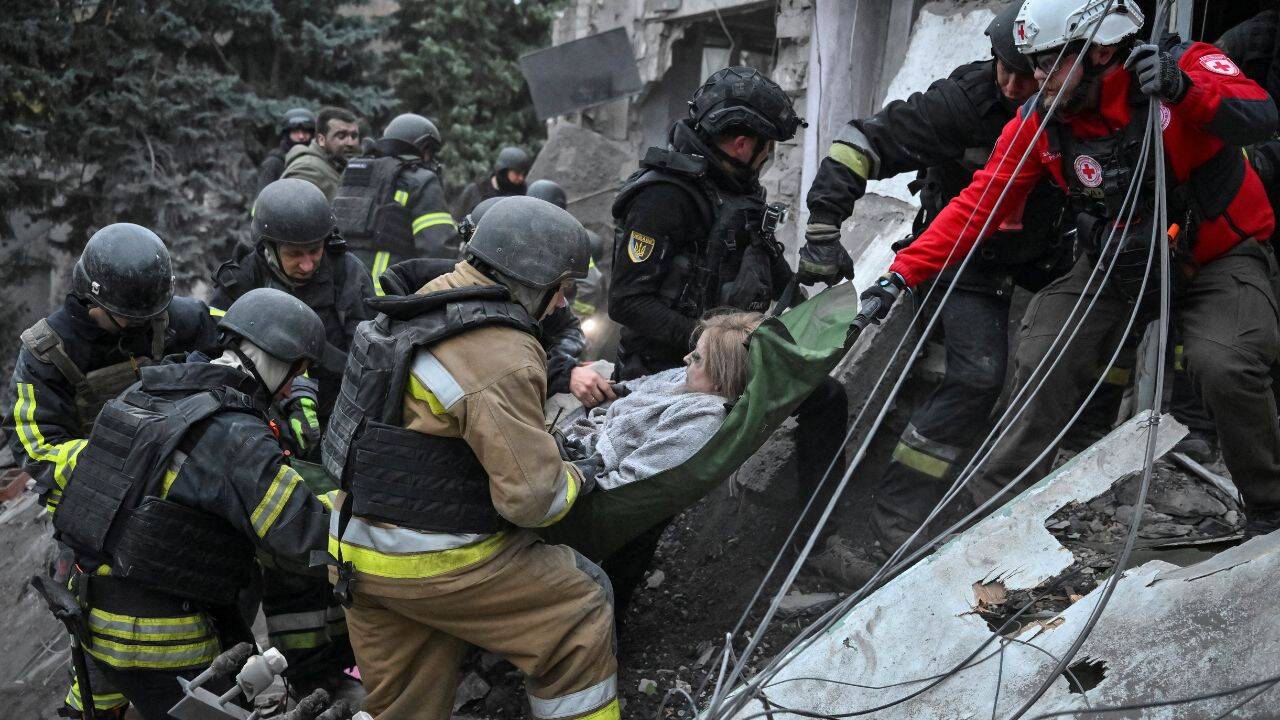
Every major newsroom is screaming about a supposed diesel deal between Donald Trump and Vladimir Putin, linking it instantly to a dozen deaths in Ukraine. The narrative writes itself because it relies on pure laziness: connect a transaction, point to a crater, and blame the handshake. It is neat, it is emotional, and it is entirely disconnected from how energy markets and military logistics actually operate.
The lazy consensus claims that energy flows are simple toggle switches. Turn them on, fuel the tanks, launch the missiles. Shut them off, stop the war.
Anyone who has spent a week tracking refined product logistics knows that physical molecules do not care about geopolitical press conferences. Diesel is not a proprietary political currency flowing directly from a Kremlin spreadsheet into an artillery battery. It is a globally traded, highly fungible commodity processed through multi-layered intermediary networks, shadow fleets, and offshore blending operations. If you think a bilateral phone call dictates retail fuel availability on the front lines of eastern Ukraine, you are confusing cable news theater with macroeconomic reality.
Let us look at the structural mechanics that the headlines completely ignore.
Military supply chains do not rely on opportunistic spot-market trades negotiated by former or future presidents. Armies of this scale operate on strategic reserves, nationalized refinery quotas, and domestic pipelines hardened against external shocks. Russia is a net exporter of refined products with massive domestic cracking capacity. Ukraine is sustained by an intricate, multi-national fuel supply pipeline running out of Central European refineries processing non-Russian crude. The idea that a sudden diplomatic arrangement over diesel suddenly shifts battlefield kinetics overnight ignores the weeks of transit, storage, and distribution required to move a single kiloliter of fuel.
More importantly, this reductionist framing infantilizes both sides of the conflict. It treats sovereign states and military command structures as reactive pawns waiting for external commercial signals, rather than hardened organizations executing long-term attrition strategies. The strikes that killed twelve people in Ukraine were not a tactical byproduct of a commodity transaction. They were part of a continuous, grinding campaign of infrastructure degradation designed to break civilian morale and stress regional power grids. Blaming a fuel headline for a missile strike is lazy shorthand for people who cannot be bothered to understand targeting doctrine, air defense saturation limits, or drone-launch cadences.
The truth is far more uncomfortable than the media wants to admit. Energy sanctions are porous by design because the global economy depends on Russian hydrocarbons staying in circulation to prevent catastrophic price spikes in Western markets. Washington and Brussels know this. They built the leaks into the architecture. Pretending that a sudden trade arrangement is an unprecedented betrayal rather than the continuation of a messy, compromised status quo is dishonest.
When you strip away the moralizing rhetoric, what remains is an ongoing war of attrition where logistics dictate survival, not political handshakes. The commentators crying foul over these deals are the same ones who thought SWIFT bans would collapse the ruble in a week. They do not understand supply chains. They do not understand military engineering. They understand clicks.
Stop treating every rumor of commerce as a direct tactical order. Look at the balance sheets, look at the refinery runs, look at the actual pipeline flows. The real war is fought in the boring details of logistics and endurance, far away from the television studios manufacturing outrage for tomorrow morning's cycle.


