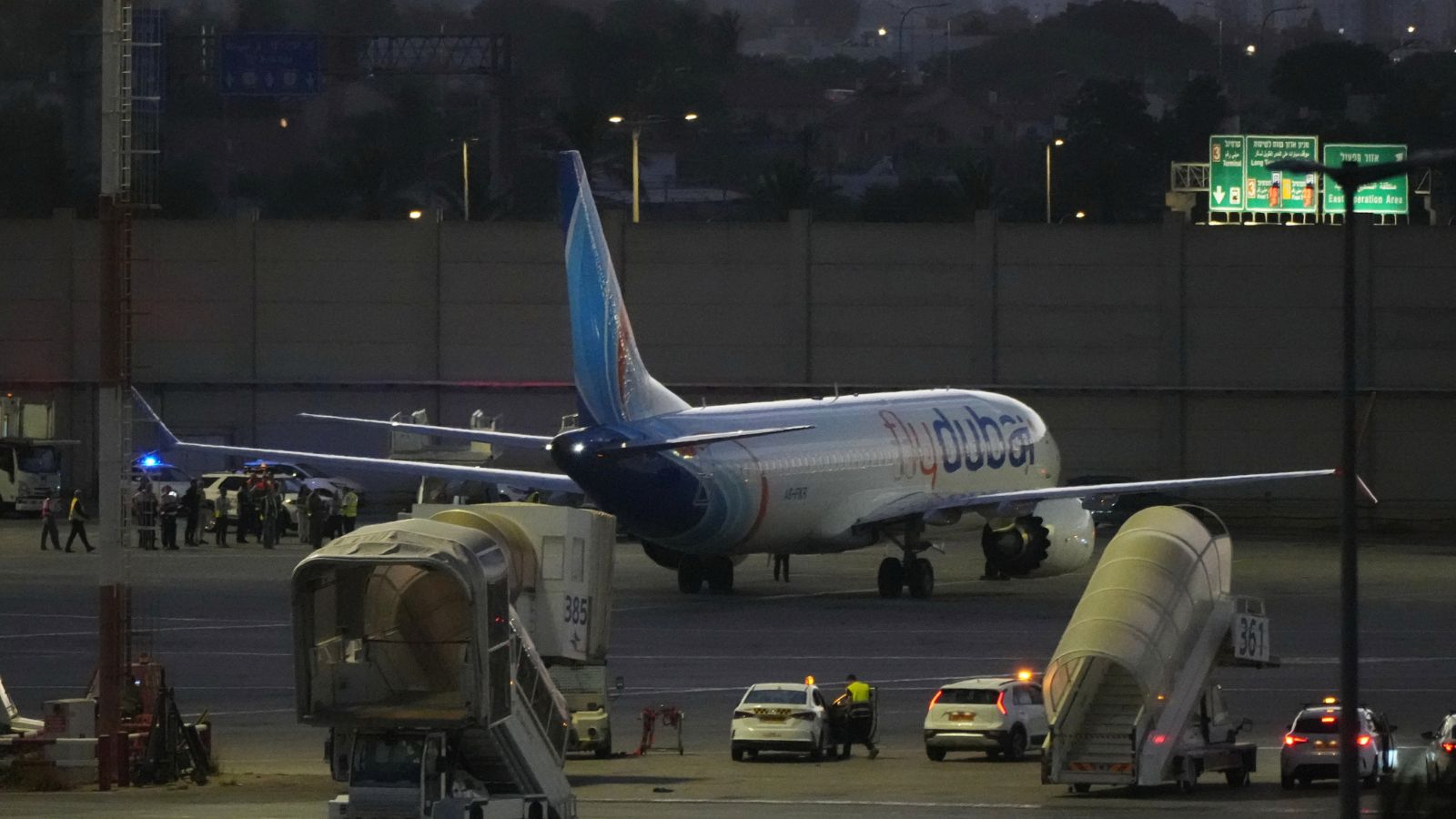
On September 30, 2026, Flydubai Flight 1073 from Dubai to Tel Aviv transformed from a routine commercial transit into a terrifying cockpit struggle when first officer Hamam al-Hammami allegedly attacked the captain and forced the Boeing 737 MAX into a steep, destabilized descent over Saudi airspace. The disaster was averted only through the desperate intervention of wounded flight crew and passengers who breached the armored door to subdue the pilot before the aircraft could be driven into the ground.
In the immediate aftermath, investigators began reverse-engineering the mind of a man who had successfully navigated commercial aviation hiring pipelines while harboring violent ideological extremism. Central to this post-mortem is a digital footprint buried deep within thousands of deleted posts published across social media channels between 2021 and 2022.
Long before al-Hammami sat in a commercial flight deck wearing an airline uniform, his public-facing digital persona was broadcasting the exact radicalized worldview that intelligence agencies later flagged. Using advanced semantic search models to parse nearly three thousand purged tweets and associated accounts, researchers uncovered a stark ideological blueprint. His writing obsessed over rigid social hierarchies, the perceived corruption of modern spaces, and a deep-seated grievance against mixed-gender environments.
"How many respectable, religious girls have been ruined in mixed-gender work environments and manipulated?" al-Hammami posted in January 2022.
This single line is more than internet misogyny; it is a symptom of a broader absolutist pathology. The rhetoric aligns with a known extremist pipeline that views integration, secularism, and institutional normalcy as existential threats to be combated. Alongside these text posts, investigators recovered imagery associated with historical extremist figures and suicide bombers.
Herein lies the systemic failure. The aviation industry prides itself on hyper-standardized safety protocols, medical clearances, and technical competency checks. Yet, psychological screening and digital vetting remain stuck in the analog era. Background checks heavily emphasize criminal records, financial distress, and basic employment verification, treating a pilot's internet presence as private property rather than an operational risk indicator.
Al-Hammami's history was not entirely invisible. Reports indicate that prior employment vetting or regional carriers had already spotted warning signs or removed him from certain active flying duties due to extremist concerns, yet he managed to transition into a position on a high-risk, geopolitically sensitive flight route. The assumption that a uniform and a commercial pilot's license serve as proof of ideological neutrality is a dangerous illusion.
When digital archives are scrubbed or ignored, airlines fly blind. The deleted posts of Hamam al-Hammami were not hidden in dark web forums or encrypted chat rooms. They existed on mainstream networks, archived by the very algorithms that later had to be deployed to unearth them.
Commercial aviation now faces an uncomfortable reckoning. The cockpit door was reinforced to keep external threats out. Flight 1073 proved that the industry must now build defenses against the unvetted ideologies festering within its own ranks.


