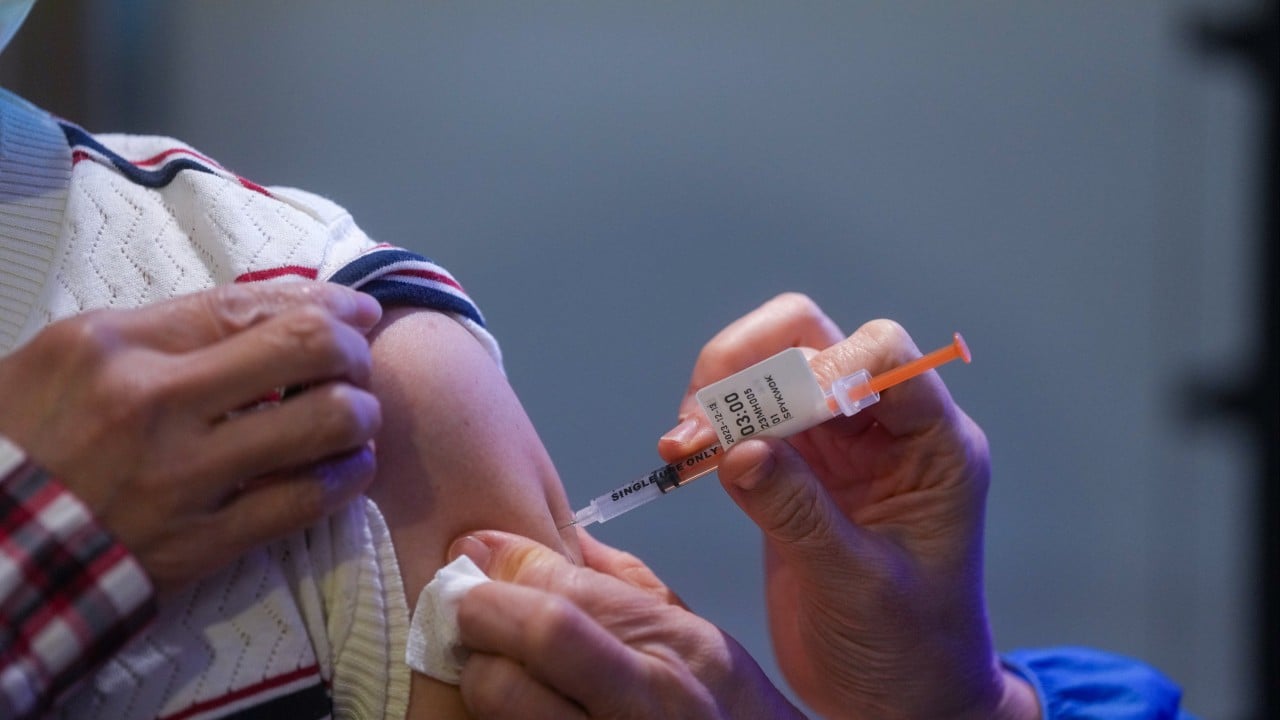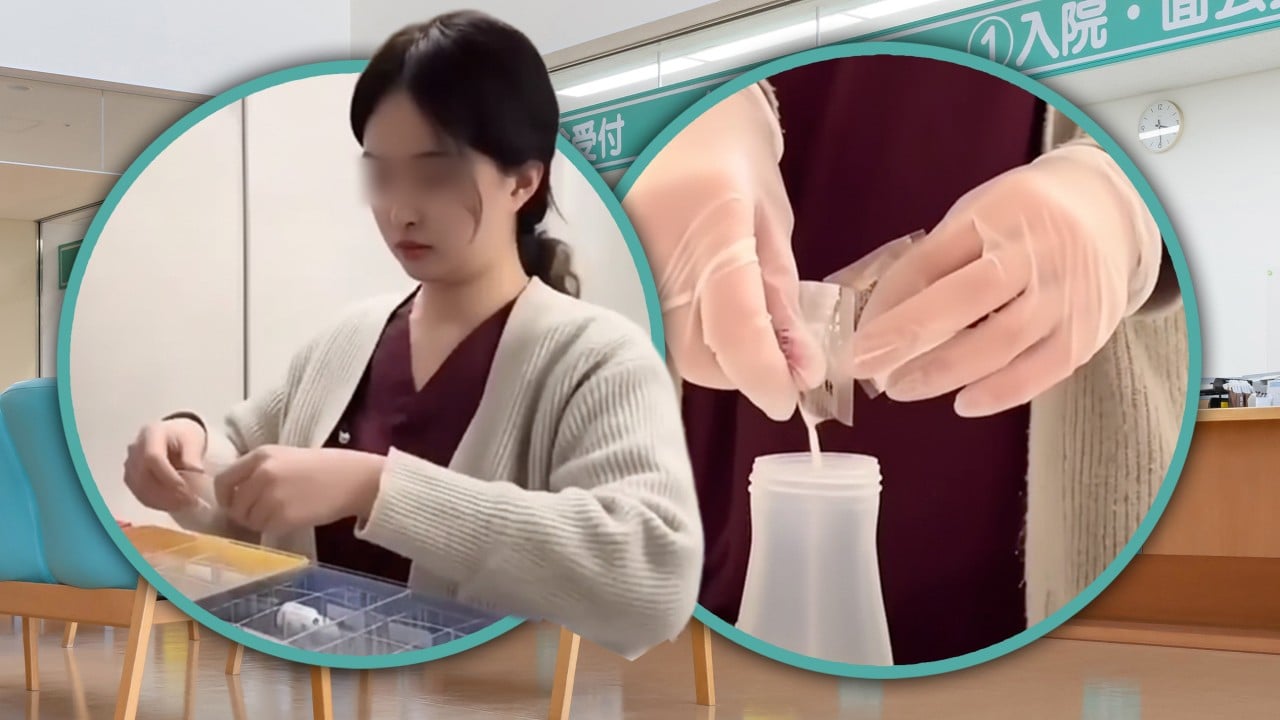
A Chinese nurse working in Japan recently sparked an international ethics firestorm by uploading videos of her clinical environment to social media. While the footage was intended to document her daily professional life, it inadvertently exposed the fragile state of patient confidentiality in a world where every smartphone is a broadcast studio. This incident isn't just a lapse in judgment by a single healthcare worker. It represents a systemic failure to reconcile the exhibitionist nature of modern social platforms with the rigid, life-or-death privacy requirements of a hospital ward.
Patient privacy is dying by a thousand cuts, or rather, a thousand clips. When a medical professional hits record in a sensitive area, they aren't just filming their "hustle." They are monetizing or seeking social validation through the proximity to human vulnerability. Even if a patient's face isn't visible, the background details—monitor sounds, room layouts, or overheard conversations—can be enough to identify an individual in a specific community. This breach of trust threatens the very foundation of the patient-provider relationship, yet hospitals are struggling to keep pace with the speed of the creator economy.
The Illusion of the Empty Ward
Many creators in the medical field believe that if they don't show a face, they aren't breaking any rules. This is a dangerous misunderstanding of data privacy. In a clinical setting, context is often as identifying as a fingerprint. A specific combination of a nurse’s location, the time of the post, and a glimpsed medical chart can reveal a patient's identity to anyone familiar with that specific hospital.
In the case involving the Japan-based nurse, the backlash centered on the ethical gray zone of "vlogging" in a space where consent is impossible to obtain from everyone in the frame. Japan has some of the strictest social norms regarding privacy, known as puraibashii. Violating this doesn't just result in a slap on the wrist from an employer; it can lead to permanent professional exile. The nurse in question found herself at the intersection of two cultures with very different attitudes toward public sharing, but the universal standard of medical ethics remains clear: the patient’s right to anonymity is absolute.
The Dopamine Loop versus Professional Oaths
Why would a trained professional risk a hard-earned license for a few thousand likes? The answer lies in the psychological rewards of social media. Healthcare is an isolating, high-stress environment. Sharing "a day in the life" content provides a sense of community and external validation that the grueling shift itself often lacks. However, this creates a conflict of interest. When a nurse views their workplace as a "set" for content, the patient stops being the sole priority and becomes a prop.
This shift in perspective is subtle but corrosive. If a nurse is thinking about the best angle for a TikTok transition while checking an IV drip, their cognitive load is split. Errors in medicine usually happen in the gaps of attention. The "influencer nurse" phenomenon isn't just about privacy; it's about the erosion of professional presence. You cannot be fully present for a dying patient if you are also imagining how to edit that moment for an audience of strangers.
Institutional Failure to Regulate the Lens
Hospital administrations are notoriously slow to adapt to technological shifts. Most facilities have "social media policies," but these documents are often toothless or outdated. They tell employees not to post "confidential information," but they fail to define what that looks like in the age of 4K video and live streaming.
We see a massive gap between the policy on paper and the reality on the floor.
- Vague Guidelines: Policies often rely on the "common sense" of employees, which is a subjective and unreliable metric.
- Enforcement Lag: HR departments often only intervene after a video goes viral and causes a PR nightmare, rather than proactively monitoring or banning recording devices in clinical zones.
- The "Relatability" Trap: Some hospitals actually encourage staff to post on social media to help with recruitment or branding, inadvertently signaling that the hospital is a playground for content creation.
The Hidden Cost of Geographic Arbitrage
The specific case of a Chinese national working in Japan adds a layer of complexity regarding international labor and cultural friction. Migrant workers often use social media to maintain links with their home country, sharing their successes and the "exotic" nature of their new surroundings. For a Chinese nurse in Japan, her followers back home represent a vital support system.
However, this creates a situation where the data—the video of the Japanese hospital—is being exported to a different legal and cultural jurisdiction. What might be considered "educational" or "inspirational" in one country can be seen as a gross violation of dignity in another. This geographic arbitrage of content means that the victims of the privacy breach (the patients) may never even know their images or environments are being broadcast to millions of people thousands of miles away.
Reclaiming the Sacred Space of Healing
There is a reason why hospitals were historically closed off from the public eye. They are places of profound transition—birth, trauma, and death. To turn these spaces into a background for "outfit of the day" posts or "nursing tips" videos is to strip them of their gravity. We are witnessing a commodification of the clinical encounter that benefits the creator and the platform while offering nothing but risk to the patient.
Strict bans on recording in clinical areas are becoming a necessity. While this might seem harsh to those who want to "humanize" the profession, the alternative is a total collapse of the expectation of privacy. A patient should never have to wonder if their most vulnerable moment is being used to rack up views. The profession needs to decide if it is a service-oriented discipline or a subset of the entertainment industry.
The Myth of the Educational Excuse
Many healthcare influencers defend their actions by claiming they are "educating the public." While there is value in debunking medical myths or explaining procedures, this can be done without filming in a live ward. Using a simulation lab or a dedicated studio space fulfills the educational mission without compromising real-world patients.
When a creator chooses to film in a live environment instead of a controlled one, they are choosing "authenticity" over safety. Authenticity is a currency in the social media world, but in medicine, safety is the only currency that matters. The "educational" label is frequently used as a shield to deflect legitimate criticism of attention-seeking behavior. We must demand that medical education online adheres to the same HIPAA or international equivalents that govern offline interactions.
The Legal Precipice
The legal ramifications are catching up to the trend. In various jurisdictions, patients are beginning to sue not just the individuals, but the institutions that allowed the filming to occur. If a hospital cannot guarantee that a patient won't be broadcast on the internet, they are failing in their duty of care.
- Tort of Intrusion: Capturing someone in a private moment without consent is a clear legal violation in many Western and Asian legal systems.
- Licensing Board Revocation: Nursing boards are increasingly viewing social media misconduct as "unprofessional conduct," which is grounds for losing the right to practice.
- Employment Termination: As seen in recent cases, hospitals are moving toward a zero-tolerance policy for unauthorized filming, as the liability insurance costs for these breaches skyrocket.
The Path Forward for the Medical Community
To stop this trend, the medical community must move beyond reactive discipline. There needs to be a cultural shift that re-establishes the hospital as a "no-lens" zone. This starts in nursing and medical schools, where the ethics of digital presence should be a core part of the curriculum, not an elective or a brief seminar.
We need to foster an environment where colleagues feel empowered to call out coworkers who are filming on the job. Currently, there is a "snitch" stigma that prevents junior staff from reporting senior staff who are popular on social media. This silence is what allows the erosion of privacy to continue unchecked. The professional standard must be that the phone stays in the locker, and the focus stays on the patient.
The digital age has blurred many boundaries, but the boundary of the patient's bedside must remain ironclad. If a nurse wants to be a creator, they should do it on their own time, in their own space, and with their own story—not the stolen stories of those they are meant to protect.
The case in Japan serves as a final warning. As hospitals become more digitized and our lives more performative, the silent patient in the background of a viral video is the one paying the price for our collective obsession with the screen. We must put the cameras down before the trust in our healthcare systems is permanently deleted.
Standardizing a "clean ward" policy is the only way to ensure that hospitals remain sanctuaries. This requires physical lockers for devices before entering high-sensitivity areas and the installation of signal-jamming technology in specific wards if necessary. If the professional oath isn't enough to stop the recording, then the infrastructure must do it for them. Protecting the patient's dignity is more important than any influencer's follower count.