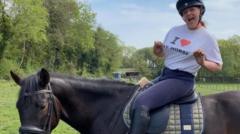
The screen glowed in the dark bedroom, casting a cold, blue light across the ceiling. Midnight. The digital storefront hummed with endless possibility. Scrolling through marketplace feeds had become a quiet addiction, a nightly hunt for potential, for grace, for something magnificent to bring home. There she was. A sorrel mare with an eye as soft as velvet, standing quietly in a sun-dappled pasture. The caption promised a dream. Kid-safe. Bombproof. Sound in wind and limb. Experienced enough to pack a beginner, gentle enough to steal your heart.
I clicked message.
(Note: While my specific family story is used here to ground the narrative, this account mirrors a documented wave of digital livestock fraud sweeping through peer-to-peer social media platforms.)
Buying an animal online feels modern. We order groceries, cars, and homes through pixels and digital handshakes, so why not a living, breathing 1,200-pound creature? We trust the interface. We trust the glowing reviews and the smooth assurances of strangers behind screens. The seller replied within minutes. Warm, articulate, sounding every bit like a devoted horsewoman downsizing her herd. She sent videos. The mare trotted gracefully, ears pinned forward, a child leading her by a loose lead rope.
It looked idyllic. It was an illusion.
Days later, a commercial trailer backed up to our gravel driveway. The ramp dropped. Out stepped a horse that bore only a superficial resemblance to the digital apparition we had purchased. Her ribs pressed hard against her hide. Her eyes darted wildly, rolling back to show whites edged in raw anxiety. The seller had insisted on a sight-unseen purchase, citing high demand and offering a video health check instead of a pre-purchase veterinary exam. Pressured by the phantom urgency manufactured by online marketplaces, we had agreed.
That was our first mistake. We trusted a stranger's convenience over our own instincts.
Animals remember cruelty. They store terror in their muscles and their bones, bracing against a world that has repeatedly betrayed them. We would learn later, through broken skin and shattering bone, that this mare had been heavily sedated during her audition video. The sweet, bombproof companion of the screen was a fabrication, cobbled together with chemical compliance and desperate deceit.
Three days into our ownership, the illusion shattered.
It happened in the golden quiet of a Tuesday afternoon. My twelve-year-old daughter, Chloe, walked into the pasture carrying a bucket of grain, her laughter bouncing off the weathered fence lines. She moved with the careful, practiced grace of a child who had spent her entire life around animals. She knew the rules. She knew the language of ears and tails.
She did not know the language of betrayal.
The mare stood motionless near the water trough, a coiled spring disguised as flesh. As Chloe stepped within range, the animal did not snort or warn. There was no hesitation. Just a sudden, violent pivot. A pair of iron-shod hooves lashed out with the blinding speed of a striking viper.
The sickening thud echoes in my mind still.
Time fractured. The metal bucket clattered against the dry earth, rolling in slow motion. Chloe dropped like a felled tree, silent before she even hit the ground. I ran across that pasture faster than my legs had ever carried me, screaming a sound that tore my throat raw.
When I reached her, the blood was already pooling, soaking into the pale grass. Her riding helmet lay cracked down the center, a jagged split where the impact had taken the brunt of the kinetic force. Had she not worn that helmet, the doctor later told us, the conversation in the emergency room would have been about grief rather than recovery. Concussion. Skull fracture. Swelling on the brain. The intensive care unit smelled of antiseptic, fear, and quiet despair for three agonizing days.
The digital marketplace did not care.
When I pulled up the seller's profile from the hospital Wi-Fi, the account was gone. Deactivated. The phone number was dead, disconnecting into the digital ether. No recourse. No accountability. Just a blank white screen where a community of trust used to be.
We live in an era that treats living creatures like consumer electronics. You browse, you buy, you click checkout, and you expect a seamless user experience. Social media platforms have democratized commerce, allowing anyone to become a merchant, a breeder, a dealer of dreams. But convenience breeds vulnerability. When you buy a refrigerator online and it fails, you deal with a customer service agent and a warranty. When you buy a traumatized, mis-sold animal online and it explodes, you deal with ambulances, trauma surgeons, and a lifetime of psychological fallout.
The unregulated peer-to-peer livestock trade operates in the shadows of platform algorithms designed to maximize engagement, not safety. Sellers hide behind pseudonyms, shifting locations, and burner phones. They exploit the romance of equestrian ownership, targeting parents eager to grant their children a traditional, grounded childhood. They sell broken horses to unsuspecting buyers, pocket the cash, and vanish before the sedation wears off.
Consider what happens next in these scenarios. Most victims stay silent. Shame is a powerful silencer. We blame ourselves for being gullible, for skipping the independent vet check, for trusting a stranger's smile in a profile picture. We swallow the financial loss and try to quietly rehome or manage a dangerous animal, perpetuating a dangerous cycle because we are too embarrassed to admit we were scammed.
I refused to stay silent.
We reported the transaction to local authorities, though jurisdiction lines blurred the investigation into uselessness. State animal cruelty laws rarely cover the nuanced fraud of misrepresenting an animal's temperament. Civil courts offer slow, expensive remedies against people who have already liquidated their assets and changed their names. The legal system is built for a physical world of brick-and-mortar storefronts, struggling to catch up to the frictionless, borderless velocity of digital marketplaces.
Recovery is rarely a straight line. Chloe returned home a month later, her long brown hair cropped short around a jagged surgical scar on her temple. She still startles at sudden movements. She still loves horses with a fierce, stubborn devotion that defies logic. But the innocence is gone, replaced by a hard-won, vigilant wisdom.
We ended up taking in an older, scarred gelding from a reputable local rescue a year later. We did not buy him online. We drove three hours to a muddy farm in the pouring rain. We sat in the pasture for four hours, watching him interact with the herd, listening to the farm manager recount every injury, every quirk, every bad day the animal had ever had. We paid for an independent veterinarian to draw blood, flex joints, and examine teeth.
It was inconvenient. It was expensive. It was entirely analog.
It was also the only way to heal.
The digital age promised to connect us, to make commerce effortless and life more accessible. But convenience has a cost, and sometimes the price is billed in blood and trauma. We cannot algorithm our way out of fundamental human responsibilities. When we trade trust for speed, we open the door to predators who trade in deception.
Chloe stands by the fence now, watching the old gelding graze in the evening sun. She reaches up, her fingers tracing the silver line of the scar hidden beneath her bangs. She doesn't look at phones anymore when we talk about animals. She looks at the ground, at the space between hoof and earth, searching for the truth that cannot be faked by a screen.