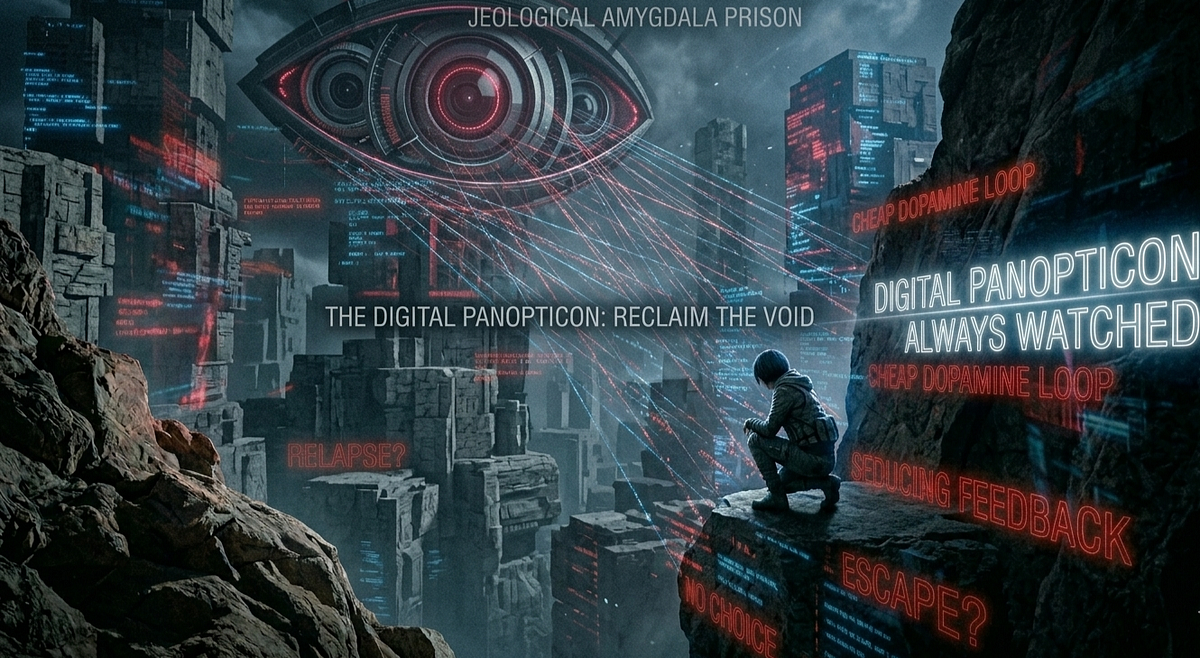
The air inside a courtroom in California smells faintly of old paper, damp wool, and suppressed panic. Outside, the midday sun beats down on palm trees that seem entirely indifferent to the tectonic plates shifting beneath the local economy. Inside, a quiet reckoning is underway. For years, the architects of our digital lives operated under a comfortable assumption. They believed distance was a shield. They believed code was law. They believed the sheer velocity of modern connection could outrun accountability.
Today, that illusion is fracturing.
Meta stands at the center of an escalating legal maelstrom in California, facing what legal analysts describe as astronomical consequences. This is not merely a bureaucratic disagreement over privacy settings or a routine antitrust slap on the wrist. It is a fundamental collision between the business model of modern surveillance capitalism and the raw, unyielding anger of a public that is waking up to the price of free connection.
Consider what it actually feels like to be caught in the gears of this machine.
Imagine a mother in Sacramento scrolling through her evening feed while her teenagers sit across the table, silently bathed in the cold blue glare of their own devices. She does not see algorithms or neural networks. She sees lost sleep. She sees shifting moods, sudden withdrawals, and an invisible architecture designed by brilliant minds to capture and hold attention at all costs. When she reads about the lawsuits piling up against Meta, she does not process them as dry legal filings. She processes them as vindication. Someone, finally, is naming the ghost in her house.
The legal fight in California has reached a critical juncture because the arguments have moved past theory into the realm of undeniable behavioral evidence. Internal documents leaked over the years pulled back the curtain to reveal a stark reality: the architects knew. They knew about the compulsive loops. They knew about the psychological vulnerability of young minds. They watched the metrics climb, celebrated the engagement spikes, and quietly filed away the warnings of their own researchers.
Lawyers representing states, families, and victims are no longer arguing about abstract terms of service. They are presenting timelines. They are mapping the exact trajectory of corporate decisions that prioritized daily active users over human well-being.
The financial exposure is staggering. Billions of dollars are at stake, yes. But money is the easy part for a trillion-dollar enterprise. The true existential threat lies in the precedent being set. If California courts pierce the armor of Section 230 protections and hold platforms directly accountable for the addictive design of their products, the ground shifts permanently. Every feed refresh, every algorithmic nudge, and every dark pattern becomes a potential liability.
To understand why this moment feels so heavy, we have to look at how we arrived here.
We traded our privacy for convenience piece by piece. A free map app here, a birthday reminder there, an endless scroll to fill the lonely moments between tasks. The trade felt weightless. But bills accumulated in the dark.
For a long time, technology companies enjoyed a status akin to secular gods. They promised a frictionless world, and we knelt at the altar of the update. Silicon Valley was viewed not just as a hub of commerce, but as the vanguard of human progress. Every product launch was greeted with breathless adoration. Criticism was brushed aside as techno-pessimism.
Yet, progress without guardrails always exacts a human toll.
The industrial revolution gave us mechanized labor and smog-choked cities before we realized we needed labor laws and environmental protections. The digital revolution followed the exact same arc. We built a hyper-connected global village without zoning laws, safety codes, or child labor protections for the mind. We let the algorithms run wild, optimizing for retention above all else, because attention is the currency of the realm.
Now, the bill collector has arrived at the gates of Menlo Park.
The legal strategies unfolding in California are methodical and relentless. Prosecutors and plaintiffs' attorneys are cutting through the corporate boilerplate to expose the machinery beneath. They are pointing to internal communications where executives debated feature rollouts knowing full well the psychological risks to minors. These are not misunderstandings. These are design choices.
When a car manufacturer installs faulty brakes to save a few dollars per vehicle, the path to liability is clear. When a pharmaceutical company downplays the addictive properties of a painkiller, the courts know how to measure the damage. But applying that same logic to software has been the great legal frontier of our decade.
California is proving that code does not absolve creators from consequence.
The implications stretch far beyond the borders of the courtroom. If Meta is forced to fundamentally alter its core mechanics—if the endless scroll is hobbled, if algorithmic curation for minors is dismantled, if the dark patterns of engagement are dragged into the sunlight—the ripple effects will shake the entire tech sector. Other platforms will have to adapt or face the same reckoning.
We are witnessing the end of the wild west era of the internet.
The narrative that technology is an unstoppable, neutral force of nature is dying. Technology is made by people. It embodies the choices, priorities, and blind spots of the people who write the code and manage the balance sheets. When those choices cause measurable harm to society, society has every right to demand a reckoning.
Inside that California courtroom, the arguments grind on. Briefs are filed, motions are debated, and the gears of justice turn with agonizing slowness. But outside, the cultural tide has already turned. The awe has worn off. What remains is a cold-eyed demand for accountability.
The screen goes dark when you press the power button. But the weight of what we built, and what we allowed, remains in the room.


