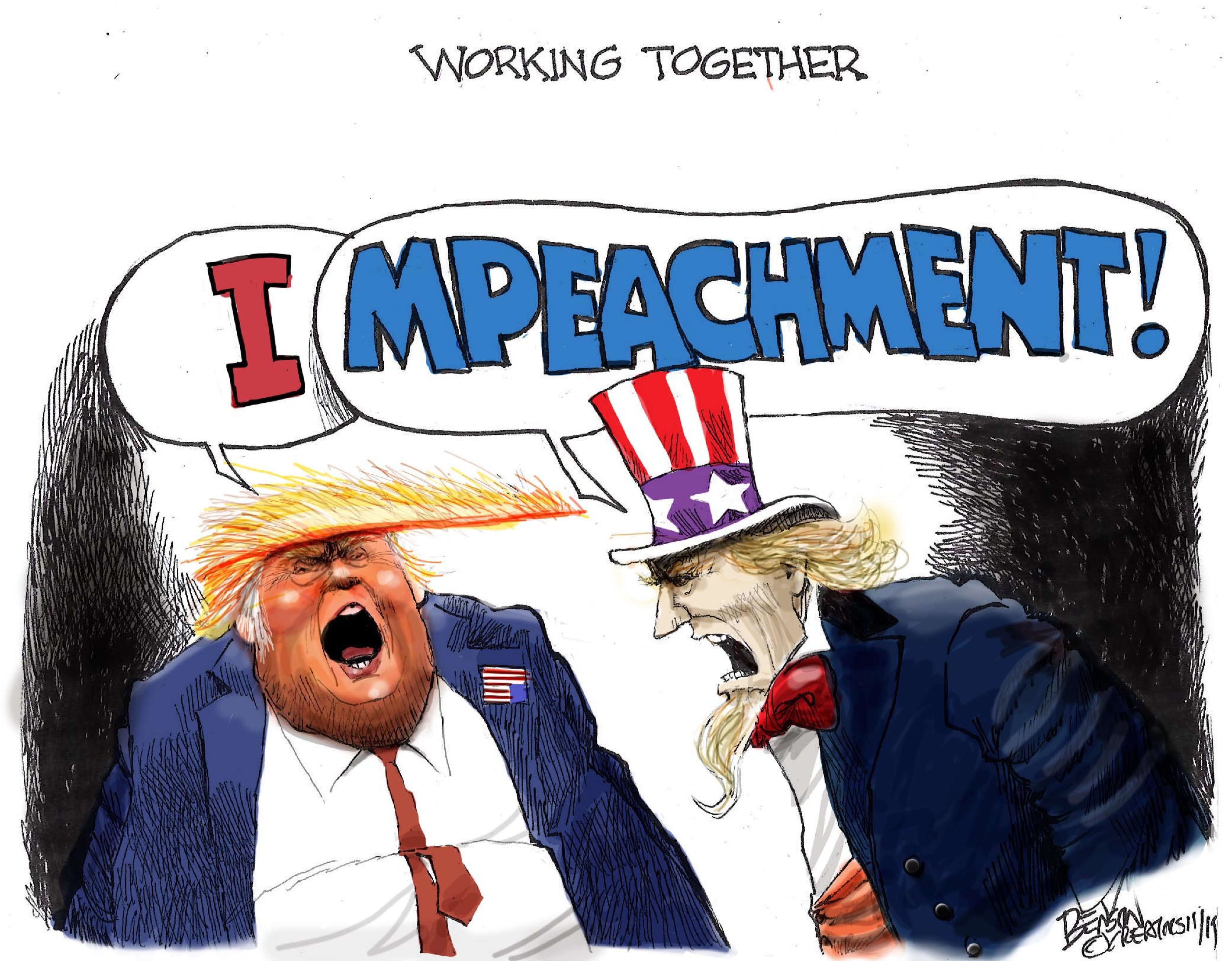
Diplomatic communication functions as a precision instrument where geography, semantics, and intent intersect. When a senior envoy publicly characterizes a contested region as an "important part of India," the immediate byproduct is not policy shift but the activation of established ritualized protests. This interaction serves as a primary data point for understanding the friction between localized administrative reality and the broader international legal frameworks governing disputed territories.
The Mechanism of Diplomatic Friction
The recent administrative visit to Srinagar by the United States Ambassador to India, Sergio Gor, and his subsequent characterization of Jammu and Kashmir as an "important part of India", triggered a predictable mechanical response from the Pakistani Ministry of Foreign Affairs. This response cycle is defined by three distinct stages:
- The Trigger: A public assertion by a third-party diplomat that acknowledges the de facto administrative control of one claimant.
- The Ritualized Response: The summoning of the respective diplomat (in this case, the US Chargé d’Affaires in Islamabad) to lodge a formal demarche.
- The Legal Appeal: A public restatement of the "internationally recognized disputed" status, citing UN Security Council resolutions as the primary arbiter of the final territorial disposition.
This cycle remains consistent regardless of the specific envoy involved. It mirrors the tension experienced in 2022 when the US Ambassador to Pakistan, Donald Blome, visited Pakistan-administered Kashmir—referred to in official US embassy dispatches as "Azad Jammu and Kashmir"—which prompted a sharp diplomatic protest from New Delhi. Both incidents highlight a core diplomatic strategy: balancing bilateral relationships by operating within the disparate frames of reference maintained by India and Pakistan.
The Cost Function of Semantic Ambiguity
Diplomatic entities utilize semantic ambiguity to maintain relations with two parties holding mutually exclusive territorial claims. When an official uses a term like "important part of India," they are not necessarily signaling a change in US policy, which traditionally maintains that the status of the region is a matter for the two countries to determine through direct dialogue. Instead, the statement serves as an acknowledgement of the current administrative, security, and economic reality on the ground.
The cost of this ambiguity is the periodic strain on bilateral ties when one state perceives a drift toward the other’s position. Islamabad’s critique that such remarks are "factually incorrect" and "irresponsible" serves as a defensive mechanism to ensure that the "disputed" classification remains current within the international record. From an analytical perspective, this is a zero-sum game of perception management. If the US acknowledges Indian security and governance improvements, it implicitly validates Indian sovereignty. Conversely, any administrative engagement with Pakistan-administered territories is viewed by New Delhi as an infringement on its territorial integrity.
Operational Indicators and Security Signaling
Beyond the semantic debate, the visit carried distinct operational weight. The US ambassador's suggestion that travel advisories—currently at a Level 4 "Do not travel" status—are under review signifies a shift in the perceived risk environment. The correlation between the Chief Minister's security initiatives and the potential downgrading of travel warnings creates a tangible metric for measuring regional stability.
This signals that the US is actively assessing the region through an economic and security lens, prioritizing the expansion of bilateral engagement and investment opportunities over the static nature of the diplomatic dispute. This transition from a strictly conflict-focused observation to an interest-based engagement model suggests that the US views the long-term stability of the region as a requisite for wider economic integration.
The Strategic Outlook
The recurring nature of these protests confirms that neither party intends to relinquish their legal position. For analysts, the focus must shift from the rhetoric of individual statements to the trend lines of administrative cooperation.
- Monitor the divergence: Watch for the degree to which US economic aid and development initiatives are localized within specific regions on either side of the Line of Control.
- Evaluate the security architecture: The potential revision of travel advisories acts as a leading indicator of how Western powers assess the efficacy of local administrative control.
- Institutionalize neutral engagement: Future stability hinges on the ability of third-party nations to maintain a policy of "active detachment," where bilateral economic relationships are advanced without formalizing the final political status of the contested zone.
The strategic play for any actor involved is to decouple development and security cooperation from the final status resolution, treating the former as a matter of humanitarian and economic necessity while treating the latter as a frozen diplomatic variable. Continued investment in regional infrastructure, provided by both the US and local governments, will likely proceed regardless of the periodic diplomatic turbulence generated by nomenclature disputes.