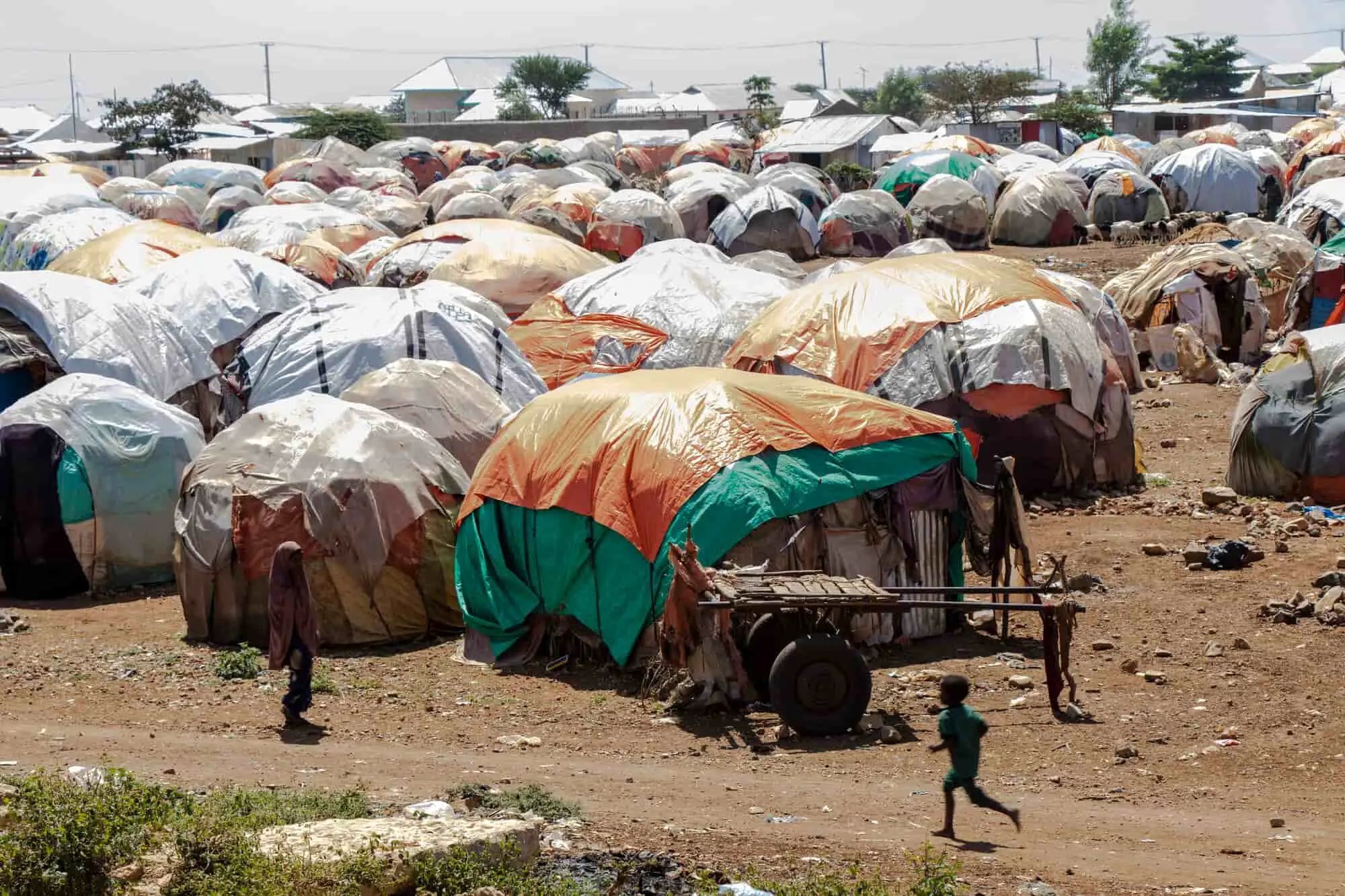
Thousands of miles away from the coastal mangrove swamps of Myanmar's Rakhine State, a fragile plateau in the northern Himalayas has quietly become the latest arena for a forgotten humanitarian emergency. The Rohingya community living in Jammu and Kashmir, a heavily militarized and politically sensitive territory, faces a mounting wave of administrative pressure, localized evictions, and acute destitution. This is not merely a local housing dispute. It is the collision point of international geopolitics, national security paranoia, and the desperate survival strategies of a stateless people.
When families begin dismantling their own corrugated tin roofs and stacking salvaged wood onto rented flatbed trucks, a quiet tragedy is unfolding. This preemptive demolition happens under the heavy shadow of impending municipal bulldozers or nocturnal police warnings. Discover more on a related topic: this related article.
The immediate trigger is rarely an explicit federal deportation order broadcast on national television. Instead, it operates through a slow, grinding apparatus of municipal notices, water supply cutoffs, and intense surveillance that makes daily survival untenable. For the Rohingya refugees living in makeshift settlements around Jammu, the message is unmistakable. Pack up or face total destruction of whatever meager assets remain.
The Anatomy of Displacement in a Disputed Zone
To understand why these communities are fracturing now, one must look closely at the unique geopolitical landscape of Jammu and Kashmir. Following the revocation of Article 370 in August 2019, the region experienced a complete administrative overhaul. Central laws superseded local statutes, security grids tightened, and demographic anxieties among indigenous populations escalated sharply. More analysis by BBC News delves into similar views on the subject.
Local political actors and nationalist groups frequently weaponize the presence of undocumented immigrants, framing a few thousand refugees as an existential threat to the region's delicate demographic balance. This rhetoric provides the political cover needed for local authorities to expedite clearance operations, often targeting informal settlements under the guise of anti-encroachment drives on state-owned land.
Yet, pinning the crisis solely on local municipal policy misses the broader picture. Many of these families arrived a decade ago, fleeing the 2017 military clearance operations in Myanmar that United Nations investigators termed a textbook example of ethnic cleansing. They found initial refuge in northern India because of porous borders, informal labor markets, and humanitarian tolerance at the grassroots level.
That tolerance has evaporated. India is not a signatory to the 1951 Refugee Convention, nor does it possess a domestic refugee framework. Consequently, every asylum seeker is legally classified as an illegal immigrant under the Foreigners Act. This legal vacuum leaves refugees entirely vulnerable to executive whims, shifting diplomatic alignments, and populist political pressures.
Life on the Margins of the Informal Economy
Survival for the Rohingya in Jammu has always depended on the lowest rungs of the informal labor market. Scrap metal collection, manual construction labor, and sanitation work sustain families who live hand-to-mouth.
When eviction threats loom, this fragile economic ecosystem collapses overnight. Scrap yards close their doors to workers without recognized local identity papers. Landlords raise rents astronomically or demand sudden evictions to avoid police scrutiny. Children are pulled out of local informal schools, interrupting the only bridge to stability they might ever know.
The dismantling of homes is an act of desperate preservation. By taking down shelters themselves, families attempt to salvage building materials—tarps, wooden posts, and iron sheets—that cost hard-earned rupees to acquire. Leaving structures intact for the authorities means losing everything to the jaws of a mechanical excavator.
+-------------------------------------------------------------------+
|               The Cycle of Precarious Settlement                  |
+-------------------------------------------------------------------+
| 1. Arrival: Refugees settle on vacant public or marginal land.    |
| 2. Integration: Informal labor secured; makeshift homes built.    |
| 3. Political Shift: Demographic anxieties trigger state pressure. |
| 4. Eviction: Demolition notices or forced clearances executed.    |
| 5. Displacement: Families flee deeper into uncertainty.           |
+-------------------------------------------------------------------+
Critics of the state action argue that international law prohibits the forced return of refugees to territories where their lives or freedom are threatened, a principle known as non-refoulement. Indian courts have intermittently grappled with this tension, balancing humanitarian obligations against state sovereignty and national security prerogatives. However, the practical reality on the ground rarely pauses for judicial nuance. Detention centers, long-term holding facilities, and the constant threat of summary deportation hang over every community gathering.
The Geopolitical Trap
The plight of these refugees is further complicated by bilateral relations between New Delhi and Naypyidaw. Despite the ongoing civil war and the military junta's brutal consolidation of power in Myanmar, diplomatic channels remain open regarding security cooperation and border management. For the Rohingya scattered across South Asia, this means there is no safe harbor in the region. Bangladesh houses nearly a million refugees in sprawling, increasingly dangerous camps in Cox's Bazar, while those in India navigate a tightening web of surveillance and legal uncertainty.
International aid agencies find themselves locked out of the equation. Domestic restrictions on foreign non-governmental organizations operating in sensitive border regions mean that humanitarian relief is almost entirely ad-hoc, reliant on local charities and sympathetic individuals who risk administrative harassment for offering aid.
As winter approaches in the high-altitude terrain of northern India, families forced out of their settlements face plummeting temperatures without adequate shelter. Temporary camps give way to open-air exposure, increasing vulnerability to disease and malnutrition among the young and elderly.
The dismantling of these homes marks another chapter in a decades-long saga of displacement. Long after the bulldozers clear the land and the temporary settlements are reduced to flattened earth, the underlying structural failures remain unresolved, leaving thousands suspended in a permanent state of limbo.