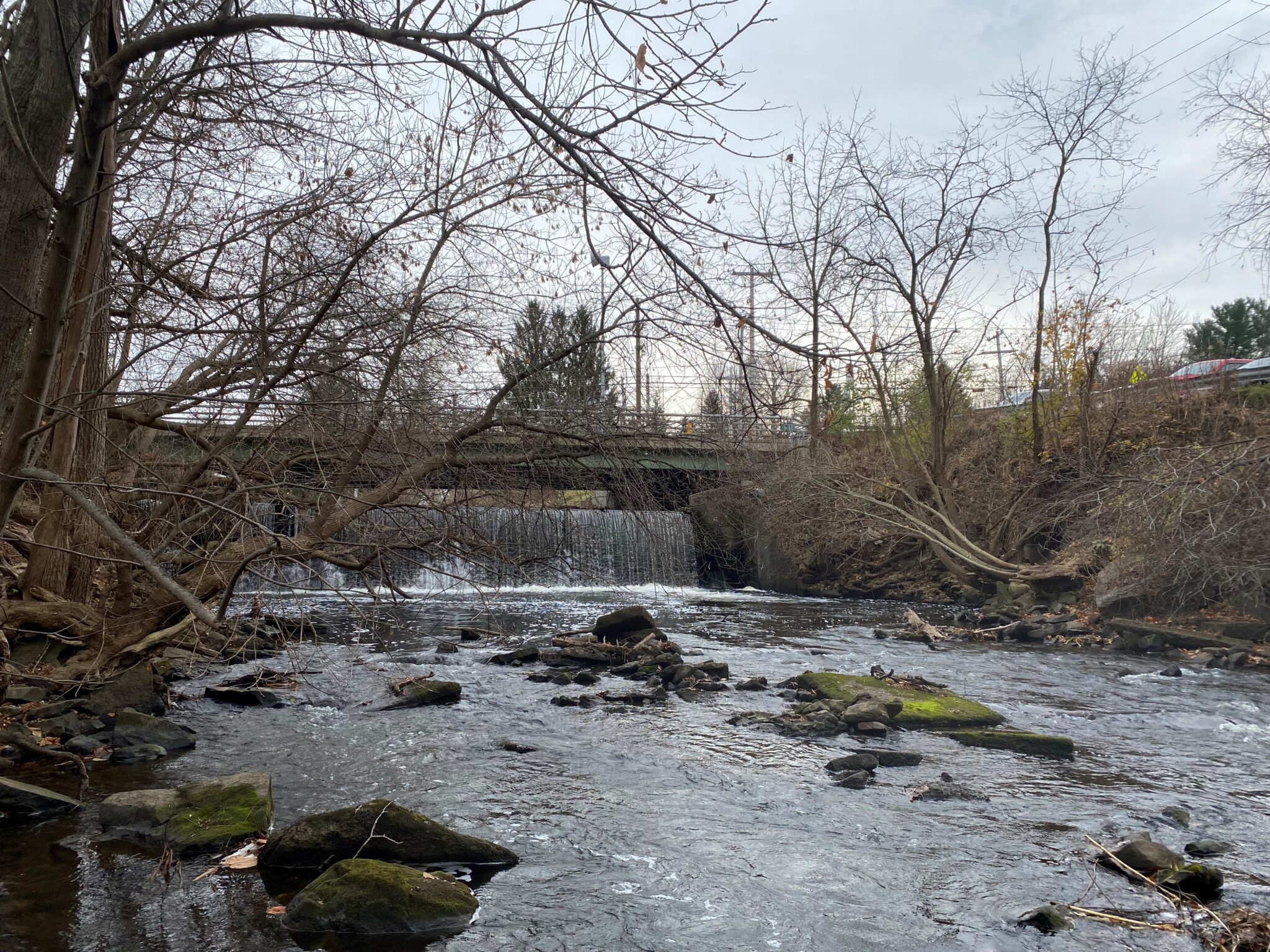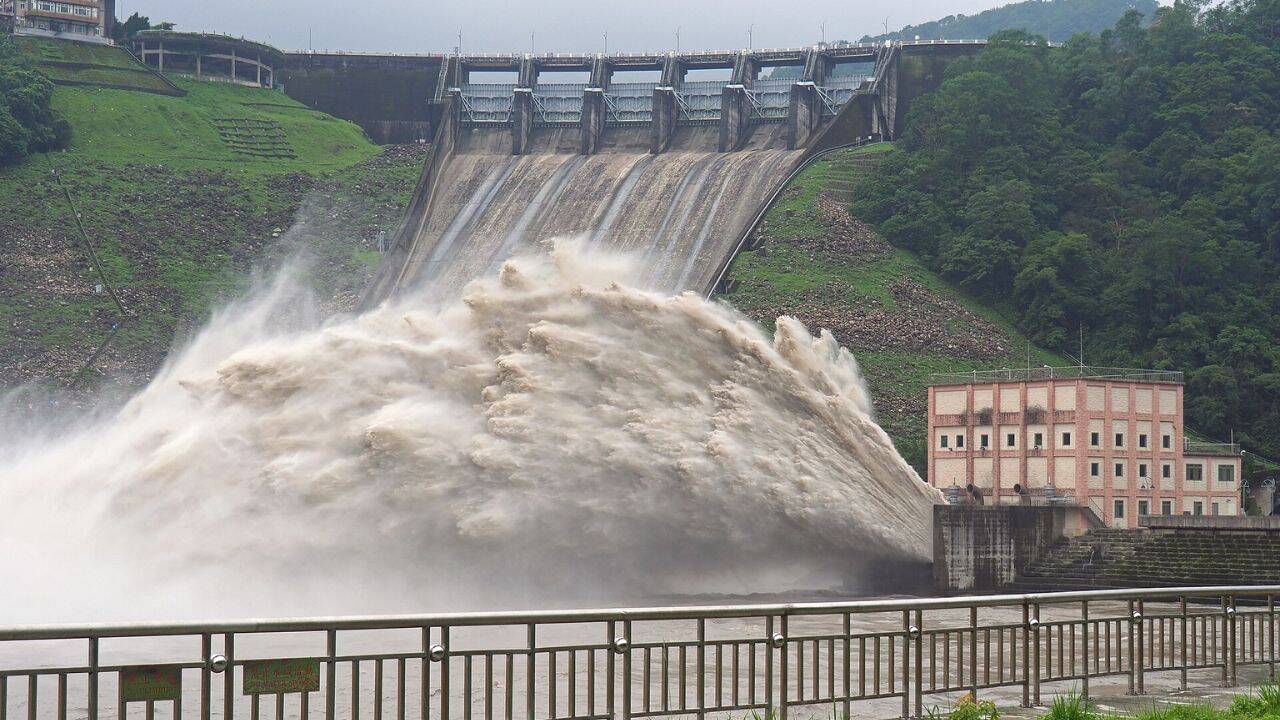
The sound comes first. It is not the roar of a breaking wave or the thunder of an approaching storm. It is a hollow, metallic groan, born of thousands of tons of concrete bowing against a silent enemy.
Stand at the edge of Lake Mead or Lake Powell on any given afternoon, and you will see the white ghost rings painted high on the canyon walls. These pale bath rings, bleached onto the sandstone by decades of moisture, tell a story of retreat. They are the high-water marks of a recent past that is rapidly dissolving into myth.
We talk about the West American dams as if they were permanent monuments, carved into the earth with the permanence of the mountains themselves. Hoover. Glen Canyon. Oroville. They are industrial cathedrals, symbols of a century-long hubris that turned an arid desert into an empire of green lawns, citrus groves, and sprawling metropolises.
They were built to conquer nature. Now, nature is simply waiting them out.
Consider a hypothetical orange grower named Elena, whose family has farmed three hundred acres in California's Central Valley for four generations. Elena does not read technical reports on mega-droughts or streamflow depletion. She measures the health of her world by the depth of her groundwater wells and the timing of her water district allocations. Five years ago, her pump reached four hundred feet. Last month, it dropped past seven hundred, pulling up water that tastes brackish and smells of ancient sulfur.
When the reservoirs behind the major dams drop below the power pool elevation, the turbines stop spinning. That is not a metaphor. It is a mechanical certainty. When the water level falls beneath the penstocks—the massive intake pipes that feed the hydroelectric generators—the massive dams cease to produce electricity.
More terrifying than the dark power grid is the empty pipe.
Millions of people from Phoenix to Los Angeles rely on these engineered waterways to quench a thirst that the desert naturally refuses to support. When the dams shut down, the water does not magically appear elsewhere. It simply stops flowing.
The crisis is not sudden. It is a slow-motion unraveling. Every foot the water drops strips away another megawatt of clean energy, forcing grid operators to scramble for fossil-fuel alternatives, driving up carbon emissions in a desperate attempt to keep air conditioners running through hundred-degree summers. It is a feedback loop of our own making. We burn more coal to pump less water, heating the atmosphere that starves the mountains of their winter snowpack.
To understand the fragility of this system, think of the Colorado River not as a river, but as a bank account. For decades, the seven states sharing the basin have withdrawn vastly more than the annual deposits made by melting snow and rain. We treated a dwindling savings account like an endless line of credit. Now, the bank is calling the loan.
The engineers who designed these marvels in the early twentieth century operated under hydrological assumptions that no longer exist. They planned for a wetter past. We are living in a drier future.
(Note: All statistical references to falling reservoir elevations and diminished snowpack are drawn directly from decades of United States Bureau of Reclamation hydrological data.)
There is a strange quiet that settles over a town when the water runs thin. It is the sound of sprinklers clicking off for the last time. It is the sight of golf courses turning to amber dust, of municipal swimming parks drained and filled with gravel. It is the uneasy calculation made by city planners who look at population growth projections and realize the math no longer balances.
We built our modern paradise on top of a plumbing system that is running dry.
The dams will not vanish overnight. They will not crumble in a cinematic collapse. They will simply stand silent, towering monuments to an era when we believed we could outsmart the sky. Below them, the riverbeds will crack and turn to dust, waiting for a rain that may not come in our lifetimes.
A hawk circles high above the concrete face of Hoover Dam, casting a swift shadow across the dry stone. Down below, the turbines hum their final, weary notes.