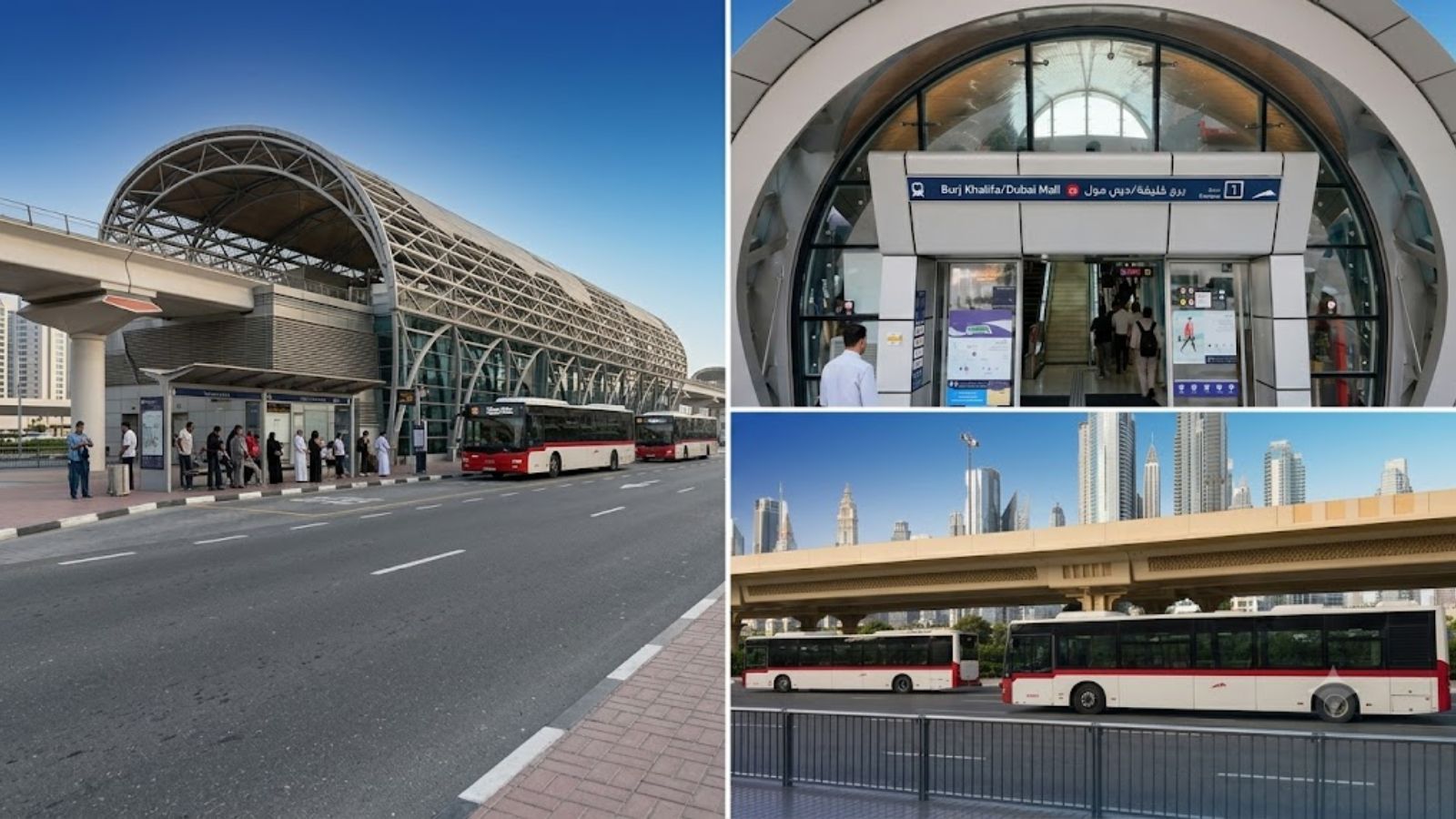
If you think navigating Downtown Dubai during rush hour is a test of patience, things just got a lot more complicated. The Roads and Transport Authority (RTA) dropped a major announcement that will alter your daily commute through the heart of the city. The bus and taxi service road right next to the Burj Khalifa/Dubai Mall Metro Station is officially closed to regular traffic.
It is not a weekend closure. This shutdown is locked in until the very end of 2026.
For the next 18 months, that specific stretch along Sheikh Zayed Road belongs strictly to construction vehicles. If you routinely grab a cab right outside the station or catch a feeder bus after work, your routine needs an immediate overhaul. The RTA is putting an integrated traffic management plan into play, but let's be real. Losing a primary transit artery in Dubai's heaviest tourism and business corridor means delays are guaranteed.
Here is exactly what is happening on the ground, why the city is pulling the trigger on this massive project, and how you can avoid getting stuck in the bottleneck.
What is Actually Changing on Sheikh Zayed Road
The closure hits the immediate access points for public transport right outside the station. You can no longer drive your personal vehicle, Uber, or standard taxi through the dedicated service lane. It is now a hard hat zone.
To keep the city moving, the RTA set up an alternative operating plan. They built a new bus layby directly alongside the existing stop. This keeps the buses running, but the physical space for maneuvering is drastically reduced.
On-the-ground reality: If you are driving along Sheikh Zayed Road toward Jabal Ali or Bur Dubai, you will notice fresh, highly visible directional signs. Pay attention to them. The RTA has modified speed limits through this zone to protect construction crews working right on the edge of the highway.
Expect tighter pedestrian crowds on the sidewalks. Taxis have to find alternative drop-off pockets, which means you will likely walk a bit further to reach the metro doors. If you are catching a flight or heading to a critical meeting in Downtown, add at least 20 to 30 minutes of buffer time to your journey.
The Numbers Behind the Chaos
Why put commuters through 18 months of structural headaches? The answer lies in sheer passenger volume. The Burj Khalifa/Dubai Mall station is a victim of its own success.
When the station opened back in 2010, the surrounding area looked entirely different. Over the years, ridership exploded. Look at the official RTA data tracking annual passenger counts through this single hub:
- 2013: 6.13 million passengers
- 2016: 7.25 million passengers
- 2019: 7.88 million passengers
- 2023: 10.20 million passengers
- 2024: 10.57 million passengers
The station is choking under its own weight, especially during massive holiday surges. On a typical New Year's Eve, this single station handles over 110,000 passengers in a matter of hours. The current infrastructure simply cannot handle a sustained 7.5% annual growth rate.
To fix this, the RTA partnered with Emaar Properties on a massive overhaul. The physical footprint of the station is expanding from 6,700 square meters to a sprawling 8,500 square meters.
More importantly, the hourly passenger capacity is jumping from 7,250 to 12,320. That is a massive 65% increase in throughput. Once the wraps come off at the end of 2026, the station will comfortably manage up to 220,000 daily commuters.
What the Upgraded Station Will Look Like
The architectural design will retain its iconic, seashell-inspired aesthetic, but the internal mechanics are changing completely.
Right now, the biggest pain point inside the station is the bottleneck at the ticket barriers and the footbridge. The expansion tackles this by introducing completely separate entry and exit gates. You won't have to swim against a tide of oncoming passengers just to leave the platform.
The project is also widening the main entrances and structural pedestrian bridges. Inside, expect much larger concourse and platform areas, crammed with a higher density of escalators and elevators. Retail spaces inside the station are also getting a revamp, which means more options for a quick coffee or snack on your way to the office.
How to Navigate Downtown Dubai Without Losing Your Mind
Knowing the technical details doesn't help when you are sweating on the pavement looking for a ride. You need a survival strategy for the next year and a half.
First, stop relying on the station curb for taxi pickups. Trying to call an Uber or hail a Dubai Taxi directly outside the metro doors will result in drivers getting stuck or canceling. Instead, walk through the air-conditioned Metro Link bridge directly into Dubai Mall and use the designated taxi ranks inside the mall basements. It is a longer walk, but it saves you from traffic gridlock on the main road.
Second, embrace the off-peak windows. If your job offers flexible hours, use them. The morning rush between 8:00 AM and 9:30 AM, and the evening stampede from 5:30 PM to 7:00 PM will be significantly more congested around the station perimeter.
Third, watch your speed if you are driving. Traffic fines in Dubai are steep, and with the RTA actively monitoring the modified construction zones along Sheikh Zayed Road, missing a temporary speed limit sign will cost you. Follow the clear markers pointing toward Bur Dubai and Jabal Ali to position yourself in the correct lanes early.
Leave early, watch the signs, and adjust your transit apps to account for the new bus layby configurations.


