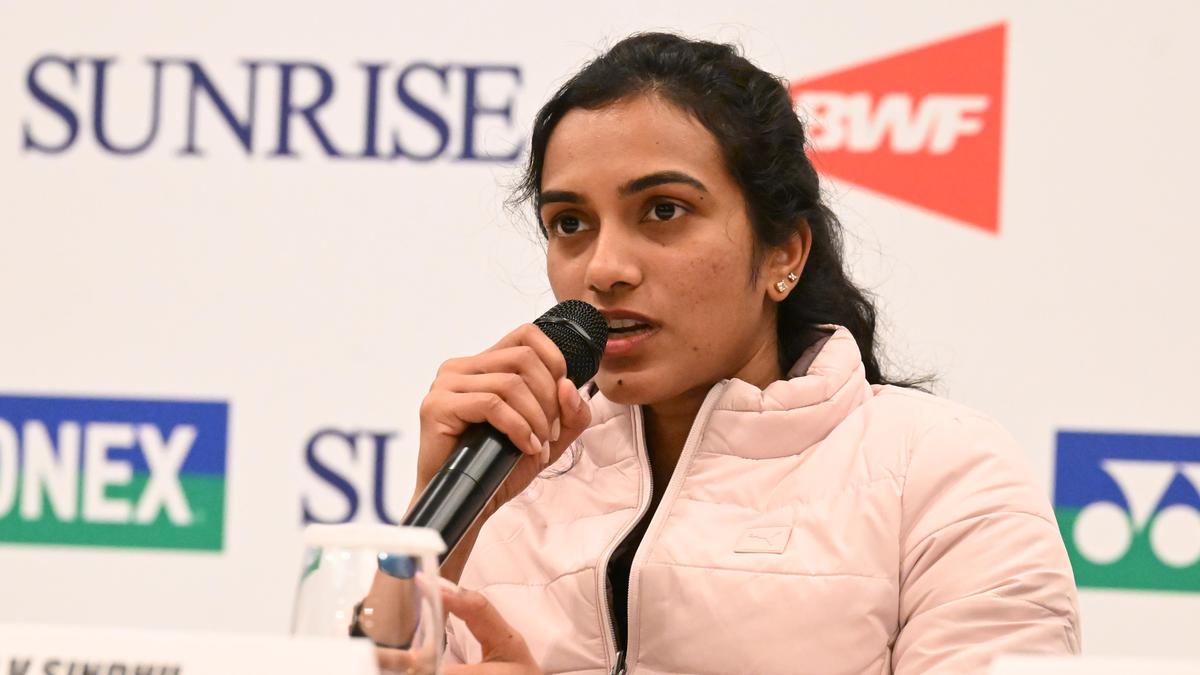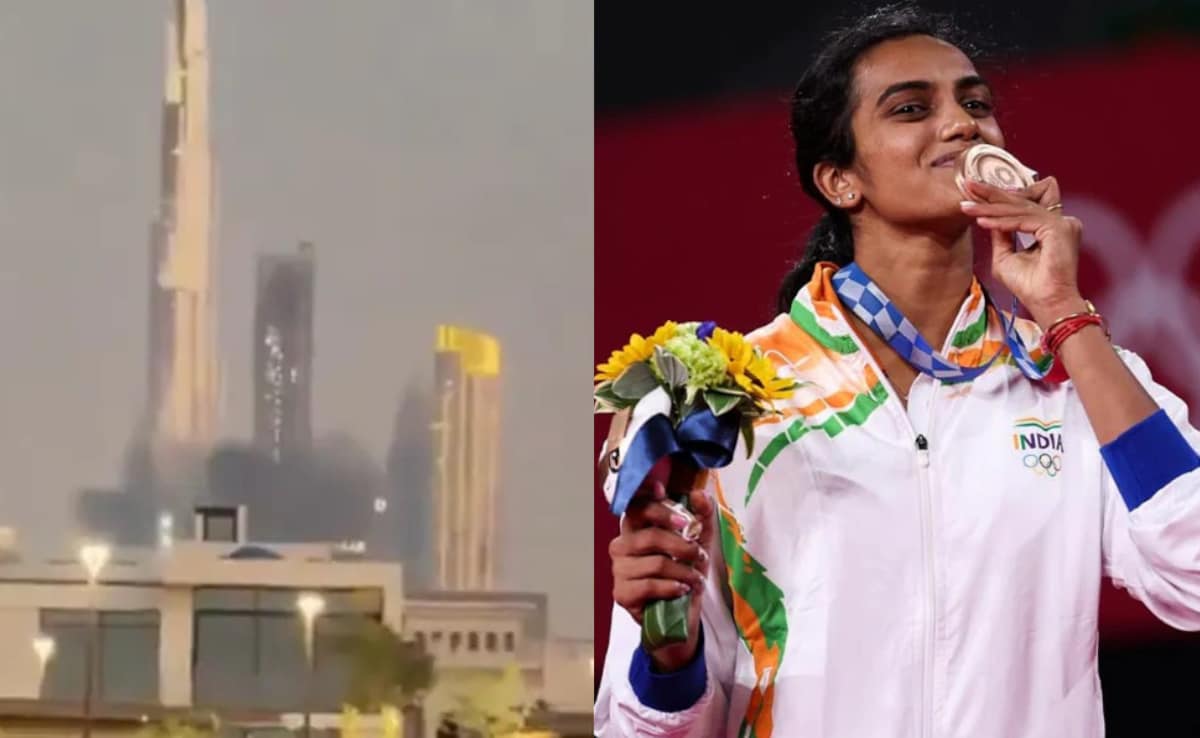
The world’s busiest international air hub did not just stop; it fractured. On Saturday, March 1, 2026, Dubai International Airport (DXB) shifted from a gleaming monument of global connectivity into a chaotic bottleneck of stranded lives and halted ambitions. Among those caught in the gears of this geopolitical machine was India’s double Olympic medalist, PV Sindhu.
Traveling to the All England Open in Birmingham—a tournament often described as the Wimbledon of badminton—Sindhu found herself less than 4,000 miles from her destination but effectively light-years away. The suspension of flight operations following a series of military strikes involving the United States, Israel, and Iran turned one of the most reliable transit corridors on earth into a restricted zone. For an elite athlete, a 24-hour delay isn't just a logistical hiccup. It is a physiological and psychological crisis that threatens to derail years of preparation.
The Anatomy of a Shutdown
The closure was not a mere administrative precaution. Reports of explosions near the airport and structural damage to a concourse at DXB underscore the severity of the security breach. When the Iranian Revolutionary Guard launched retaliatory strikes against regional targets, the "safe" status of the Gulf hubs evaporated.
- Airspace Gridlock: Major carriers including Emirates and flydubai suspended all operations indefinitely.
- Physical Risk: Minor damage was reported at DXB, with four staff members injured during the initial wave of hostilities.
- The Scale: Over 3,400 flights were canceled across the Middle East by Sunday, leaving tens of thousands of passengers, including Sindhu’s coaching and support staff, in a state of high-altitude limbo.
Sindhu’s ordeal highlights a growing vulnerability in the way we move elite talent around the globe. We rely on a handful of "super-hubs"—Dubai, Doha, Singapore—to funnel the world’s best from East to West. When one of these nodes fails, the ripple effect is felt not just in tourism, but in the integrity of international competition.
Performance Under Pressure
For Sindhu, the stakes go beyond a missed flight. The All England Open begins on March 3. In the world of high-performance badminton, the days leading up to a Super 1000 event are meticulously scheduled. There are practice sessions to adjust to the drift of the arena, physiotherapy blocks to manage recovery, and the critical "tapering" of physical intensity.
Spending those crucial 48 hours in a secure holding area or a chaotic airport lounge is the antithesis of professional preparation. The "tense and scary" environment Sindhu described on social media—marked by the sound of interceptions overhead—triggers a cortisol spike that can take days to subside. While her rivals, like the Indian men’s doubles pair Satwiksairaj Rankireddy and Chirag Shetty, safely reached Birmingham before the strikes, Sindhu is fighting a battle against time and biology.
The Oversight in Global Scheduling
This crisis exposes a significant blind spot in how sporting bodies like the Badminton World Federation (BWF) manage player logistics. Athletes are often left to navigate these geopolitical minefields using commercial hubs that are increasingly targets in regional conflicts.
The BWF has stated they are monitoring the situation, but the "contingency plans" for a Super 1000 event are notoriously rigid. Will they delay Sindhu’s first-round match against Thailand’s Supanida Katethong? If they do, it pushes the entire schedule back, impacting broadcasting rights and venue availability. If they don't, they force one of the sport’s biggest stars to compete in a state of exhaustion, significantly increasing the risk of injury.
The Cost of the Hub Model
The aviation industry has spent two decades convincing us that the "hub and spoke" model is the pinnacle of efficiency. By funneling all traffic through a single point like Dubai, airlines maximize load factors and minimize costs. However, as we are seeing now, this creates a single point of failure.
When DXB goes dark, the alternative routes—such as flying south over Saudi Arabia or rerouting through Istanbul—become instantly overbooked and prohibitively expensive. One-way fares to London have reportedly surged to nearly $1,700. For an independent athlete or a smaller sports federation, these costs are ruinous. Even for a star of Sindhu’s stature, the sheer lack of available seats on diverted flights creates a physical barrier that no amount of money can immediately solve.
Beyond the Baseline
The Indian Embassy in the UAE has stepped in to assist the hundreds of stranded citizens, and Sindhu has been moved to a "more secure place." But "secure" is not "ready." The psychological toll of hearing explosions and witnessing a major international terminal descend into panic is not easily erased by a business-class seat on the next available flight.
As of Sunday evening, the situation remains fluid. The All England Open will likely proceed, but it will be a diminished version of itself if its marquee players are still sitting in hotel rooms in the Gulf, watching the clock tick toward their scheduled start times. This isn't just about a badminton player missing a tournament; it's about the fragility of our interconnected world and the realization that even the most elite performers are at the mercy of a geopolitical landscape they cannot control.
The "definitive" takeaway here isn't just about Sindhu’s safety—which, thankfully, seems assured for now—but about the necessary evolution of sports travel. Relying on a single, volatile region for 80% of East-West transit is a gamble that the sporting world may no longer be able to afford.
Would you like me to track the official BWF schedule changes for the All England Open as they are announced?