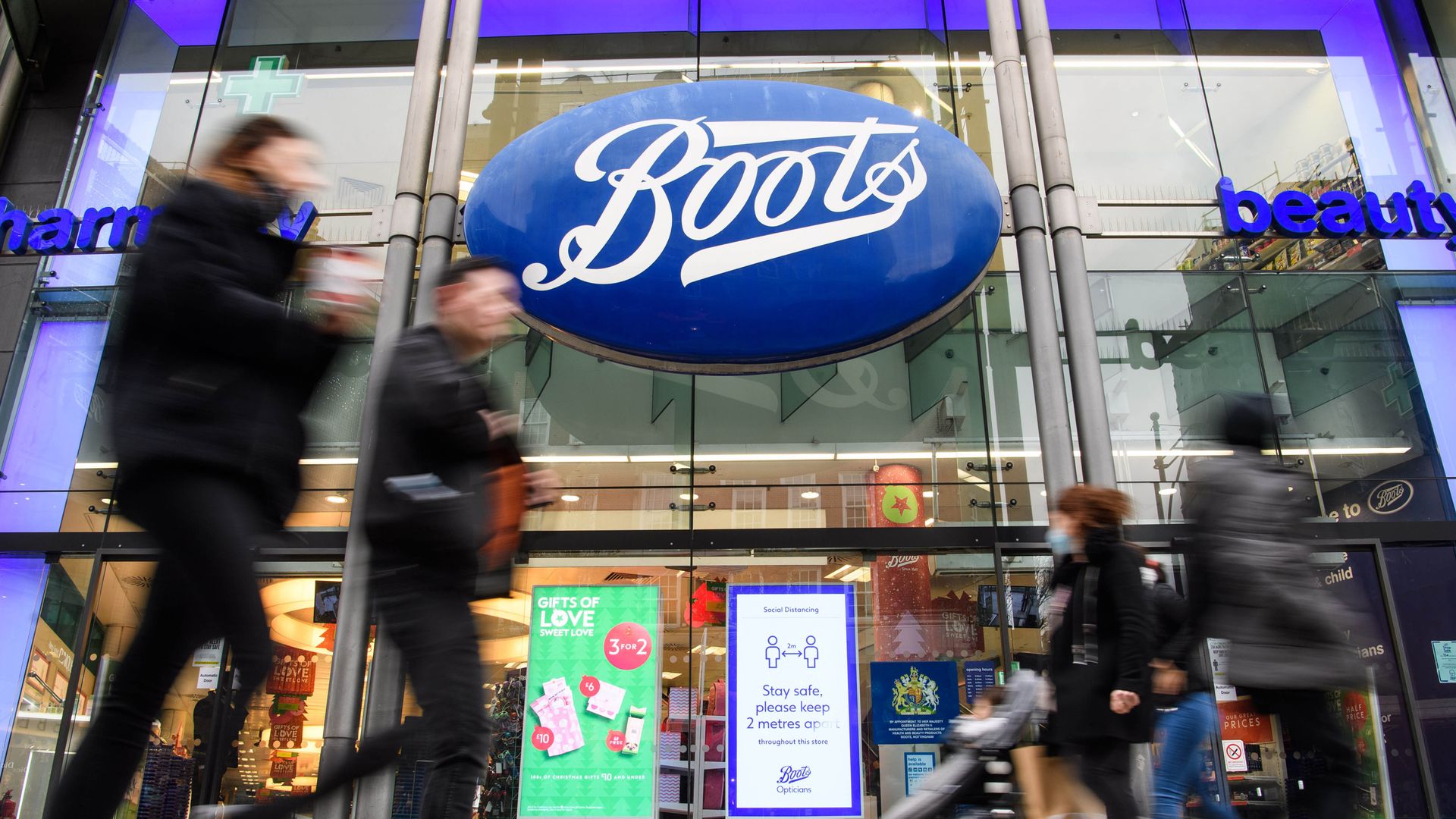
Capital allocation in legacy high street retail is governed by a singular operational constraint: the tension between heavy fixed-asset overhead and shifting consumer spend vectors. When the Weston family through Wittington Investments agreed to acquire the UK and Ireland operations of Boots for six point seven billion pounds from Sycamore Partners and the Pessina family, the transaction signaled more than a simple change of corporate control. It marked a strategic pivot in how high-density physical pharmacy assets are valued, capitalized, and operated in a post-pandemic retail ecosystem.
The Valuation Mechanics and Asset Perimeter
Evaluating a transaction of this magnitude requires decoupling the headline enterprise value from the underlying earnings power. The deal covers approximately eighteen hundred stores across the United Kingdom and the Republic of Ireland, alongside Boots Opticians, the No7 Beauty Company, and specific international operations including Thailand and franchised footprints.
Crucially, the sellers retained other international assets such as Farmacias Benavides and Alliance Healthcare Deutschland, illustrating a targeted carve-out rather than a whole-entity transfer. This structural separation allows the buyers to focus purely on core domestic high street dominance and high-margin proprietary beauty brands without digesting underperforming continental logistics operations.
In its preceding full-year reporting period, Boots generated approximately seven point five four billion pounds in revenue, representing a year-on-year top-line expansion of three point two percent. Digital channels surged by eighteen point three percent, pointing to a dual-engine growth model where physical click-and-collect nodes anchor digital fulfillment. At a six point seven billion pound valuation inclusive of assumed debt, the multiple sits at roughly zero point eight nine times trailing sales—a modest valuation that reflects the structural margin pressures facing traditional retail pharmacy networks, including government-funded National Health Service dispensing fee freezes and rising labor costs.
Operational Synergies and the Shoppers Drug Mart Playbook
The strategic rationale for the Weston family centers on cross-border operational competence. Through Loblaw Companies Limited, the Weston group already operates Canada’s largest pharmacy, health, and beauty retailer, Shoppers Drug Mart. This creates a direct conduit for operational transfer across three critical vectors:
- Pharmacy front-shop merchandising: Translating high-margin front-of-store cosmetics and wellness layouts from North American models to British high streets.
- Supply chain digitization: Deploying advanced inventory tracking and automated replenishment systems that optimize working capital across eighteen hundred distributed locations.
- Private label integration: Leveraging the manufacturing and brand equity of the No7 Beauty Company globally while scaling Canadian private-label health brands within UK outlets.
The operational challenge lies in market divergence. Canadian pharmacy retail frequently benefits from suburban strip-mall layouts with integrated parking, whereas the Boots estate relies heavily on urban high streets, transport hubs, and prime shopping centers exposed to fluctuating foot traffic and high business rates.
Margin Drivers and Product Mix Shifts
High street pharmacies have evolved from traditional dispensaries into hybrid beauty and wellness destinations. This shift is driven by margin preservation. Dispensing prescription drugs for the National Health Service yields tightly regulated, often stagnant margins, exposed to inflationary pressures on pharmacist salaries and operational overhead.
To counter this margin compression, Boots has leaned aggressively into two high-margin growth categories:
- Prestige and masstige beauty brands: The continuous onboarding of trending cosmetic lines designed to capture younger demographics who traditionally shopped online-only platforms.
- Clinical wellness and weight management services: Capitalizing on consumer demand for private healthcare services, including weight-loss injections and localized pharmacy first clinical consultations.
The success of the acquisition depends on the buyers' ability to expand these high-margin categories without alienating the core demographic relying on essential primary healthcare dispensing services.
Long-Term Capital Allocation Strategy
Private equity ownership cycles typically operate on a five-to-seven-year horizon focused on operational restructuring, cost rationalization, and multiple expansion before an exit via public listing or secondary buyout. Sycamore Partners held the asset for a relatively brief window following the breakup of Walgreens Boots Alliance, utilizing the period to stabilize cash flows and prune underperforming retail units.
By contrast, the Weston family holding structure implies generational, long-term capital deployment. This shifts the strategic imperative away from short-term EBITDA optimization and toward sustained capital expenditure. Upgrading the physical store estate, modernizing digital infrastructure, and committing to multi-year investments in staff retention—evidenced by concurrent bargaining unit pay settlements—require patient capital that public markets or short-term private equity funds rarely tolerate.
Deploy capital into integrated omnichannel infrastructure where digital prescription management directly drives physical footfall, while insulating retail margins via proprietary beauty manufacturing scale.